Research
Our research is designed to make a difference to current and future generations.
We seek to understand the influence of climate change on Antarctica, and the consequences of Antarctic change on the Earth system— for enhanced protection of unique polar environments, and improved projections of the impacts of changing climate on New Zealand and our world.
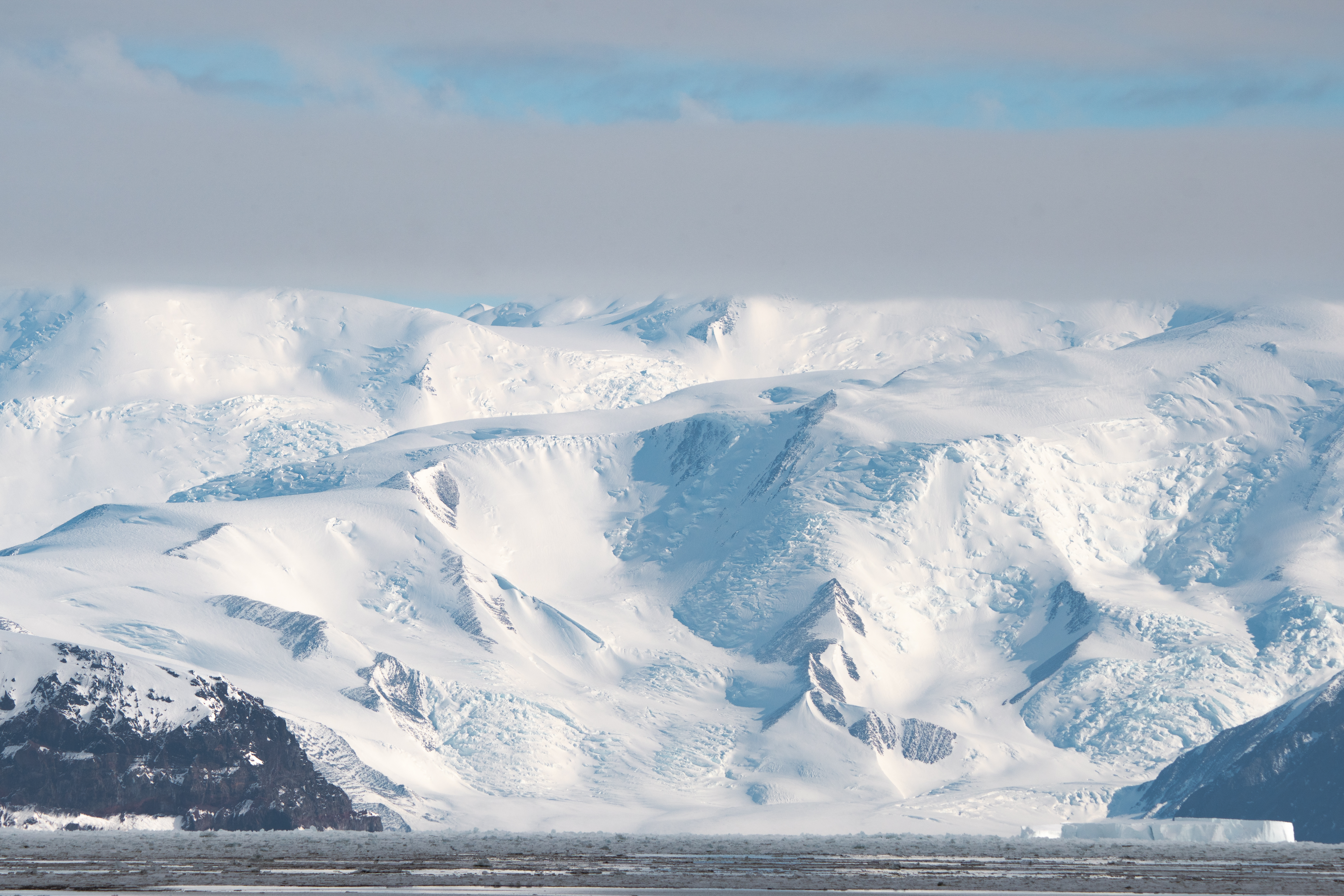
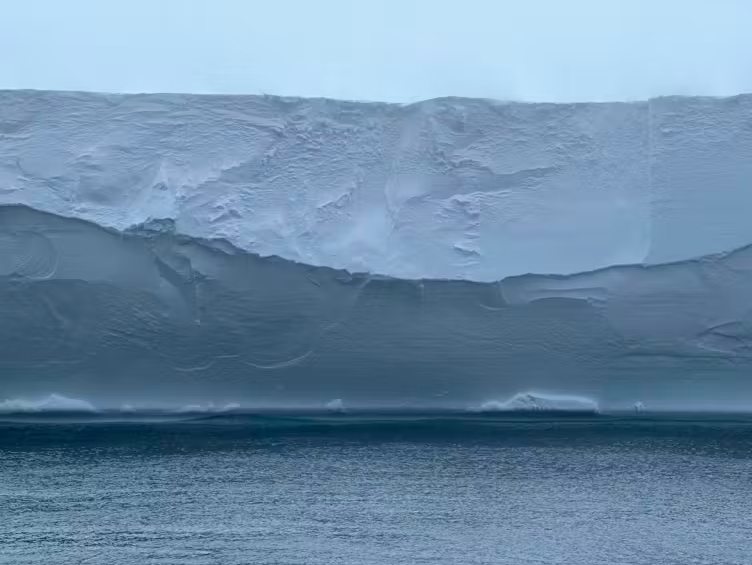
The Platform will achieve this through focusing its research on the Ross Sea region, which is home to world’s largest ice shelf, fed by both the East and West Antarctic ice sheets, and is critical to their stability. The amount and rate of sea level rise in the coming centuries depends on the response of Antarctica’s marine-based ice sheets, and specifically the West Antarctic Ice Sheet, to warming of the atmosphere and ocean.
The Ross Ice Shelf also super cools surface ocean waters, producing sea ice and dense, cold, salty Antarctic bottom water, which is critical for circulating heat through the global ocean. The circulation of the Southern Ocean also sustains global marine productivity by returning nutrient-rich deep water to the surface and exporting nutrients to lower latitudes. The Southern Ocean takes up more anthropogenic heat and carbon than oceans at other latitudes, helping to slow the pace of atmospheric warming, while accelerating melting of the West Antarctic Ice Sheet.
Given the profound influence of Antarctica and the Southern Ocean on sea level, climate, and marine ecosystems, change in the Ross Sea region will have widespread consequences for the Earth and humanity.
The Platform’s portfolio of long-term and seed projects focus on:
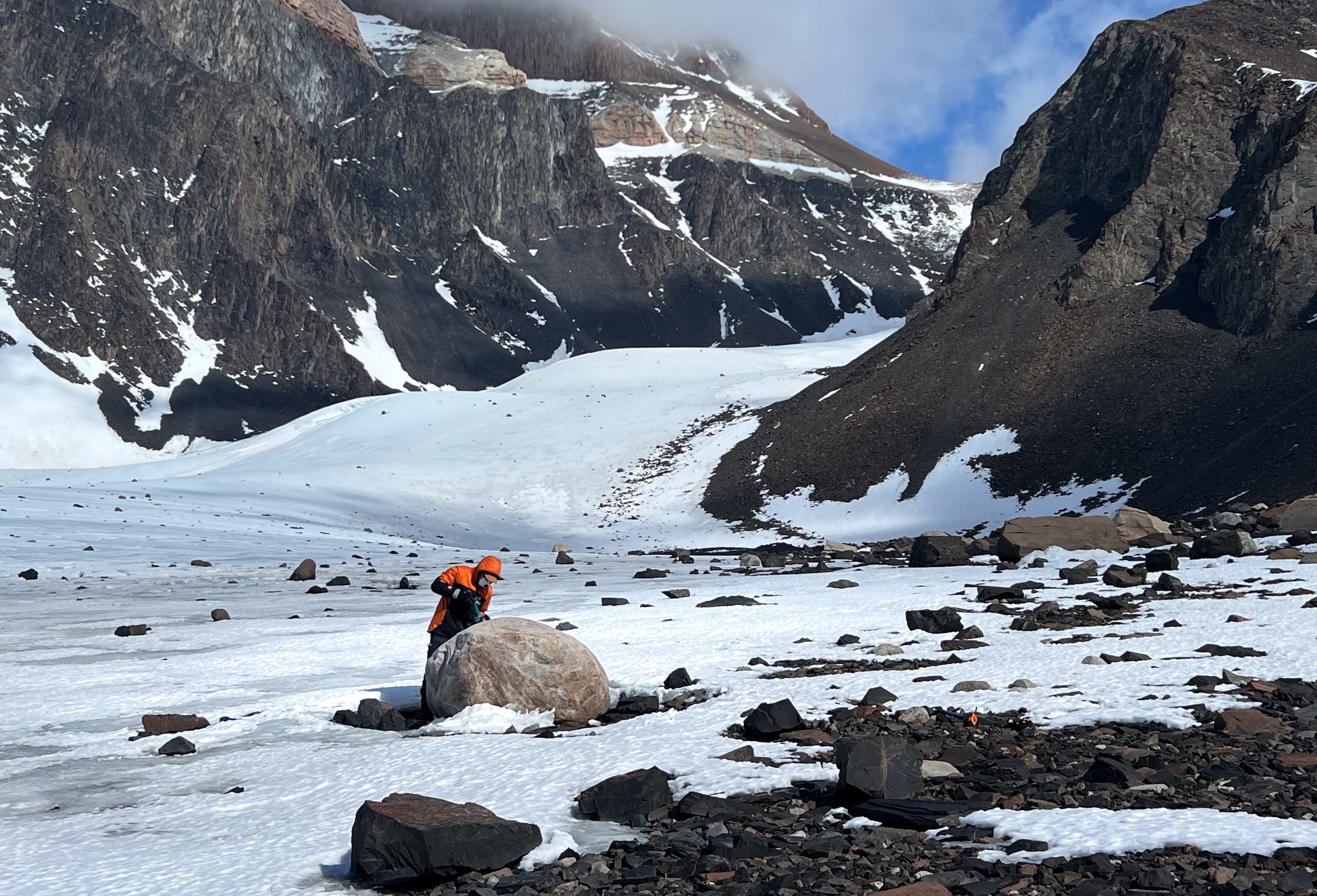
- Stability of the West Antarctic ice sheet and its impact on global sea levels
- Ross Sea Region ice, atmosphere and ocean processes in a warming world
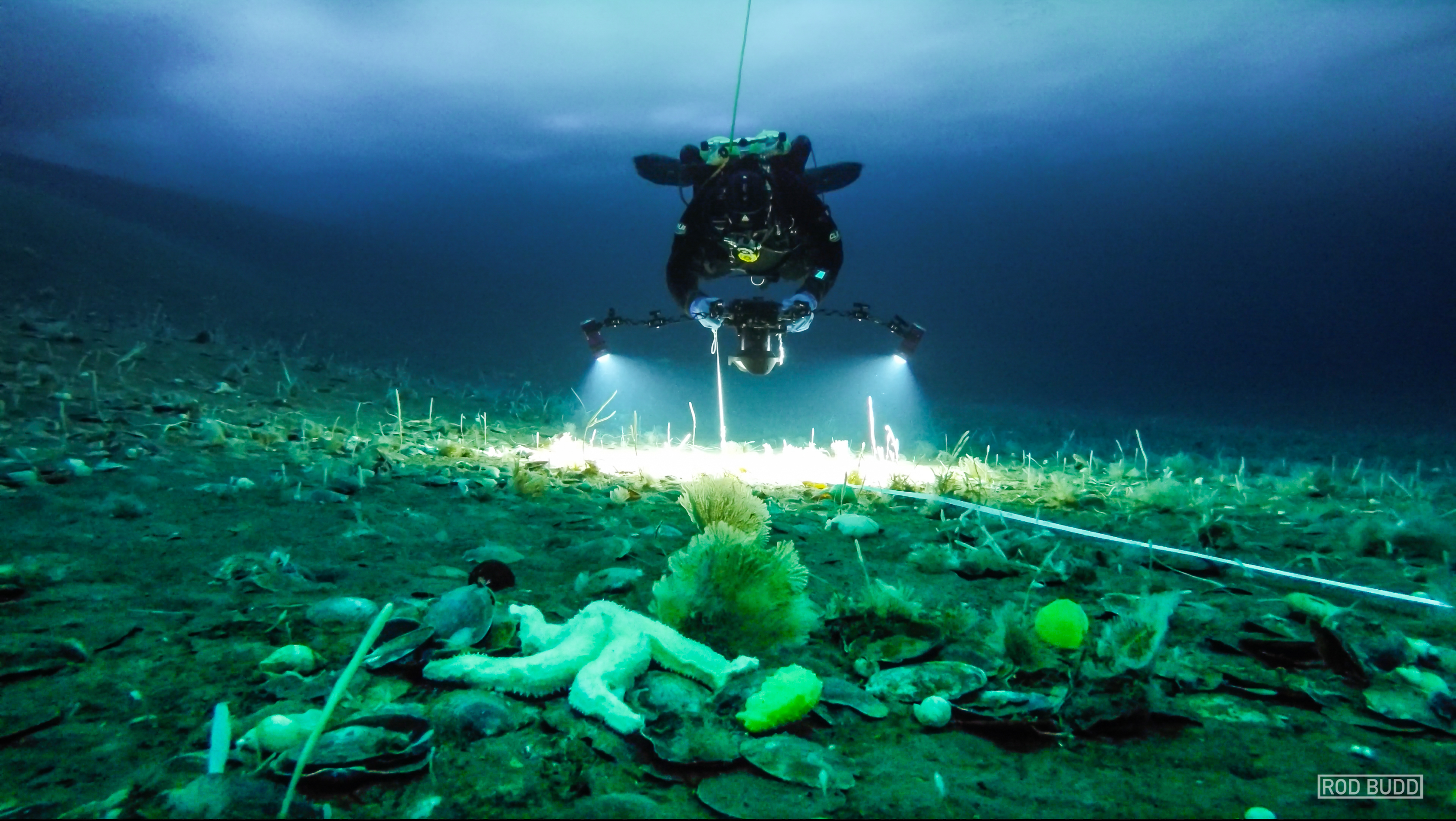
- Vulnerability of Ross Sea Region ecosystems to environmental change
Read Our Story to find out our history, and how the New Zealand science community developed this science programme in collaboration with national and international research and Antarctic programmes.
You can visit the Knowledge Hub for access to research publications and outputs and go to Updates to find out what we've been up to lately.