
Updates
Bringing you hot topics, from cold places
Discover the latest updates on our activities, team and research findings. You can browse, filter by category or type, or search by keywords.
Filter by Type:
Reset
Filter by Category:
Reset
- Astronomy
- Atmosphere
- Carbon Cycle
- Carbon Sink
- Climate Change
- Coastal Benthic Biota
- Conference
- cryosphere
- ecology
- Ecosystems
- Environmental threats
- Future Scenarios
- Ice Sheet/ Shelves
- Ice sheet/shelves
- Marine Ecosystems
- Mātauranga Māori
- Modelling
- Northern Victoria Land
- Oceans
- Opportunities
- Opportunity
- Past Climates
- People
- publications
- Ross Sea region MPA
- Ross Sea region MPA
- Science Policy Interface
- Sea Ice
- Sea level Rise
- Terrestrial Ecosystems
- Workshop
- • Future Scenarios
- • Mātauranga Māori
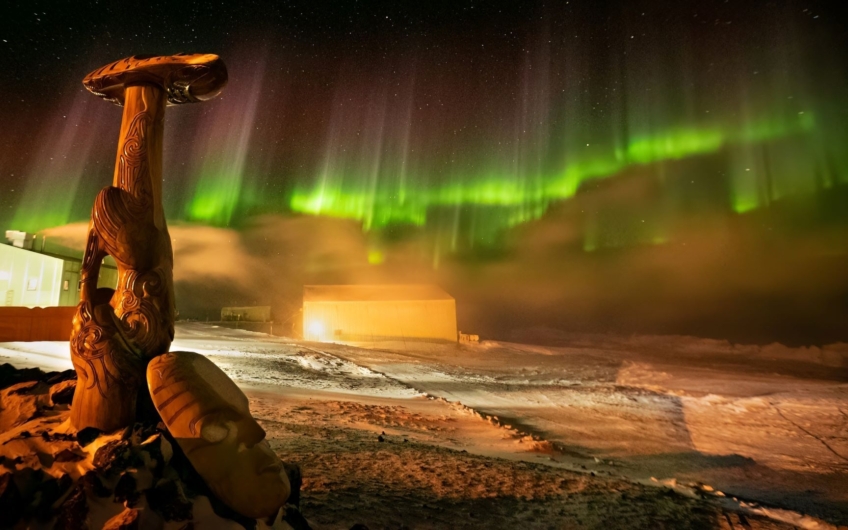
Mātauranga Māori in Antarctica
Date: 2026
Type: Case study
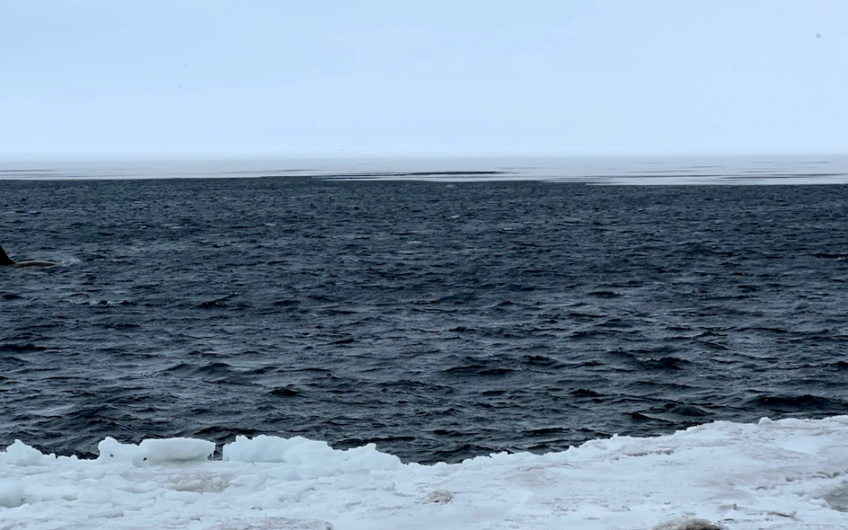
Evaluating the efficacy of the Ross Sea region MPA
Date: 2026
Type: Case study
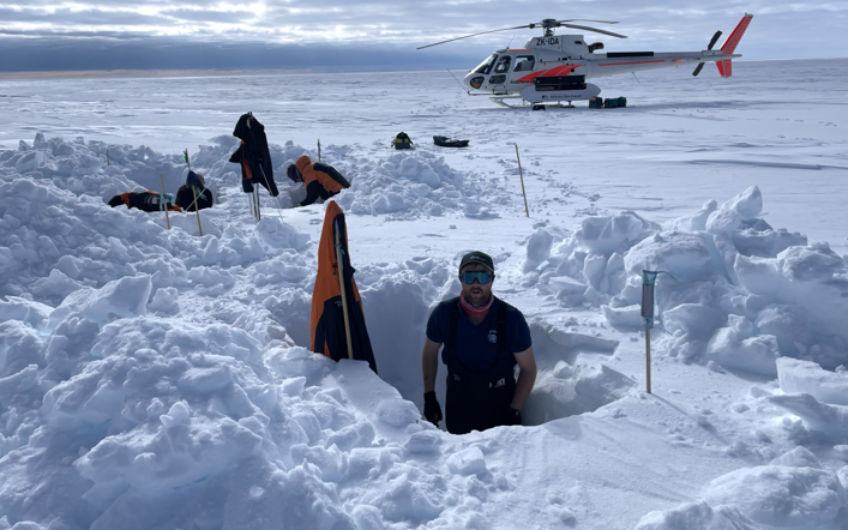
Remote monitoring of Ross Ice Shelf melting
Date: 2026
Type: Case study
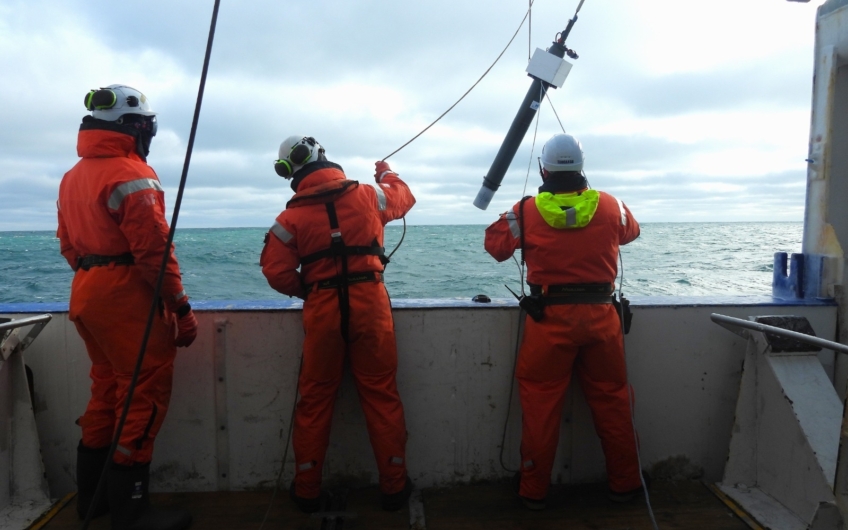
Antarctic Science Platform contributes to international monitoring of Southern Ocean function
Date: 2026
Type: Case study
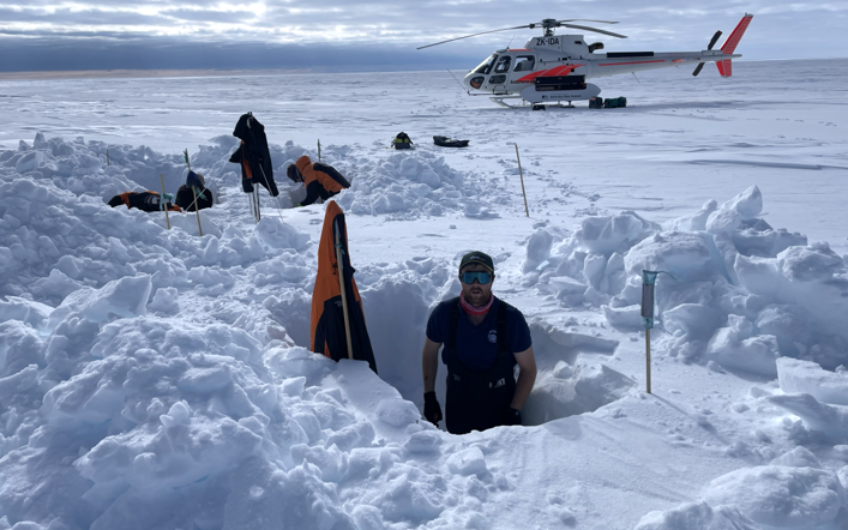
Remote sensing equipment gets an upgrade
Date: 2026
Type: Update
Summary: To monitor and be able to predict changes in the Antarctic environment, Aotearoa New Zealand runs a network of remote data collection sites. These enable us to gather environmental data year-round and build long-term data sets, while reducing the carbon footprint of researchers flying to and around Antarctica. Unfortunately, these monitoring stations are becoming increasingly difficult to support.
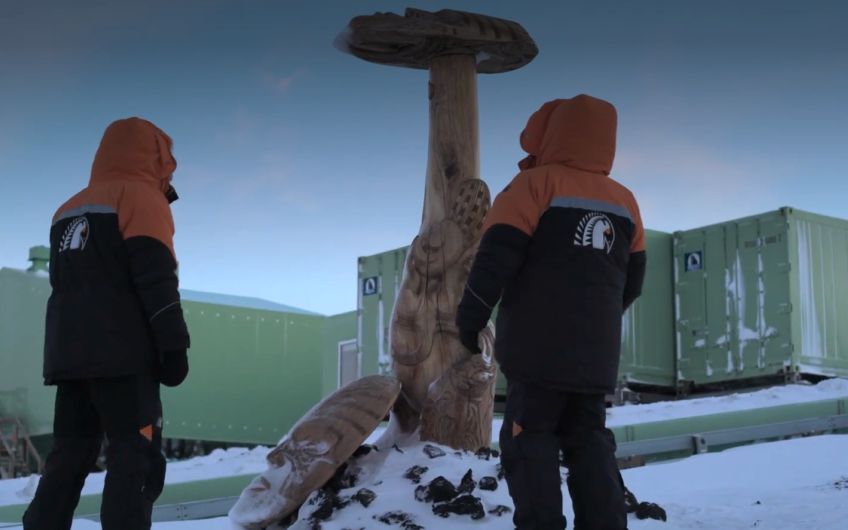
Flying south for the winter - K879A
Date: 2026
Type: Update
Summary: Antarctica New Zealand was proud to host Professor Rangi Matamua FRSNZ ONZM (Tūhoe; Massey University) and his mentee Mataia Keepa (Ngāti Rārua, Ngāti Maniapoto, Te Arawa), as they travelled to the ice during winter 2025 to study the Antarctic skies.
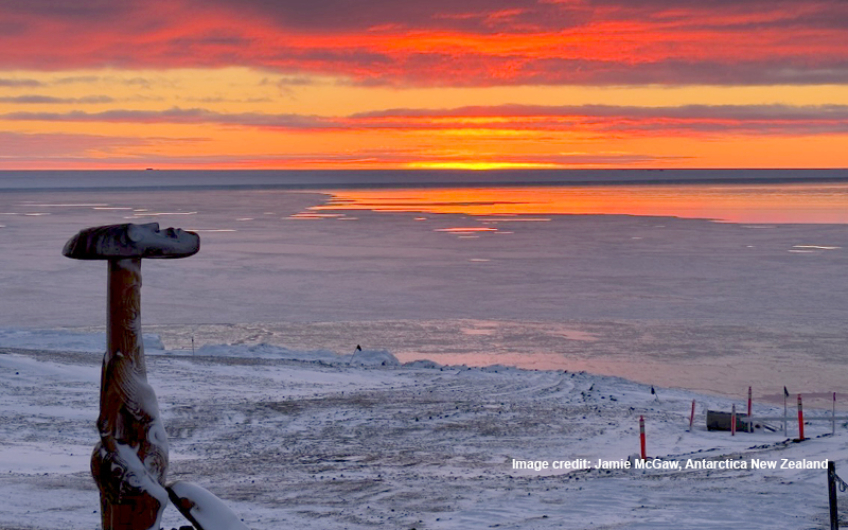
Creating space for kaupapa Māori
Date: 2026
Authors: Delane Luke - Kaiārahi Rangahau Māori
Summary: During the Cryosphere and Climate Open Science Forum, we were fortunate enough to hold our first Antarctic Science Platform Mātauranga Māori workshop.
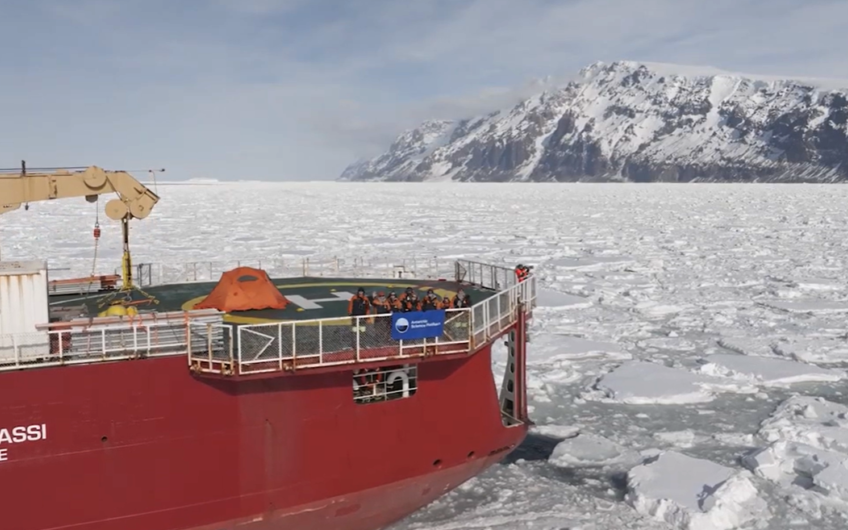
Science highlights from Ross Sea voyage
Date: 2026
Type: People
Summary: DOCUMENTARY VIDEO: Highlights from 2024 Ross Sea voyage
Archive
-
2026
- Mātauranga Māori in Antarctica
- Evaluating the efficacy of the Ross Sea region MPA
- Remote monitoring of Ross Ice Shelf melting
- Antarctic Science Platform contributes to international monitoring of Southern Ocean function
- Remote sensing equipment gets an upgrade
- Flying south for the winter - K879A
- Creating space for kaupapa Māori
- Science highlights from Ross Sea voyage
- Postcard from the edge: RV Aaron voyage report
- SWAIS2C: Record-breaking sediment core provides unprecedented evidence of West Antarctic Ice Sheet retreat
- Climate and Cryosphere (CliC) Open Science Conference
- World's cryosphere scientists gather in Wellington
-
2025
- SWAIS2C: Mission for ancient climate clues beneath 500m of Antarctic ice gets underway
- Antarctic methane discoveries skyrocket
- Case Study: Ecological data support terrestrial Antarctic conservation and management
- Case Study: New baseline distribution model—a tool to predict responses of foundational terrestrial organisms to climate change
- Case Study: Enhancing mātauranga Māori and Māori participation in Antarctic science
- Case study: International drilling programme improves accuracy of projections for Antarctic ice loss and sea level rise
- Te Tiri o te Moana, Te Tiri o te Tangata
- A new chapter for the Antarctic Science Platform
- Antarctic climate mission extended to 14 years
- Exploration of changing sea ice set for 2025
- Antarctic researchers awarded funds to foster New Zealand and Australian collaboration
- Call for Expressions of Interest: Māori Research Leader
- Tangaroa voyage 2025
- Navigating the ice: Antarctica in a changing climate
- First-of-its-kind study: How Antarctica’s melting ice sheet could change NZ’s climate patterns
- Antarctic research voyage departs Wellington for the Ross Sea
-
2024
- Fund to foster New Zealand and Australian collaboration
- International team launch second attempt to drill deep for Antarctic climate clues
- Field events: October 2024
- National Modelling Hub: Building skills and collaborations for Antarctic science
- New research finds significant warming of Ross Sea region
- Growing mātauranga Māori research
- Case study: Enhanced data sharing capability for Antarctica and the Southern Ocean
- Case study: Biological data informs Ross Sea marine ecosystem management
- Case study: Developing the next generation of Antarctic and Southern Ocean researchers
- Case study: Scaling up vessel-based research in the Ross Sea
- SCAR 2024: HAUWAI-20 autonomous biological sampler
- Patrick Gower brings Antarctic science to New Zealand screens
- Airborne snow measurements over pack ice
- Validating drivers for meltwater generation models and regional climate variability
- Establishing sentinel sites for terrestrial Antarctic biology
- GNSS data tracks speed of Ross Ice Shelf movement
- Sampling different parts of the Antarctic food web
- Expressions of Interest open: Kaiārahi Rangahau Māori (Research Navigator Māori)
- Sustained ocean cooling insufficient to reverse sea level rise from Antarctica
- Monitoring melting of the Ross Ice Shelf using radar
- SWAIS2C core workshop offers first glimpse of sediment from below Ross Ice Shelf
- Highlights from the desk of an accidental science 'diplomat'
- Co-designing the future of the Antarctic Science Platform
- West Antarctica’s ice sheet was smaller thousands of years ago – here’s why this matters today
- Antarctica's sea ice hit another low this year – understanding how ocean warming is driving the loss is key
- Platelet ice sampling system: the first deployment
- Podcast: The sea ice factories of Antarctica
- Antarctic science-policy knowledge exchange practices in New Zealand
- Tribute to Professor Craig Cary
- Antarctica's coasts are becoming less icy
- Signs found of worryingly fast Antarctic ice melt
- New Zealand scientists return from Antarctica's ice with information that could shape future climate policy
- Ross Sea Voyage Update #12: Crossing the Antarctic Circumpolar Current
- Ross Sea Voyage Update #11: Robertson Bay
- Ross Sea Voyage Update #10: Sea ice, sunsets and science
- Ross Sea Voyage Update #9: Sheltering in sea ice
- Voyage to solve the mystery of Antarctica’s plummeting sea ice
- Ross Sea Voyage Update #8: Along the continental shelf break
- Ross Sea Voyage Update #7: Cape Colbeck & King Edward VII Land
- Ross Sea Voyage Update #6: The Bay of Whales
- Ross Sea Voyage Update #5: Traversing the Ross Ice Shelf
- SWAIS2C project ‘tantalisingly close’ to vital climate secrets
- Sea-ice trackers: Using GPS and Iridium satellites to follow sea ice break-out events
- New leaders to shape Antarctic Science Platform’s future
- Ross Sea Voyage Update #4: Katabatic winds
- Ross Sea Voyage Update #3: Terra Nova Bay
- Measuring Antarctic warming with moss
- Ross Sea Voyage Update #2: Crossing the Line
- Ross Sea Voyage Update #1: Leaving Lyttelton
-
2023
- Rock Clocks: Using cosmogenic nuclides to reconstruct past ice sheet change
- Geophysical exploration at Discovery Deep
- Highlights from Antarctic ice dynamics research 2022/23
- Highlights from Antarctic ocean mechanics research 2022/23
- Highlights from ecosystems research 2022/23
- Highlights from sea ice and carbon cycle feedback research 2022/23
- We landed a camera on Venus before seeing parts of our own oceans – it’s time to ramp up observations closer to home
- Sea ice scientists call for urgent emissions reductions to keep our climate liveable
- New reconstructions of past ice sheet dynamics
- As Antarctic sea ice continues its dramatic decline, we need more measurements and much better models to predict its future
- Sea ice emergency summit
- Antarctic Science Platform Deputy Director
- Māori Doctoral PhD Scholarship, University of Otago
- SWAIS2C: A search for answers about ice sheet collapse
- Deploying soil sensors in Taylor Valley
- Thermal bird survey of surface environments in the Taylor Valley
- Ant-ART-ica: Using art to communicate Antarctic research
- Steering Group Deputy Chair
- Urgency of Southern Ocean research
- Concerned scientists call for immediate climate action
- Case study: New Antarctic Ice Sheet data contributes to policy and planning
- Case study: Detecting polynya from space
- Case study: Filter-feeding sponges as eDNA traps to monitor marine biodiversity baselines and change
- Case study: First fully coupled ocean-atmosphere model for the Ross Sea
- Future sea level rise in Aotearoa and Antarctica
- Friis Hills drilling project: New findings
- Antarctic Science Platform in the news 2022/23
- Under thinning ice at Lake Fryxell
- Antarctic tipping points: The irreversible changes to come if we fail to keep warming below 2℃
- Cold Call: Edition Six
- New map unlocks deep digital data of Antarctica’s history
- Why is Antarctic sea ice so hard to model?
- Sea ice and ecosystems
- The connections between sea ice and climate
- Sea ice and ocean circulation
- Record low Antarctic sea ice is another alarming sign the ocean’s role as climate regulator is changing
- Tangaroa voyage 2023: Land-sea connectivity in the Ross Sea coastal environment
- Massive cavern beneath West Antarctic glacier teeming with life
- How to recover a mooring from under the sea ice
- Why is Antarctic sea ice melting?
- Tangaroa voyage 2023: Northern Victoria Land's coastal marine life
- Tangaroa voyage 2023: Phytoplankton in the Ross Sea
- Passing the baton: Farewell and thanks to Huw Horgan, welcome Dan Lowry
- MBIE’s mid-term review of the Antarctic Science Platform
- Rapid response to protect penguins from bird flu
- I am a polar oceanographer – this is what I do
- Receiving messages from the deep
- February Update
- Cold Call: Edition Five
- January Update
- SWAIS2C: Kiwi scientists involved in drill to uncover secrets of Antarctica's past
- Tangaroa voyage 2023: Researchers to unveil Antarctic secrets
-
2022
- December Update
- Independent Science Panel's review of the Platform
- Climate change & international diplomacy in Antarctica
- Survival of emperors depends on emissions reductions
- Fresh understanding of ice age frequency
- November Update
- Richard Levy honoured with a BLAKE Award
- Scientists chart 45 million years of Antarctic temperature change
- Robots race against climate change on seafloor
- Case Study: Scientific advice to international Antarctic Treaty meetings
- Case Study: International cooperation and ocean monitoring in the Ross Sea
- Case Study: Bespoke technology is advancing Antarctic research
- Case Study: Machine learning-assisted meta-analysis of biological research in Antarctica
- Sharing Antarctic Science Platform knowledge
- Highlights from sea ice and carbon cycle feedback research 2021/22
- Highlights from ocean mechanics research 2021/22
- Highlights from Antarctic ice dynamics research 2021/22
- Highlights from ecosystems’ research 2021/22
- Three new professors announced
- Tropical thunderstorms affect Antarctic melting
- Antarctic Science Platform in the News 2021/22
- June Update
- ‘Hidden world’ of marine life discovered in Antarctic ‘river’ under ice
- A map of the future
- Honour for decades of Antarctic research
- The search for answers in the ice
- Antarctica: coming to a postcode near you
- Cold Call: Edition Four
- Predicting sea level rise for Aotearoa New Zealand
- April Update
- Changes in the Ross Sea and the future of carbon storage
- The Southern Ocean carbon sink: Will it fill up?
- What's going on with Antarctica's weather?
- March Update
- On the Precipice: the climate change target humanity cannot afford to miss
- February Update
- Exploring Antarctica’s hidden under-ice rivers and their role in future sea-level rise
- SCAR early career researcher fellowships
- January Update
- Microbe communities discovered under Antarctica’s Ross Ice Shelf
-
2021
- The Bird that measures Antarctic ice
- Cabinet approves new plan for Antarctic and Southern Ocean research
- November Update
- 'Making a difference': Antarctic researchers honoured
- Drilling into Antarctica’s past to see our future
- Searching for answers: Supercooled crystals and fast ice
- Cold Call: Edition Three
- Antarctic science underpins urgency for climate action
- COP26, the IPCC Report and Antarctic Research
- Study reveals climate choices we make in coming decades are make or break – but we won’t see their impact in Antarctica this century
- New ice drilling technology developed in Wellington on its way to Antarctica
- Future of Antarctic plankton linked to sea ice, study shows
- ICSHMO 2022 Call for Abstracts
- Sea Ice Mass Balance Station install 2021
- Cold Call: Edition Two
- Case Study: ASP researchers contribute the IPCC Assessment Report 6
- Case Study: The 2021 ReLiCC voyage of the RV Tangaroa: contributions to the strategic intent of the Antarctic Science Platform
- Platelet Ice: A Unique and Fragile Antarctic Ecosystem
- Antarctic Research and New Zealand’s Climate Future
- The Changing Antarctic and Southern Ocean and Pathway to Policy
- July Update
- Spying on seals from space
- Contestable Funding Round “life changing” for early career researcher
- Past is prologue – Antarctica in a warming world
- Antarctica records its highest ever temperature
- June Update
- May Update
- April Update
- World can expect 50cm sea-level rise by 2100, even if warming stays under 2°C
- ECR - Olivia Truax Fullbright presentation
- Budget 2021: Scott Base investment 'welcome news'
- The science behind remotely navigating a safe route across a crevassed ice shelf
- Have we taken control of Earth’s natural climate cycles?
- New research identifies potential tipping points for irreversible loss of the West Antarctic Ice sheet (WAIS) in the Amundsen Sea region
- March Update
- February Update
- Scientists accidentally discover life deep underneath Antarctic ice shelf
- More plants could begin to 'invade the Antarctic Peninsula' as the frozen continent warms
- Antarctica could be greener and home to new wildlife, major study of the continent's future finds
- What the future could hold for Antarctica’s unique ecosystems
- January update
- Tangaroa Voyage 2021: Climate monitoring at key Antarctic ocean gateways
- Kiwi research team first to use planes to measure Antarctic sea ice
- Bird's Icy View
-
2020
- December Update
- Change on ice
- 'People say summer is early — that would never happen in a Māori world view' - Stuff
- Climate emergency chance to use evidence-based solutions
- Antarctic scientists support climate emergency
- Cold Call: Edition One
- Official Modelling Hub Opening and Antarctic Science Platform Conference
- Cold Call: Edition One
- Ka pai Caroline
- November Update
- Scott Base staff continue Antarctic scientific project with coaching from New Zealand-based experts
- Icy science, but without the scientists on ice
- A modelling milestone
- Policy implications of Antarctic ice sheet melting and global sea-level research
- A Greener Antarctica
- A Climate Crisis Opportunity?
- October Update
- Welcome to our Antarctic whanau Dr Dan
- PhD Scholarship - Machine learning for uncertainties of past ice-volume changes
- September Update
- Introducing our modelling fellows
- Supercomputers and super cool science
- August Update
- Antarctica's ICEperts - Drilling through the world’s largest ice shelf for a glimpse into the future
- Antarctica's ICEperts - Forays into Frozen Oceans
- New Board members for Antarctica New Zealand
- Case Study: Development of a National Capability for Improving Antarctic Environmental Projections for Evidence-based Decision Making
- Antarctica's ICEperts - Diving in Antarctica
- Ice-olation for Antarctica New Zealand
- Case Study: Development of an international scientific drilling consortium to understand “Stability of the West Antarctic Ice Sheet in a 2°C warmer world” (SWAIS-2C Initiative)
- July Update
- The Warming South Pole
- Kāhui Māori to protect and guide Antarctic as well as climate adaptation research
- Antarctica's ICEperts - a webinar series
- June Update
- Congratulations to the Melting Ice and Rising Seas team
- COVID-19 Impacts Antarctic Field Season
- May Update
- Emotive new documentary episode highlights Antarctica’s global role in sea level rise
- Antarctica New Zealand COVID-19 response update
- April Update
- Two new PhD opportunities with Project Three
- Antarctica New Zealand Update
- Update from the ice
- Antarctica New Zealand COVID-19 response
- Remembering an Antarctic legend
- PhD Scholarship: Distribution modelling of Antarctic species
- From the 2019-2020 Field Season
- PhD Scholarship: Extracting and compiling knowledge of biology across the Ross Sea Region
- Drilling for icy answers
- Field Update - Project 4 - McMurdo Sound
- Field Update - Project 3 - Dry Valleys
- Field Update - Proejct 1 - Ross Ice Shelf
- Field Update - Project 1 - Byrd Glacier
- Field Update - Project 1 - Siple Coast
-
2019
- Our new rock-star Professor
- Tsunami report for Scott Base
- Antarctica to London
- Scott Base remembers
- Ten million dollar plan
- Marsden success for Antarctic science projects
- Contestable funding recipients announced
- Welcome Tim Naish
- NIWA PhD Scholarship
- Marvellous modelling
- 60 years of the Antarctic Treaty
- Spotlight on Antarctic science
- Climate secrets buried deep beneath the Southern Ocean
- Millions of dollars for Antarctic research
- Applications open for four three-year research fellowships
- New Chief Executive for Antarctica New Zealand
- Sun sets on another science season
- Youthfull toothfish abound
- Antarctica Unfrozen, a podcast series
- Diving to new depths for Antarctic science
- Congratulations Professor James Renwick
- In memory of Professor David Walton
- Bombs away in Terra Nova Bay
- Sir Ed's temperate legacy
- Antarctic stars in their eyes
-
2018