Science highlights from Ross Sea voyage
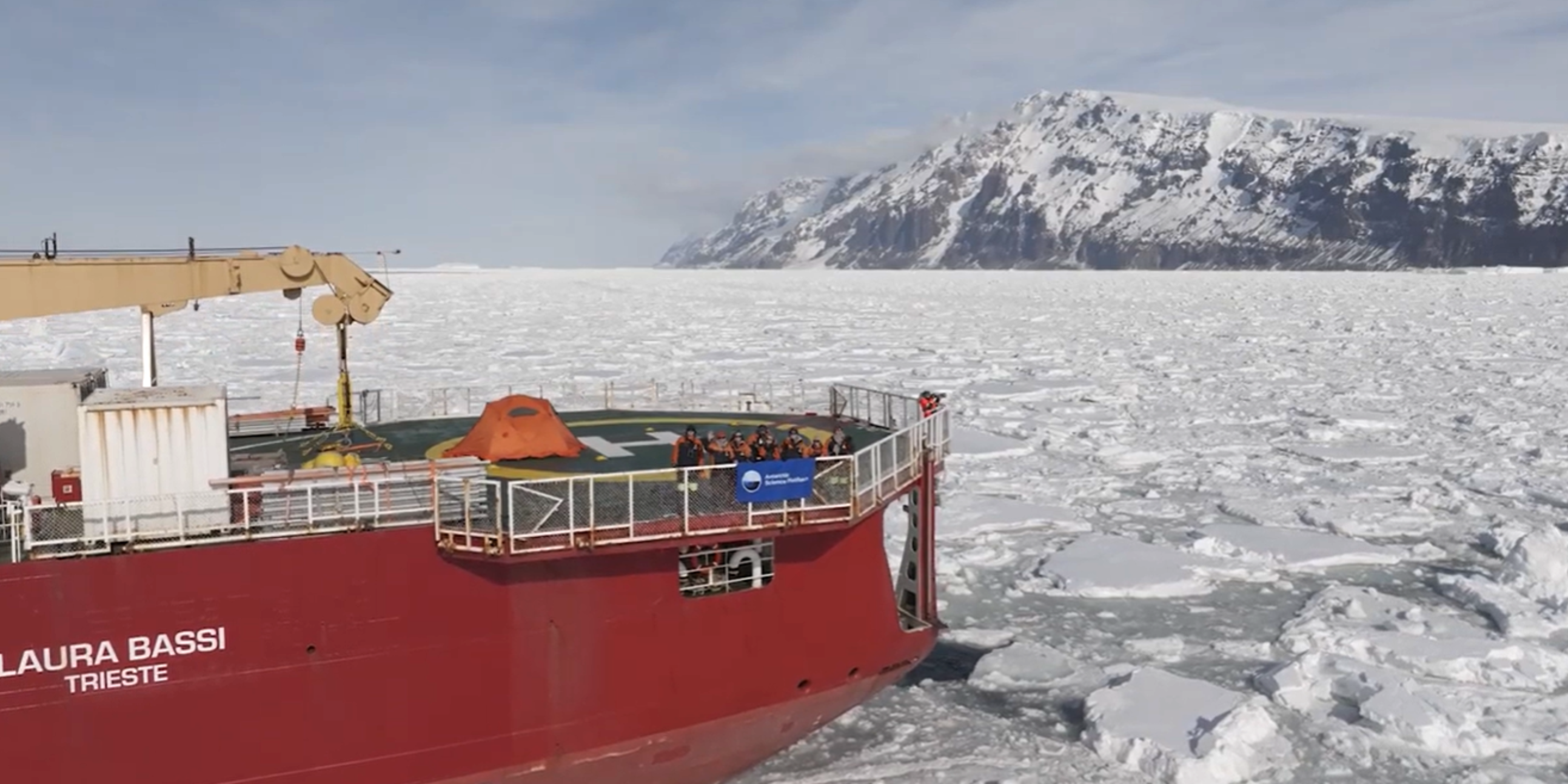
Voyage to the Ross Sea, Antarctica – monitoring a rapidly changing environment is a new short documentary following scientists aboard the Italian icebreaker R/V Laura Bassi during an Antarctic research expedition in early 2024.
Filmed as part of Italy’s 39th Antarctic scientific campaign, and in collaboration with the Antarctic Science Platform, the documentary provides a behind-the-scenes look at climate and ocean research taking place in the Ross Sea — one of the most environmentally significant and rapidly changing regions of Antarctica.
The documentary showcases how scientists are working to better understand how Antarctica is responding to climate change, and how these changes may influence global ocean circulation, sea ice formation, ecosystems, and future climate patterns.
As Antarctic Science Platform Director, Natalie Robinson, states in the documentary:
This voyage to Antarctica’s Ross Sea provided an opportunity for early career researchers (post-PhD) and postgraduate students to participate, supported by MAC3 Impact Philanthropies. This support aimed to catalyse their Antarctic research careers, focusing on urgent, important research questions, and also to show the next generation how critical science can also be adventurous and exciting.
Visit this webpage to read more about the voyage, the participants, and the reports back from the ship.
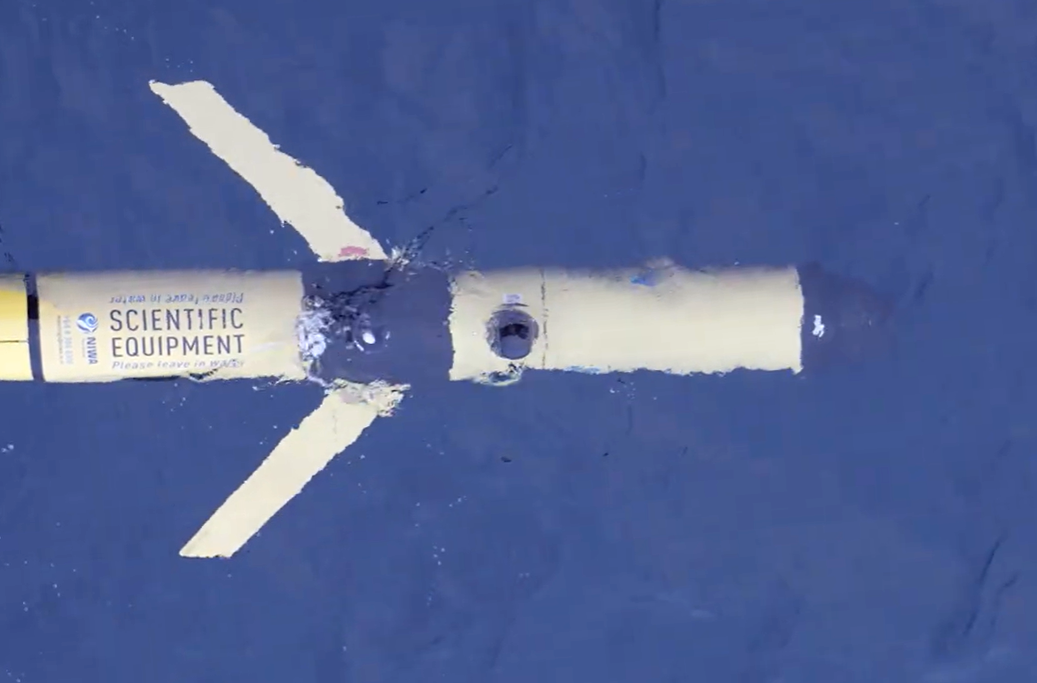
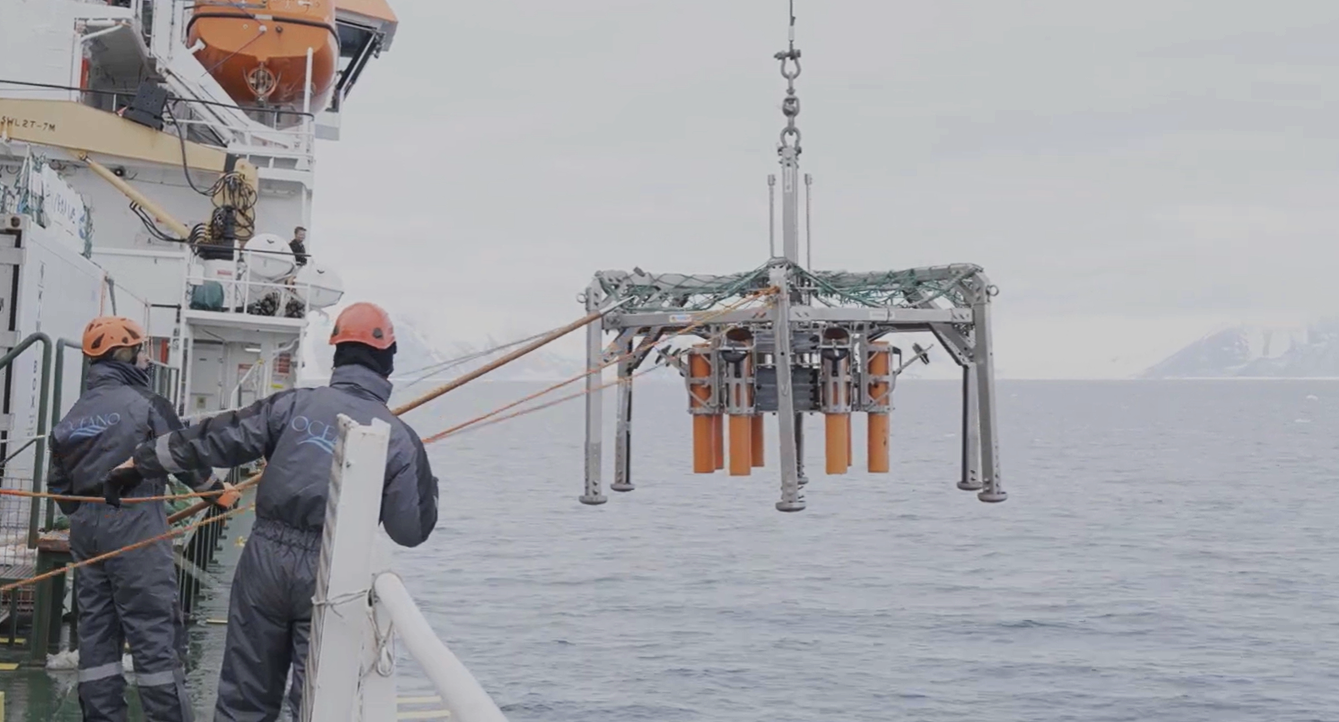
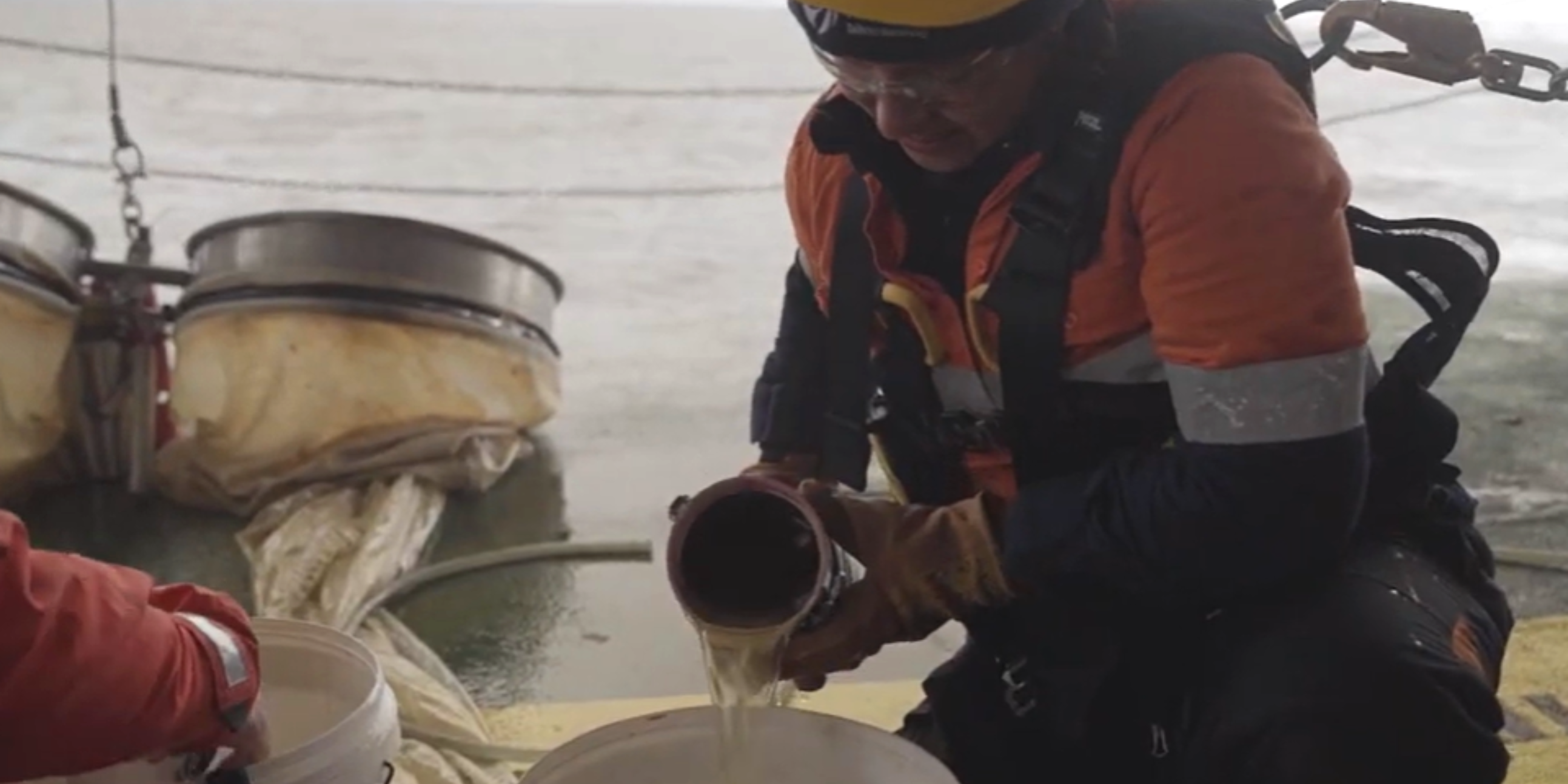
The key science objectives of the MAC3 Antarctic Fellows in this expedition was to measure critical parameters of the marginal sea ice zone, the Ross Sea Polynya, a major sea‑ice production region, and the waters adjacent to the Ross Ice Shelf. The RV Laura Bassi team gathered physical and biological samples across key ocean currents and ecological habitats within the Ross Sea region Marine Protected Area. These efforts are designed to better understand how variability in ocean temperature, salinity, mixing processes, and nutrient availability influences ecosystem structure, function, and overall health as well as its impacts on ice shelf stability and the global carbon and heat budgets.
All text and images courtesy of Te Herenga Waka - Victoria University of Wellington.