
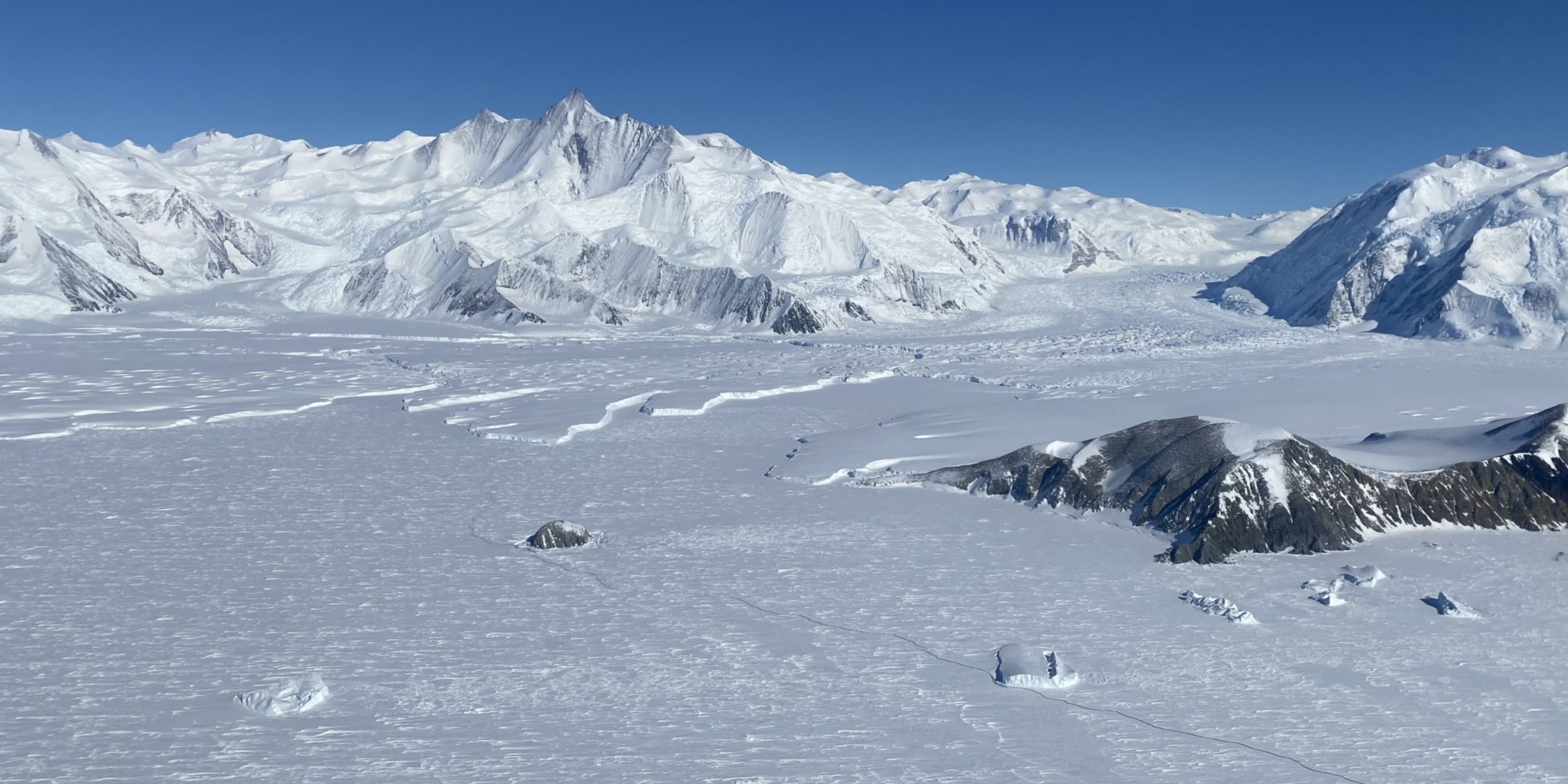
World's cryosphere scientists gather in Wellington
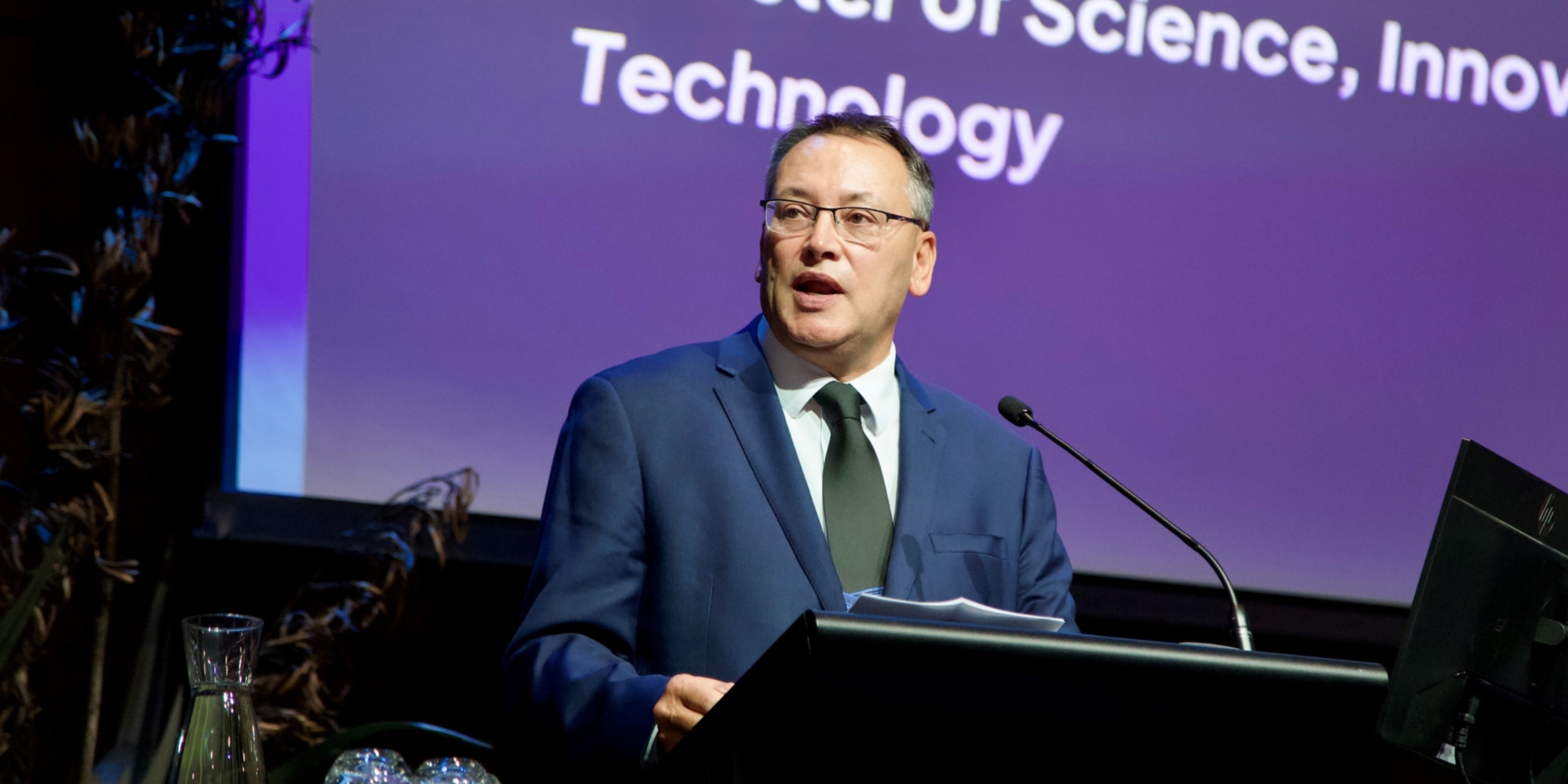
Antarctic Science Platform researchers are among climate scientists gathering in Wellington this week to discuss how climate change-induced ice melt could accelerate sea-level rise, increase flooding, and cause more intense storms in Aotearoa and across the globe. About 400 delegates from 37 countries are attending the international Climate and Cryosphere Open Science Conference at the Tākina Convention Centre. Science, Innovation and Technology Minister Dr Shane Reti stopped in to share news about additional funding for Antarctic technology.
In opening the conference on Monday, Minister Reti told delegates that the conference came at a pivotal time, given the growing risks from floods, storms and other natural hazards. Changes in Antarctic ice sheets influenced sea levels, storm behaviour and long-term risk.
“Advances in cryosphere research are sharpening our understanding of the climate system, particularly in the Southern Hemisphere, while new technologies are transforming what researchers can observe, measure and model,” Dr Reti said.
New funding for Antarctic science
The Minister announced a new partnership between New Zealand researchers and a leading United Arab Emirates university that will strengthen New Zealand’s advanced engineering and modelling capability in Antarctica—the second newly-funded international Antarctic science collaborations to in be announced just over 60 days.
The latest partnership will initially support two Antarctic Science Platform projects focused on improving sea-ice forecasting and deploying advanced autonomous systems to better understand ice shelf melt and ocean circulation.
New Zealand will invest $1 million in the projects, following a Memorandum of Arrangement between Khalifa University and Antarctica New Zealand.
The Antarctic Science Platform will lead a targeted contestable process to identify New Zealand research teams.
- Read the Beehive media release: NZ-UAE partnership boosts advanced tech capability | Beehive.govt.nz
- Read the Minister’s speech in full: Speech to the Climate and the Cryosphere Open Science Conference and Antarctic Science Platform announcement | Beehive.govt.nz
Urgency for ice and snow
The Climate and Cryosphere Open Science Conference 2026 conference is sponsored by the World Climate Research Programme’s Climate and Cryosphere (CliC) Project which co-ordinates and supports the most critical science needed to understand our changing cryosphere. It also delivers evidence-based information for policy and decision-making to mitigate ice loss and help society adapt to impacts that are now unavoidable.
Prof Tim Naish, Wellington-based researcher and Chair of the World Climate Research Programme, said warming temperatures would likely melt two-thirds of Aotearoa New Zealand's glacier ice by 2100, placing ever increasing pressure on our freshwater resources. Meanwhile, predicted sea level rise of 1m by the end of the century would put many thousands of people at risk, as well as billions of dollars in homes, marae, buildings and infrastructure. Disappearing Antarctic ice was changing ocean circulation patterns and would likely bring bigger storms to the country.
The conference brings together researchers, practitioners, educators and stakeholders to learn from one another, identify knowledge gaps and address emerging challenges.
The Antarctic Science Platform is a conference sponsor and delegates are warmly invited to visit its exhibition booth.
Panel discussion: Impending Crises in the Cryosphere – public welcome!
Antarctic Science Platform director Dr Natalie Robinson invites Wellingtonian's to learn more from the scientists visiting their city. The Platform is hosting a public session on Thursday, where a panel of world-leading climate scientists will discuss what we are in for, what can still be done, and how we can adapt to the impending crisis in Earth’s cryosphere.
Following presentations, the public will be able to participate in a Q&A facilitated by Radio New Zealand’s Kate Newton.
The event is free but people need to register.
• Thursday, 12 February 7–8.30pm at Rutherford House, Wellington
• Register for this free event here