
Modelling Capability and Development Hoe
- Phase One
- Project 1: Ice Dynamics
- Project 2: Antarctic Ocean Mechanics
- Project 3: Ecosystems
- Project 4: Feedbacks
- National Modelling Hub
- SWAIS2C
- Ross Sea Voyage 2024
- Opportunity Projects
- Phase Two
- Tiaki Moana – Marine System
- Tiaki Whenua – Terrestrial System
- Mesopredators Research Hoe
- Ice Shelf Cavity Hoe
- Modelling Capability & Development Hoe
- Tipuranga: Mātauranga Māori Research Hoe
- Protected Areas Hoe
The Modelling Capability and Development Hoe is hosting high-risk research and development work that will build new capability in New Zealand, without impeding the progress of fundamental science.
Lead: Nicholas Golledge
Why this research and what are we doing?
Big science involves big risks, but stakeholders need tangible results and meaningful outcomes. Separating the risky parts of exploratory research from operational science enables both to be possible.
Our team of experts are each taking on one critical area of cutting-edge research: artificial intelligence, complex systems, and model coupling. We are applying these methodologies to projects throughout the Antarctic Science Platform, such as predicting the future evolution of sea ice and the complex interactions of Mesopredators in the Ross Sea.
We are guiding and informing the objectives with the latest global developments, and shaping them according to the needs of our local user community. By connecting to both Tiaki, as well as the other Hoe, this programme is embedded in the overarching ASP structure.
By the end of ASP Phase 2 (2032), our research will have pioneered new ways of turning field measurements into globally relevant projections that have a demonstrable impact in decision-making and policy arenas.
Objective 1: Data Science and Artificial Intelligence
Research lead: Peter Siew
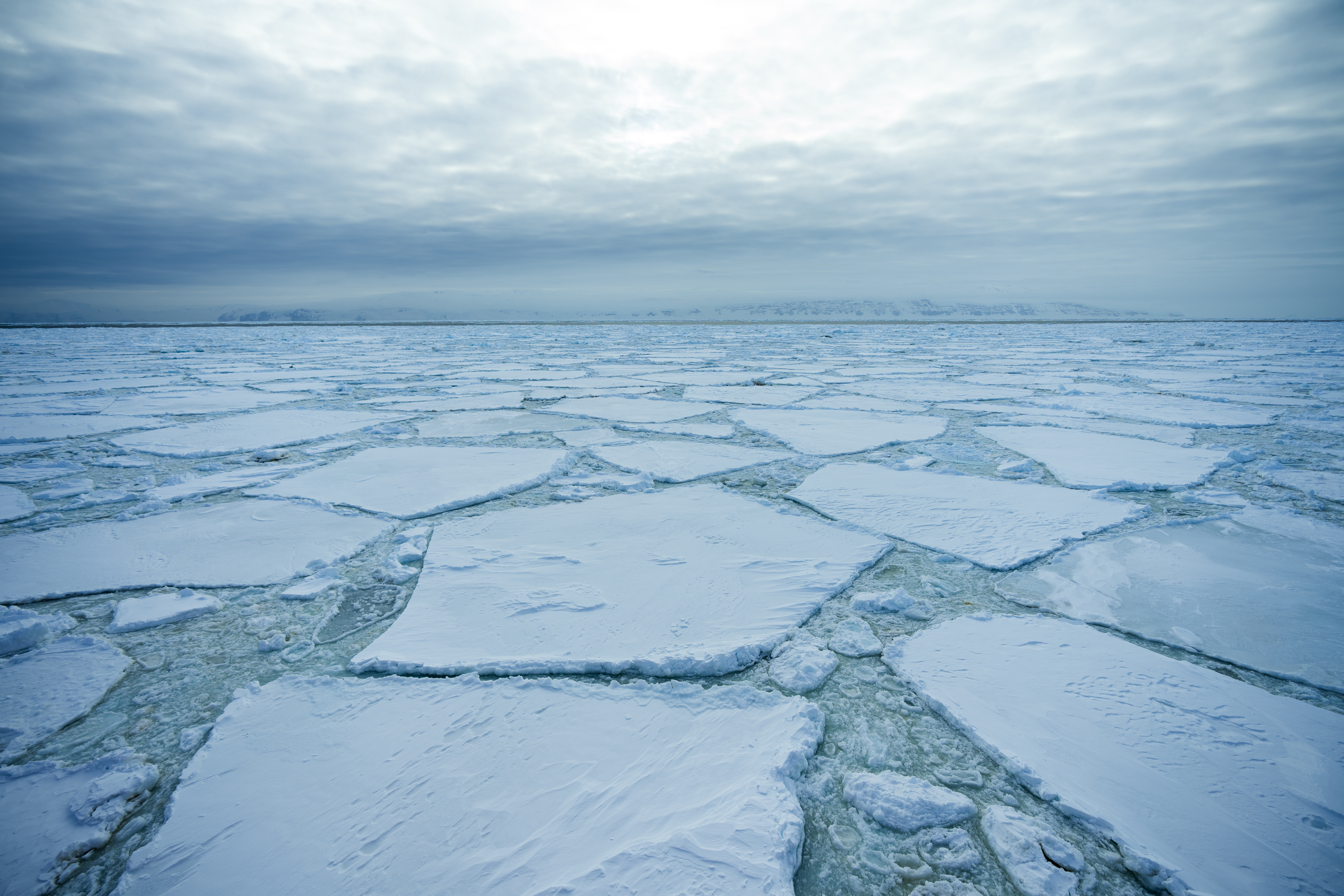
In this workstream we are investigating the novel application of AI techniques that provide valuable outputs from existing data, or new ways to tackle research questions that were previously impossible or impractical. Our team is focusing on the development and implementation of a machine learning emulator for predicting sea ice changes.
Credit Lana Young
Objective 2: Complex Science Systems
Research lead: Sijin Zhang
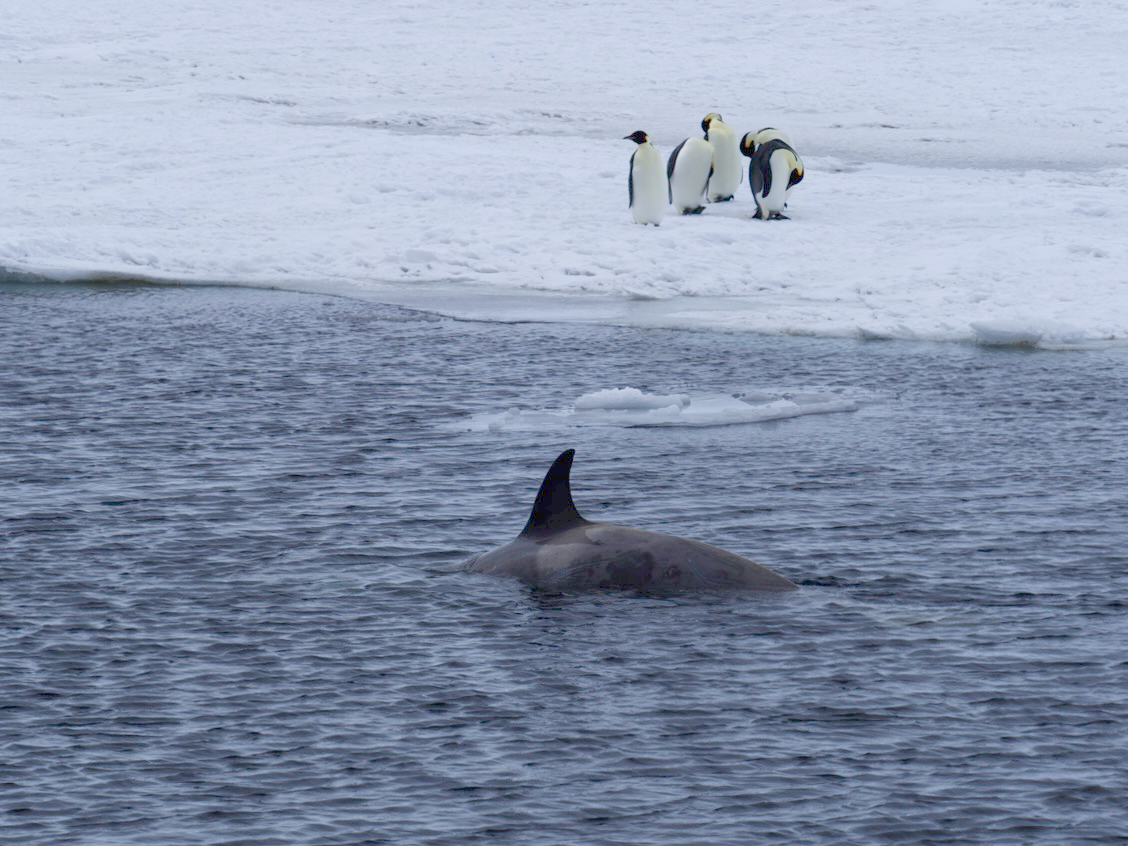
Complex systems are those in which interactions between individual components make predicting their behaviour almost impossible. This is particularly true of living organisms, so to try and understand how species such as penguins and seals will respond to climate change, we are building an agent-based model that will simulate how individual animals interact with each other, and how they react to changes in their environment.
Credit Jamie McGaw
Objective 3: Numerical Model Coupling
Research lead: Alanna Alevropoulos-Borrill
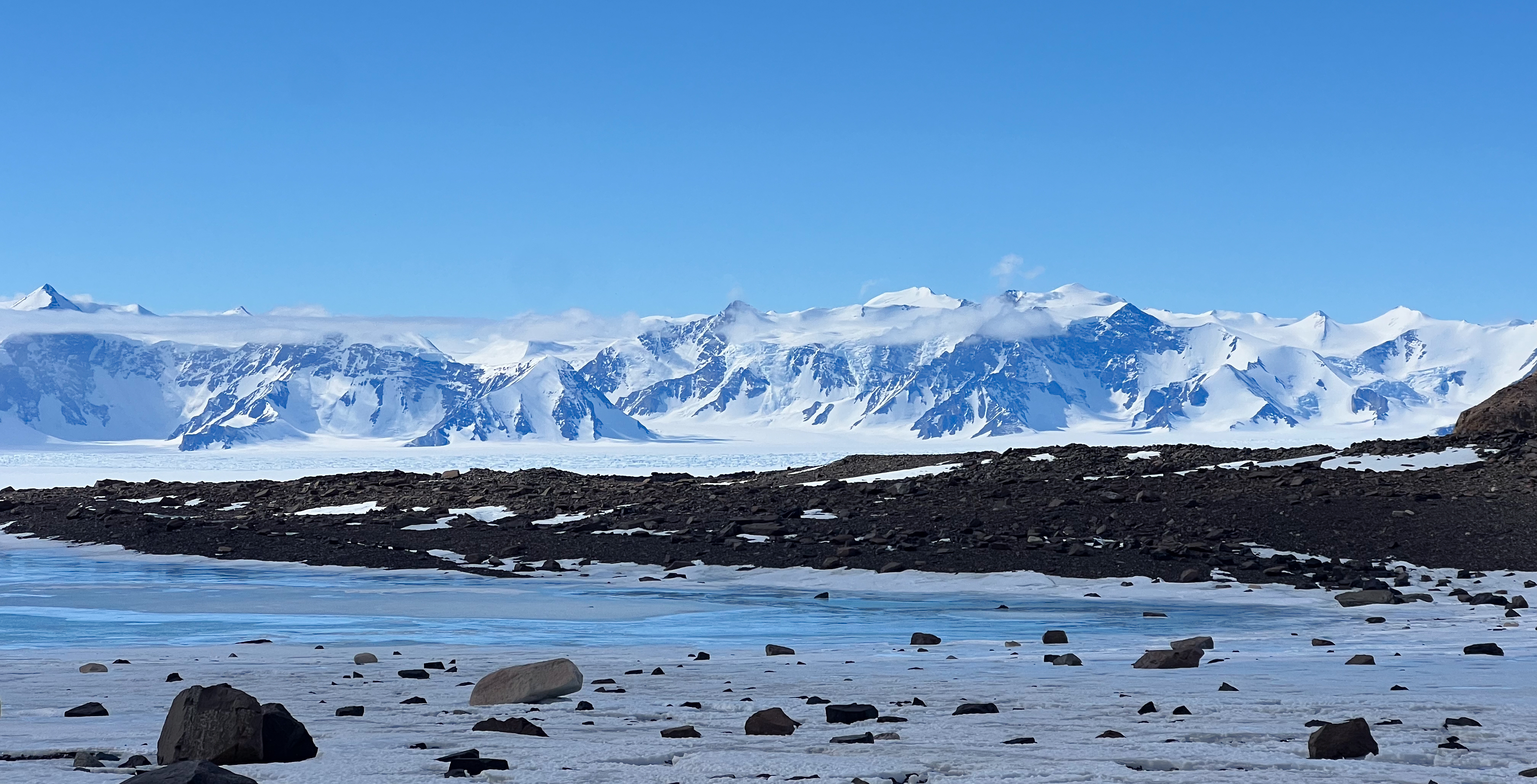
Model coupling is fraught with technical, methodological, and practical problems that can consume significant time. In this objective our team is supporting one researcher to continue the integration of the dynamic ice sheet model ‘BISICLES’ into the New Zealand clone of the UK Earth System Model. This work was initiated during the first phase of the Antarctic Science Platform and, once completed, will offer a full ice-enabled atmosphere-ocean general circulation model for New Zealand researchers to use.
Credit Laura Phillips