Ice Shelf Cavity Hoe
- Phase One
- Project 1: Ice Dynamics
- Project 2: Antarctic Ocean Mechanics
- Project 3: Ecosystems
- Project 4: Feedbacks
- National Modelling Hub
- SWAIS2C
- Ross Sea Voyage 2024
- Opportunity Projects
- Phase Two
- Tiaki Moana – Marine System
- Tiaki Whenua – Terrestrial System
- Mesopredators Research Hoe
- Ice Shelf Cavity Hoe
- Modelling Capability & Development Hoe
- Tipuranga: Mātauranga Māori Research Hoe
- Protected Areas Hoe
This Ice Shelf Cavity Hoe team is working to understand the effects of climate change on the Ross Ice Shelf Cavity, connecting work on the land and in the marine environment.
Lead: Craig Stevens
Why this research?
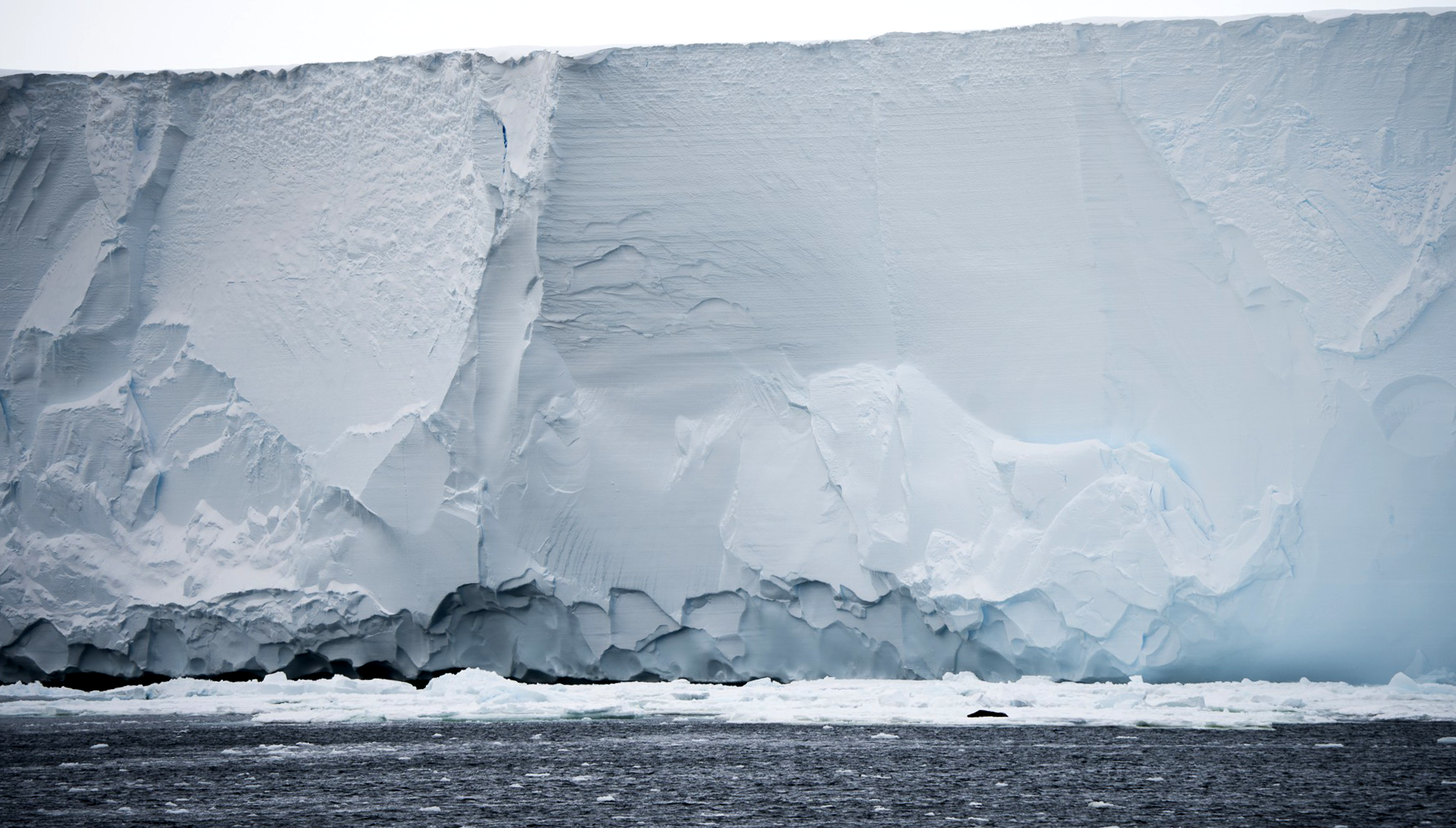
The Ross Ice Shelf is quite special. It’s the southern-most ice shelf, the largest by area, and it is actually the point where the East and West Antarctic Ice Sheets meet. The Ross Ice Shelf helps control the slow, relentless flow northward of the land-based polar ice sheet – a critical role for keeping global sea level where it is.
The biggest influence on the Ross Ice Shelf’s evolution and resilience is not the air above it, but the ocean beneath it – the ice shelf cavity.
Being locked beneath hundreds of metres of ice makes the ice shelf cavity difficult to study, but we do know that if the ice shelf cavity warms it will melt more of the ice shelf from the bottom up and it will soften the ice in critical “pinning points” around the coast.
Changes that reduce the resilience of the ice shelf will release more freshwater into the oceans, affecting High Salinity Shelf Water, modified Circumpolar Deep Water, and ultimately influencing global ocean currents.
Objective 1: Answering questions with a joint modelling-observational analysis framework
Research leads: Craig Stewart and Alena Malyarenko
There are so many questions about how an ice shelf cavity works in terms of ice, oceans, ecosystems, and climate – in the past, present and the future. With sparse data and understanding, we can’ t answer these with any one tool. Objective 1 is an overarching component of the Ice Shelf Cavity Hoe that combines data and models to target specific questions – questions that exist now, and those which arise during ASP Phase 2 (2026 – 2032).
Objective 2: Maintain and enhance the ApRES network
Research lead: Craig Stewart
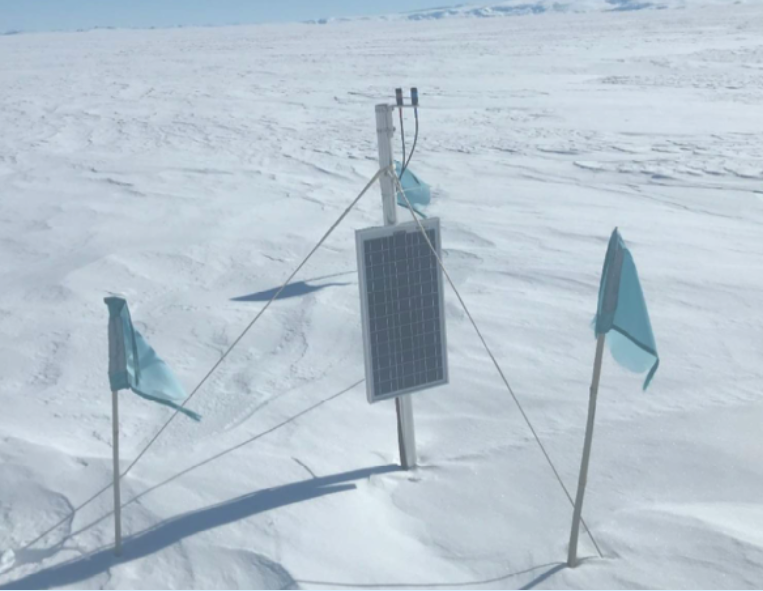
ApRES is short for ‘Autonomous phase-sensitive Radio Echo Sounders’, which are used to measure ice shelf basal melt rates. Under this objective we are working to increase monitoring of basal melt rates coverage across, and possibly beyond, the Ross Ice Shelf. We are developing maps of basal meltwater production and freshwater flux, as well as evolving the operations so that the measurements can be handled by Scott Base technical staff.
Credit Craig Stewart
Objective 3: Establish a long-term monitoring station at Cape Crozier
Research lead: Craig Stewart
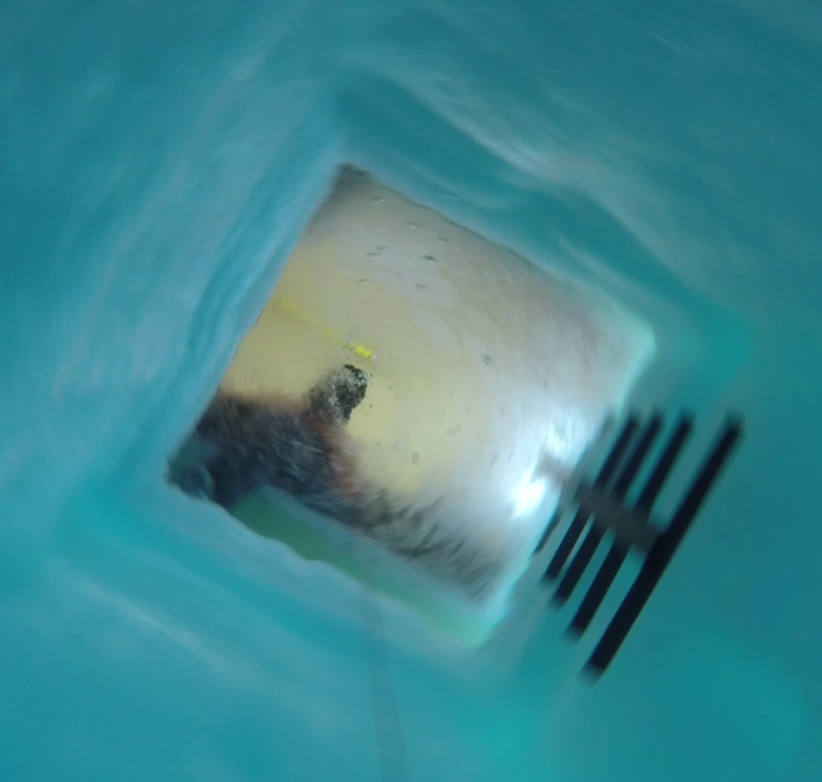
Under this objective we are looking to extend Aotearoa New Zealand’s internationally leading ice shelf cavity borehole science. We are conducting an expedition to Cape Crozier to install Hot Water Drilling borehole moorings. This way we can receive data in real time from this critical region, enabling us to examine thermohaline in- and outflows, as well as ice-ocean interactions.
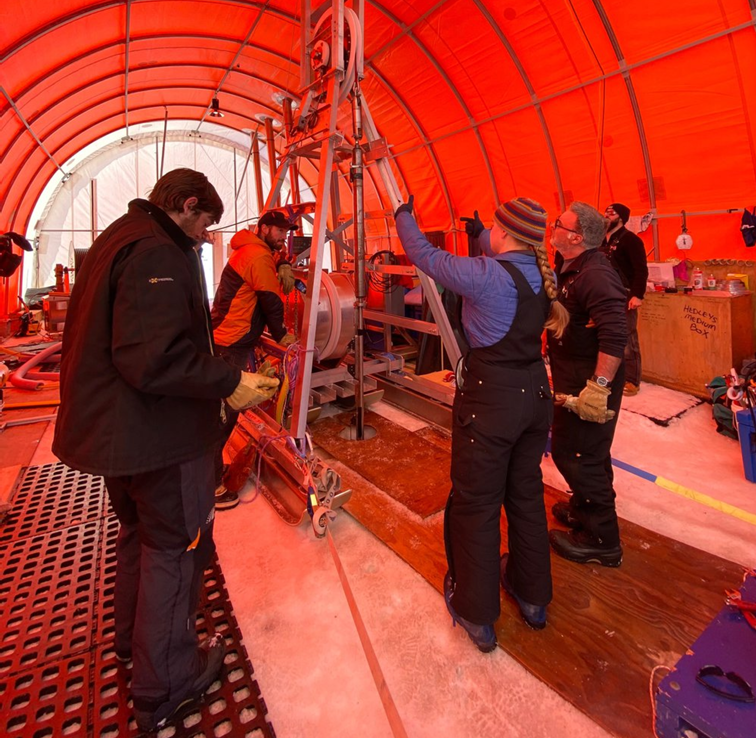
Credit Christina Hulbe
Objective 4: Connecting Tiaki Moana and Tiaki Whenua
Research leads: Christina Hulbe and Denise Fernandez
In the same way that the Ross Ice Shelf is the meeting place for East and West Antarctic Ice Sheets, the Ice Shelf Cavity Hoe acts as the connector between Tiaki Moana and Tiaki Whenua – the two major research initiatives in the ASP.
By connecting these two workstreams, we are enabling close collaboration of ASP researchers and act as the link between land, ice and water. In addition, because the work is highly specialised, under this objective we are looking to provide opportunities for the next generation of researchers in this critical topic.