
Tiaki Whenua – Terrestrial System
- Phase One
- Project 1: Ice Dynamics
- Project 2: Antarctic Ocean Mechanics
- Project 3: Ecosystems
- Project 4: Feedbacks
- National Modelling Hub
- SWAIS2C
- Ross Sea Voyage 2024
- Opportunity Projects
- Phase Two
- Tiaki Moana – Marine System
- Tiaki Whenua – Terrestrial System
- Mesopredators Research Hoe
- Ice Shelf Cavity Hoe
- Modelling Capability & Development Hoe
- Tipuranga: Mātauranga Māori Research Hoe
- Protected Areas Hoe
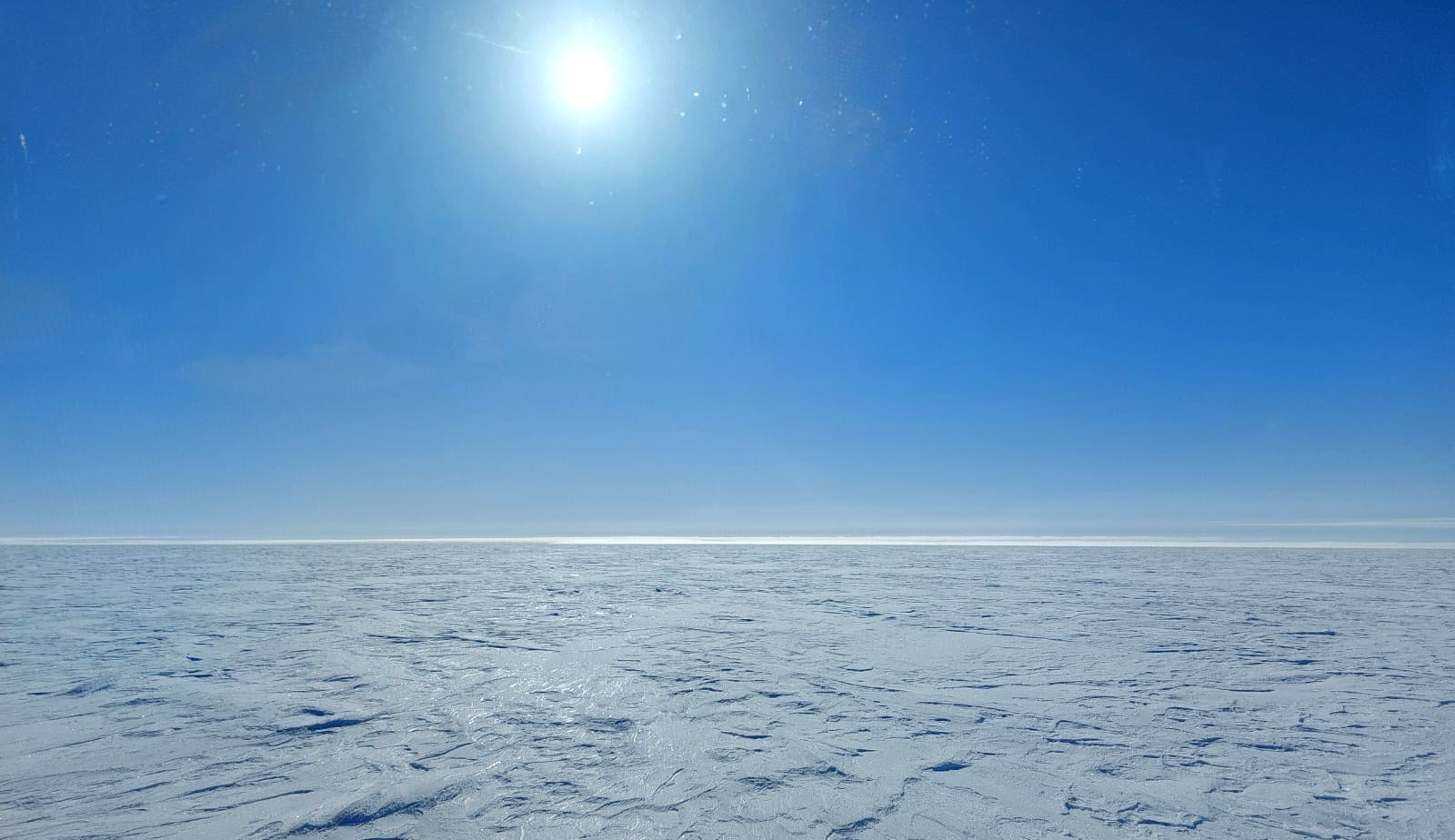
The Tiaki Whenua team is investigating how Antarctica’s ice sheets, ice shelves and glaciers will respond to future climate changes and what this means for Aotearoa New Zealand and the world.
Co-leads: Georgia Grant, Marwan Katurji and Olivia Truax
Why this research and what are we doing?
We are investigating how extreme weather events impact Antarctica's ice sheets and ecosystems.
As climate change intensifies storms and heatwaves, we need to understand what happens when these events hit sensitive Antarctic environments. Our work will help understand and manage impacts on protected areas in the Ross Sea region.
We are examining how Antarctic ice sheet and ice shelf flow will change in a warming world.
Ice shelves play a key role in buttressing (or holding back) the ice sheet. By installing equipment to monitor the Ross Ice Shelf (Antarctic’s largest ice shelf) and the cavity below, and conducting detailed geophysical surveys, we will gain crucial insights into ice behaviour and ice-ocean interactions. This knowledge will improve models that predict future sea-level rise.
We are investigating when Antarctic ice sheets might reach critical "tipping points”.
By analysing sediment cores from beneath the ice shelf and running computer models, we can identify past climate conditions and feedback that triggered historic ice loss and regrowth. This is particularly important as global temperatures approach levels that exceed the Paris Agreement's targets.
Objective 1: Impacts of extreme events
Research leads: Marwan Katurji and Shelley MacDonell
Research question: How will the rates of meltwater production change in an ‘extreme’ climate, and what are the consequences for terrestrial ice, hydrology and ecosystems?
Goal: Evaluate the impacts of extreme events in the context of a changing climate on Antarctic ice, hydrology, and ecosystem vulnerability.
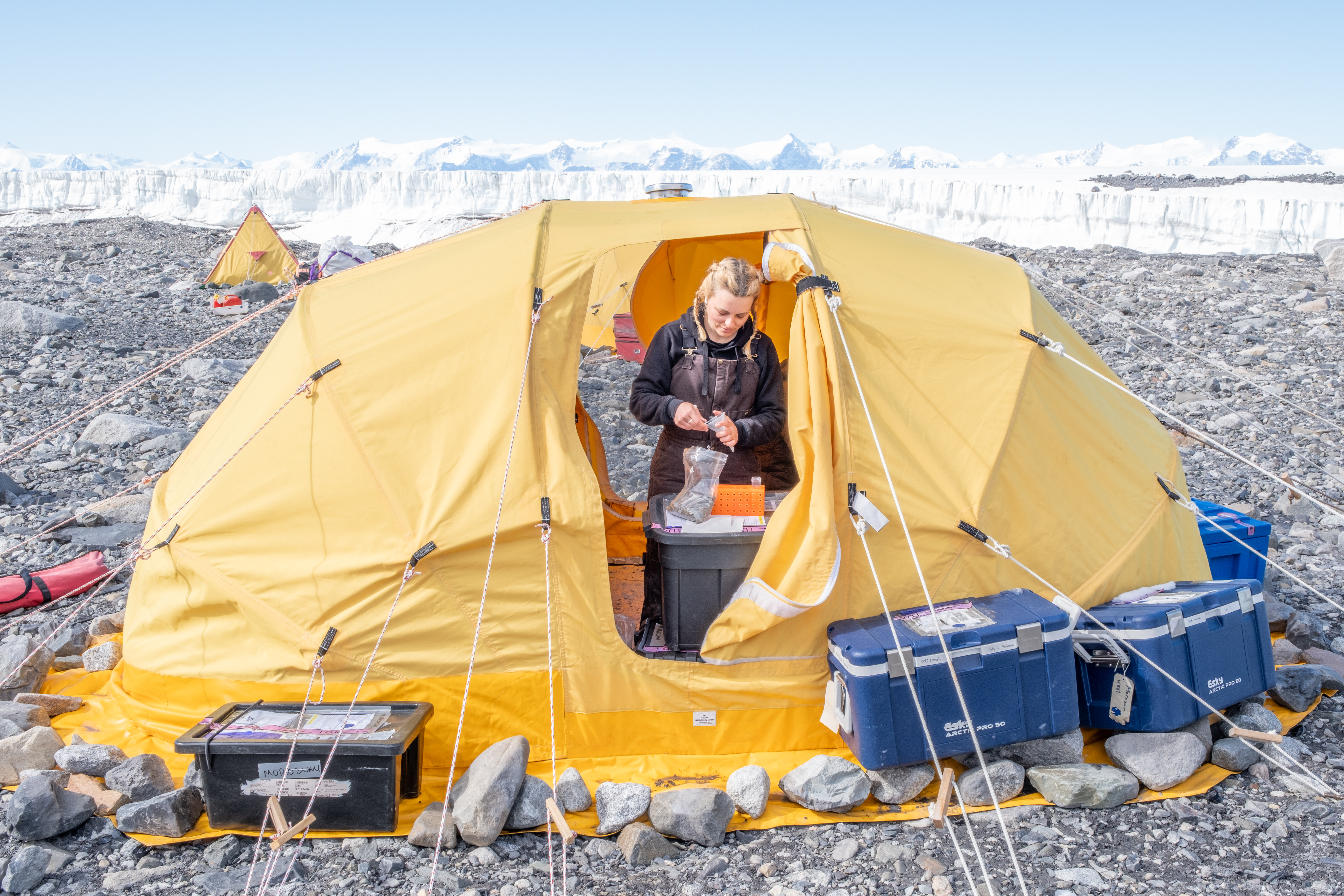
Credit Richard Jones
Objective 2: Ice sheet dynamics
Research lead: Christina Hulbe
Research question: How will ice sheet and shelf dynamic processes change in a warming world, and what does this mean for the global sea level?
Goal: Improve the representation of ice shelf mechanics and behaviour in Antarctic ice sheet models.

Credit S Gordon
Objective 3: Ice sheet vulnerability and environmental cascades
Research leads: Olivia Truax and Liz Keller
Research question: When will ice sheet loss become irreversible, and what are the cascading effects of ice sheet retreat and collapse on the Earth System?
Goal: Reduction of uncertainty of Antarctic ice sheet contribution to sea level rise from ice–ocean–atmosphere feedbacks.
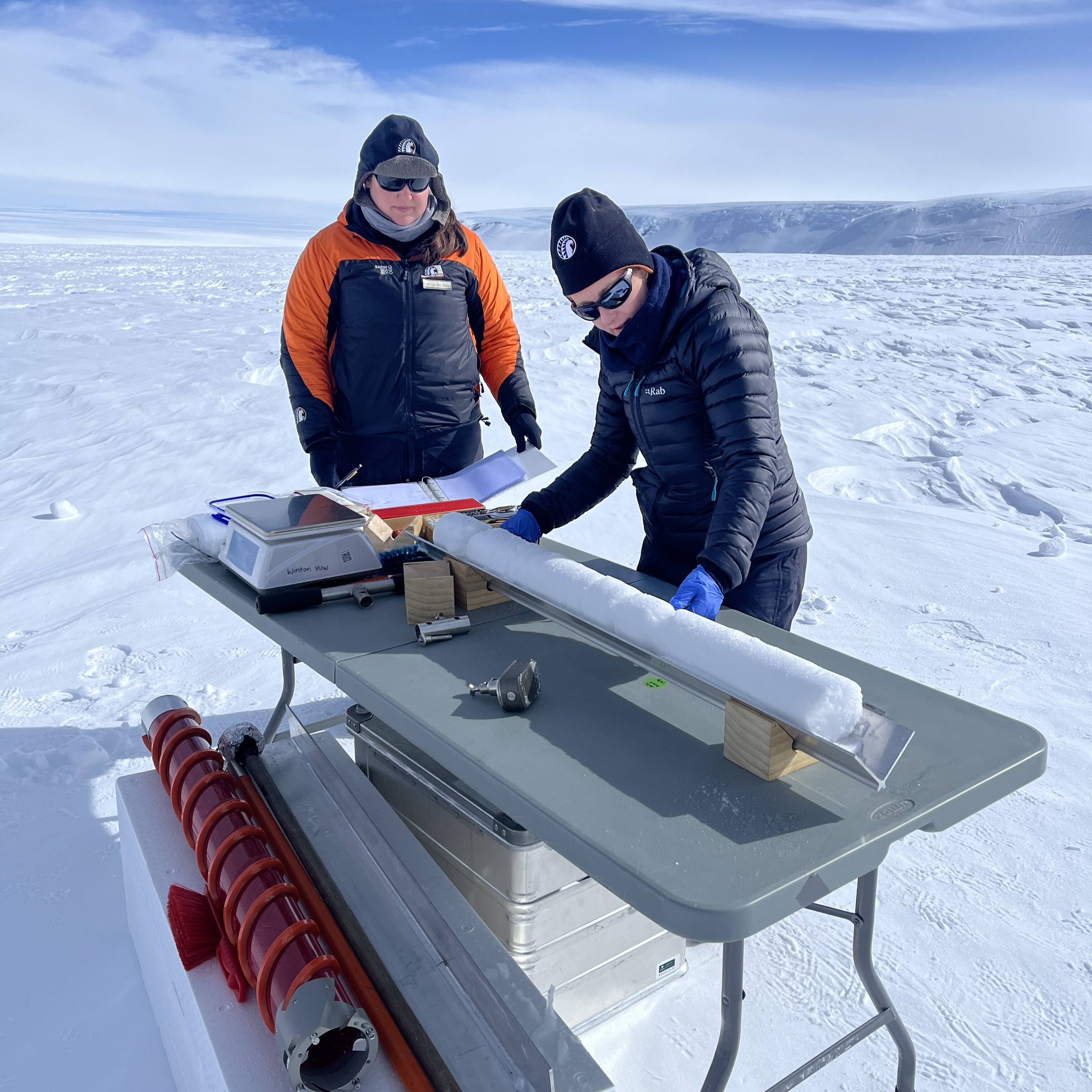
Credit Merijn Thorton
Ice Cavity Hoe – workstream shared with Tiaki Moana
Research lead: Craig Stevens
Research question: Will changes in the ice, ocean and/or atmosphere shift the cold Ross Ice Shelf cavity to a warm cavity, contributing to ice sheet instability and accelerate global sea level rise?
Goal: Identify and understand the drivers of ocean and/or atmospheric heat fluxes impacting Ross ice shelf mass change and stability.
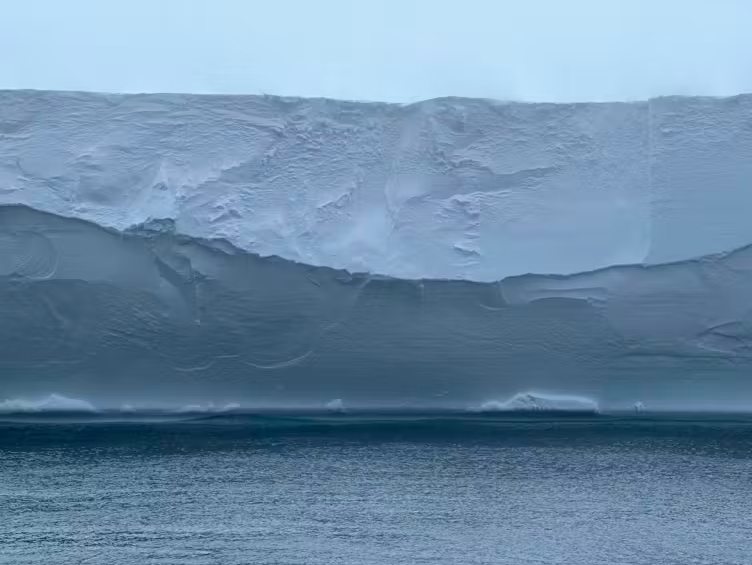
Credit Craig Stevens