
Tiaki Moana – Marine System
- Phase One
- Project 1: Ice Dynamics
- Project 2: Antarctic Ocean Mechanics
- Project 3: Ecosystems
- Project 4: Feedbacks
- National Modelling Hub
- SWAIS2C
- Ross Sea Voyage 2024
- Opportunity Projects
- Phase Two
- Tiaki Moana – Marine System
- Tiaki Whenua – Terrestrial System
- Mesopredators Research Hoe
- Ice Shelf Cavity Hoe
- Modelling Capability & Development Hoe
- Tipuranga: Mātauranga Māori Research Hoe
- Protected Areas Hoe
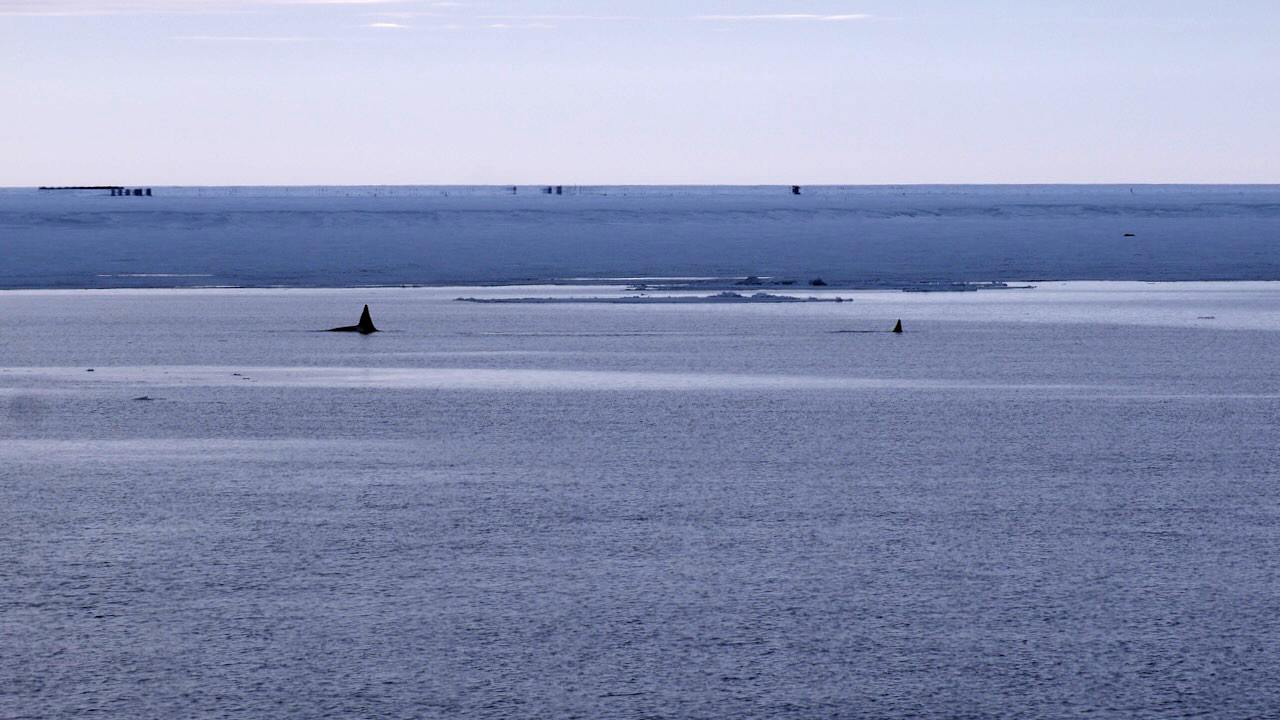
The Tiaki Moana research team is finding out how the effects of climate change will influence the function, environment and ecosystems of our oceans, with a focus on the Ross Sea.
Co-leads: Nancy Bertler, Leigh Tait, Denise Fernandez
Why this research and what are we doing?
The world’s oceans are hugely important climate regulators– absorbing 90% of the extra heat caused by greenhouse gas emissions and land use changes. The Southern Ocean absorbs about 67-95% of that heat, as well as about 10% of anthropogenic carbon dioxide (CO2) emissions.
The Southern Ocean also regulates Antarctic ice shelf stability (and consequently Antarctic contributions to global sea level rise), supports sea ice growth and decay, and hosts unique and globally significant ecosystems.
But absorbing all this heat and CO2 is starting to take its toll.
Records show marked changes in the Southern Ocean over recent years, with waters warming and becoming more acidic. This reduces their ability to uptake additional heat and impacts ecosystems susceptible to ocean acidification.
We are studying how physical drivers (such as increased temperatures) directly and indirectly impact bio-physical process (such as carbon absorption by the ocean). Tiaki Moana is structured through three objectives, Oceanography, Sea Ice and Ecosystems, guided by critical signposts of change and their interconnectivity. We are also incorporating parts of the Ice Shelf Cavity Hoe, which facilitates integration between Tiaki Moana and Tiaki Whenua research to assess drivers and consequences of ice shelf instability. A unifying theme strives to develop an internationally coordinated Ross Sea Monitoring Network with our international partners to assess change and to detect early warning signs. Signposts direct our research efforts to scenarios of irreversible thresholds and policy-relevant consequences.
We are focused on the Ross Sea region, its environment and ecosystems, and their vulnerability to climate change impacts. The research will underpin understanding of the interaction between the global climate system and Antarctica and the Southern Ocean.
The Ross Sea region Marine Protected Area (RSrMPA) is one of the world’s largest marine sanctuaries, protecting one of the most biologically productive areas in the Southern Ocean. It is also the first large-scale protection of the high seas - covering an impressive 1.55 million square kilometres (about 70% of which is fully protected).
While the biological consequences of this legal protection are not yet clear, the RSrMPA provides a globally significant opportunity to understand the impacts of climate change outside of the myriad of stressors typically associated with human activity.
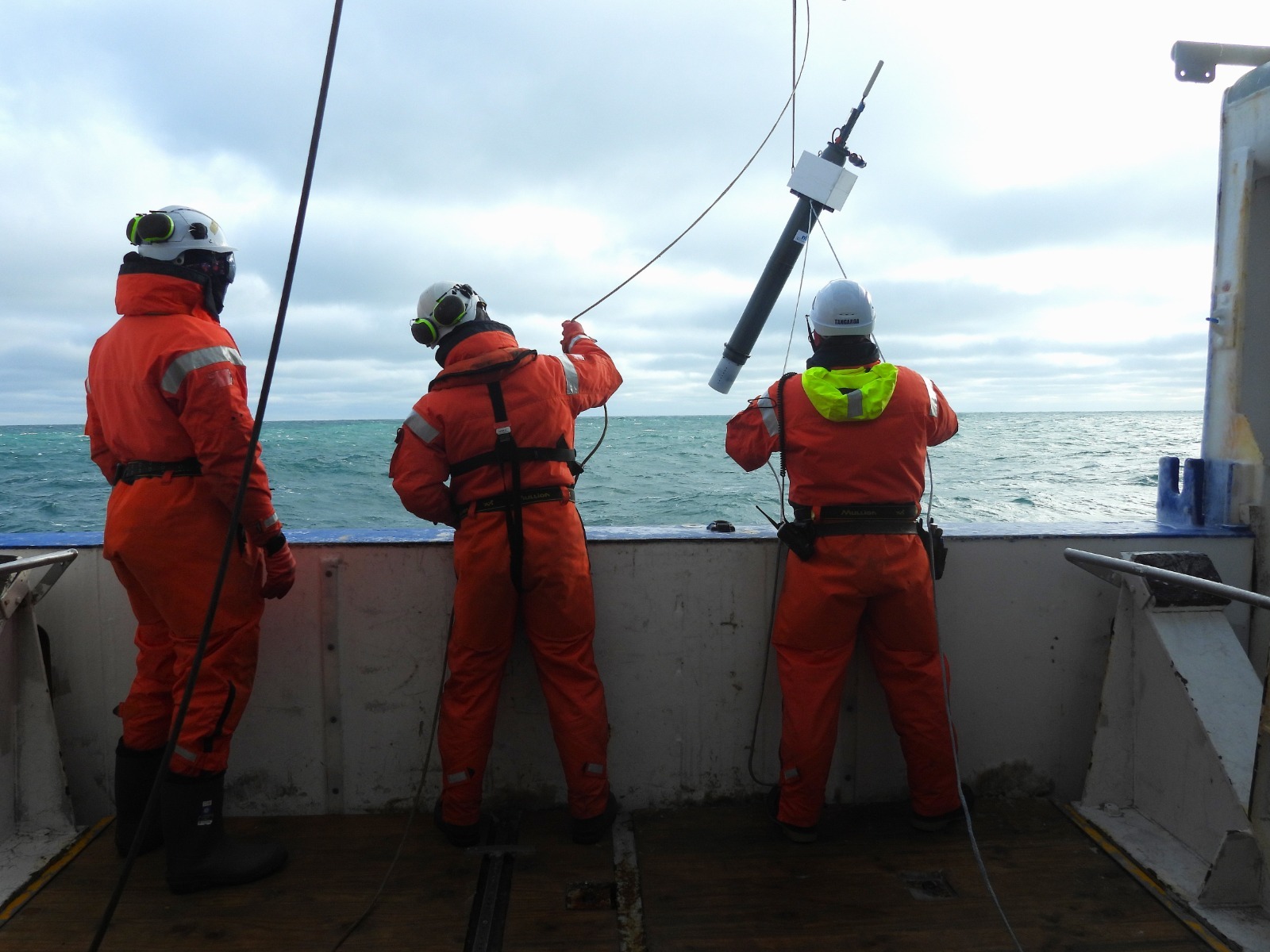
Objective 1: Oceanography
Research leads: Denise Fernandez and Melissa Bowen
Research questions:
- How is the Southern Ocean warming and how does that impact poleward heat transport?
- What are the implications of shifts in volume, characteristics and variability of Circumpolar Deep Water and Antarctic Bottom Water?
- How do ice shelf processes and the evolution of Ross Sea Polynyas impact the ice shelf cavity?
Credit Svenja Halfter
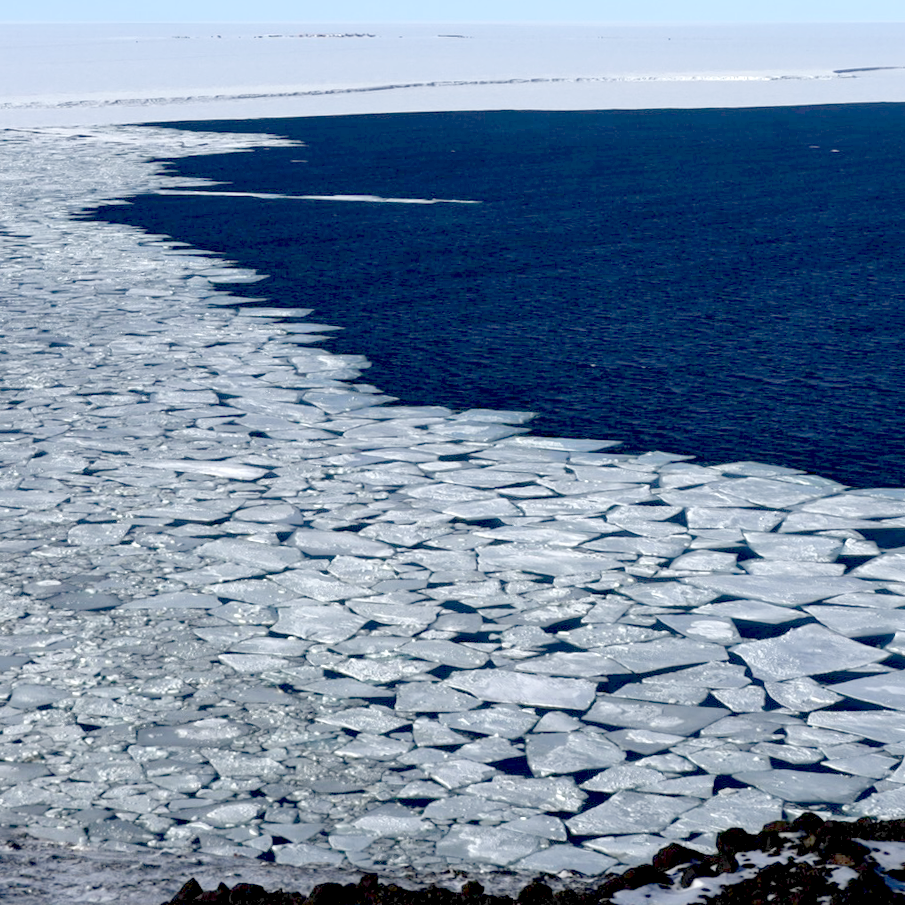
Objective 2: Sea Ice
Research leads: Nancy Bertler and Ian Hawes
Research question:
- How will the continued decrease in Antarctic sea ice extent and area affect ocean water masses, alter ocean heat and carbon uptake, and influence the long‑term stability of the Ross Ice Shelf?
- How will sea ice evolve and what are the regional and global consequences?
- What are the characteristics of sea ice change?
- Is the current sea ice change due to variability or an underlying trend?
Credit Jamie McGaw
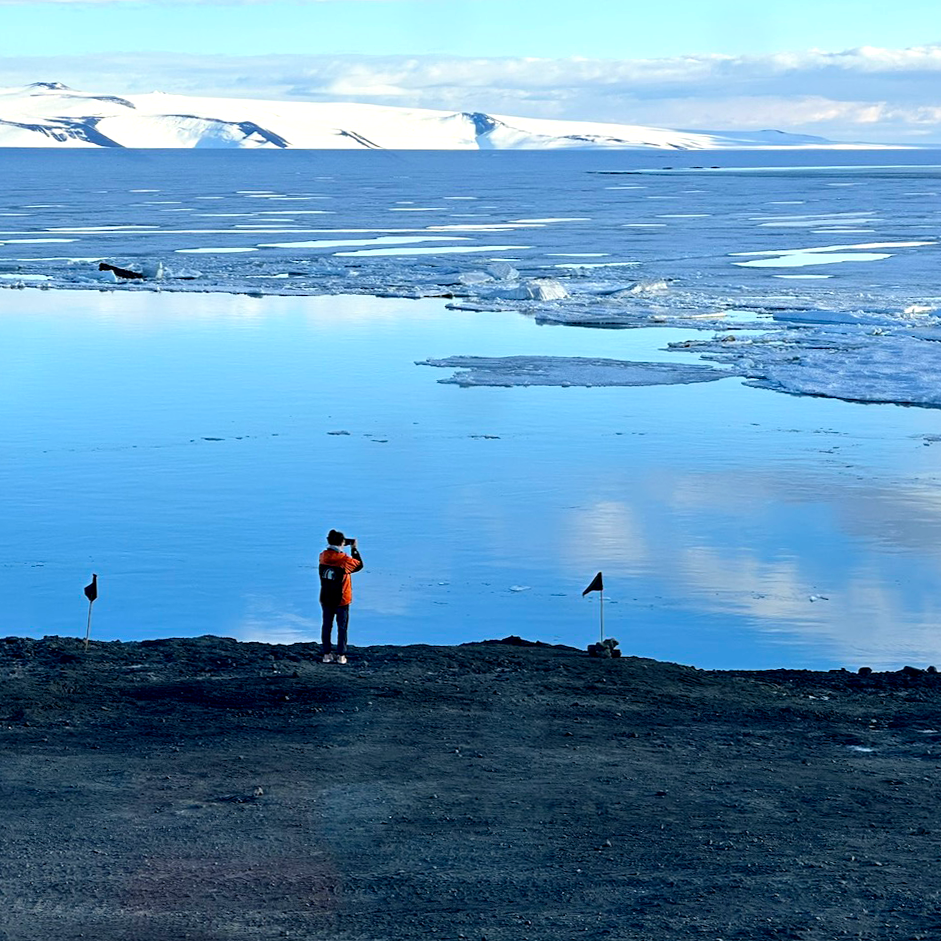
Objective 3: Ecosystems
Research leads: Leigh Tait and Matt Pinkerton
Research question:
- How is climate change altering the composition, abundance, and distribution of phytoplankton, sea ice algae, and benthic communities in the Ross Sea, and what are the implications for ecosystem health and seafloor carbon sequestration?
- What is the future response of primary production and ecosystem functioning to changing oceanographic processes?
- How are coastal ecosystems impacted by changing land, sea ice, and oceanographic processes?
- Does the Ross Sea MPA provide resilience to climate change?
Credit Jamie McGaw
Ice Cavity Hoe – workstream shared with Tiaki Whenua
Research leads: Craig Stevens and Denise Fernandez
Research questions:
- What is the role of the Ross Ice shelf cavities in sea-ice melt and Antarctic Bottom Water production?
- What are the consequences of an influx of modified Circumpolar Deep Water onto the continental shelf and arrival of warmer water at the grounding line?
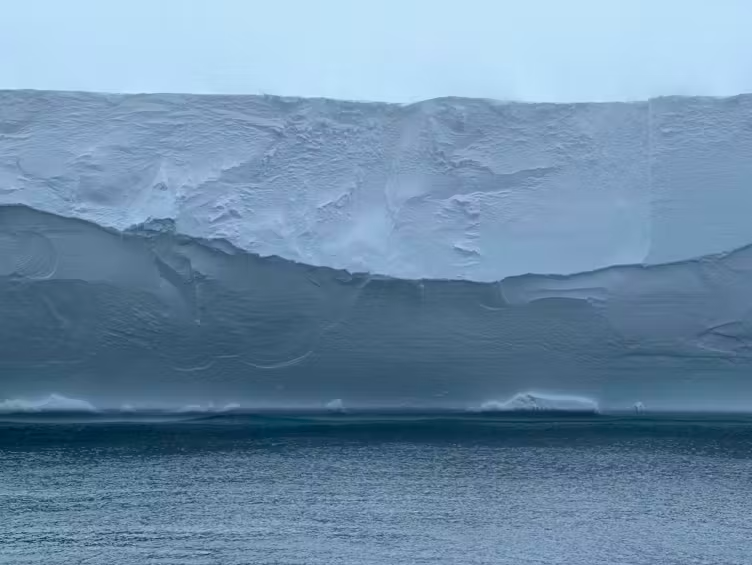
Credit Craig Stevens
Ross Sea Monitoring Network – workstream shared across the Antarctic Science Programme
Research question:
What are the characteristics of a sustainable, internationally coordinated Monitoring Network for the Ross Sea region, with a planning horizon of at least 30 years, and how can it be realised?
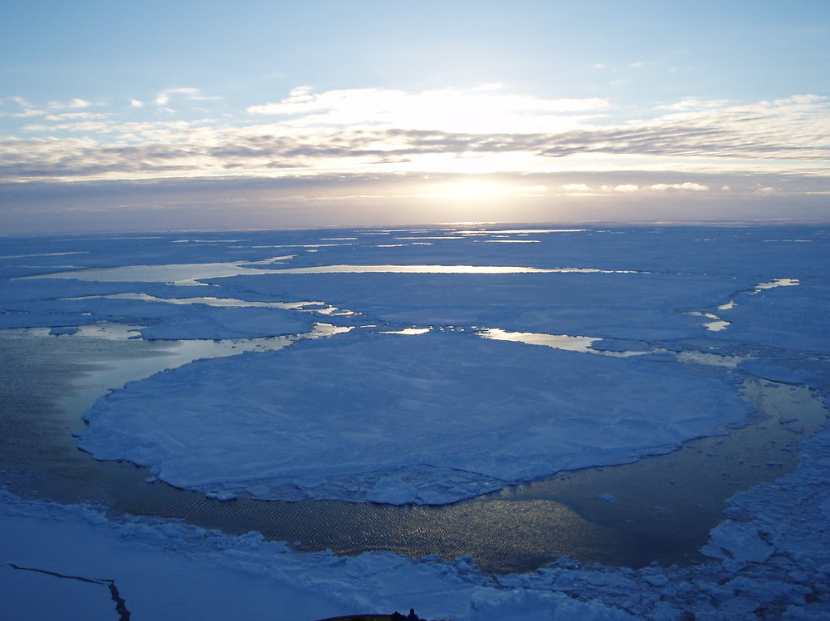
Credit Jana Newman