
Mesopredators Research Hoe
- Phase One
- Project 1: Ice Dynamics
- Project 2: Antarctic Ocean Mechanics
- Project 3: Ecosystems
- Project 4: Feedbacks
- National Modelling Hub
- SWAIS2C
- Ross Sea Voyage 2024
- Opportunity Projects
- Phase Two
- Tiaki Moana – Marine System
- Tiaki Whenua – Terrestrial System
- Mesopredators Research Hoe
- Ice Shelf Cavity Hoe
- Modelling Capability & Development Hoe
- Tipuranga: Mātauranga Māori Research Hoe
- Protected Areas Hoe
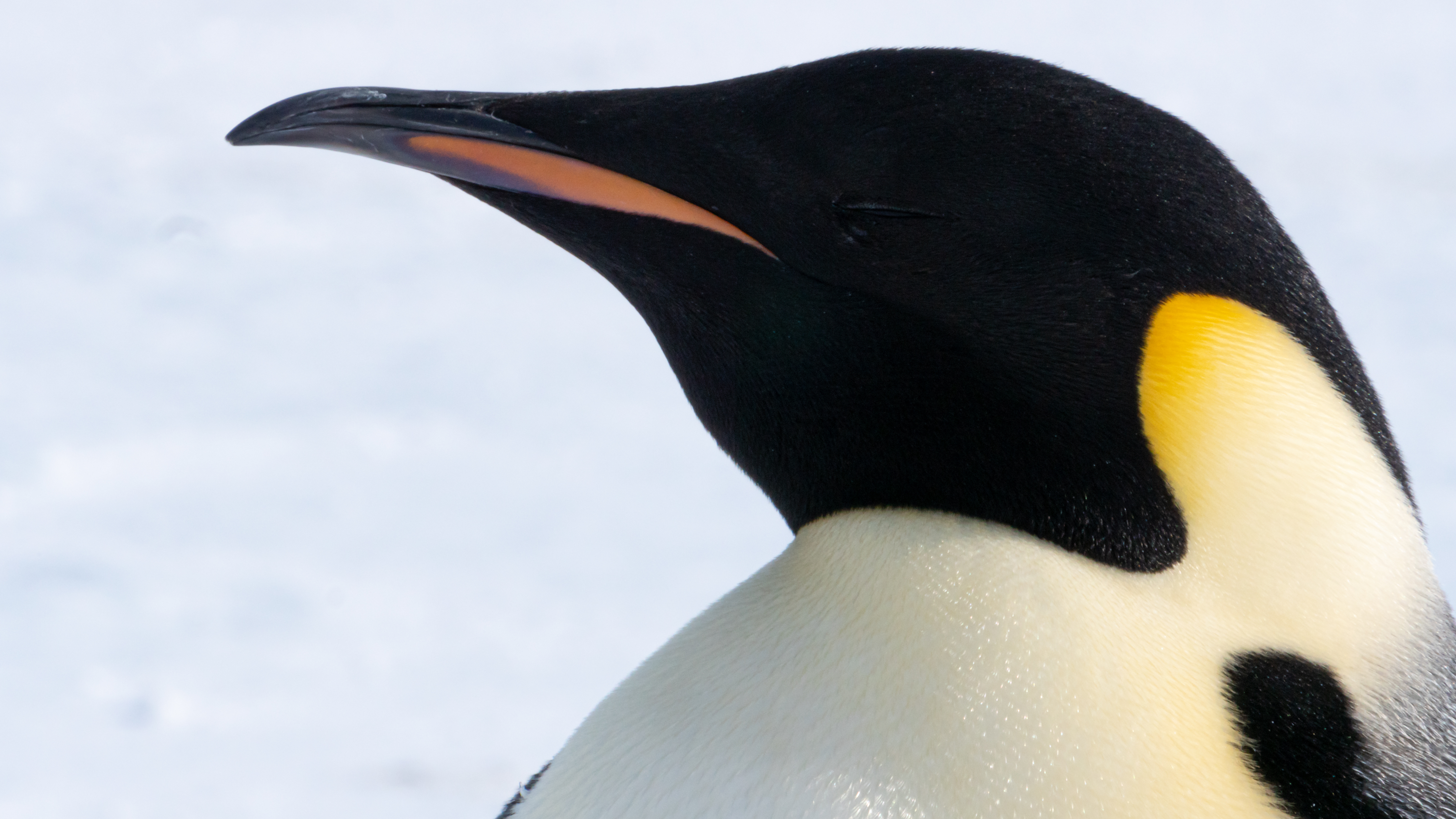
The Mesopredators Research Hoe team is assessing how key Antarctic Mesopredators - Adélie penguins, Emperor penguins, and Weddell seals - can serve as indicators of Ross Sea Marine Protected Area health.
Lead: Michelle LaRue
Why this research and what are we doing?
We are integrating satellite imagery, animal tracking, population genetics, environmental modelling, and mātauranga Māori - allowing the work to span both ecological and cultural lenses.
Our research questions focus on how predator populations are changing, where critical foraging habitats are, and whether prey composition is shifting. Our team is contributing to international science and national aspirations, while embedding Māori values and leadership through collaborative partnerships with Murihiku ki te Tonga and Ngāi Tahu. We are also aiming to build research capability and deliver open, reproducible science to inform the 2027 MPA review.
Objective 1: Stability of metapopulations
Research lead: Michelle LaRue
Within this workstream we are assessing how populations of Adélie, Emperor penguins and Weddell seals are changing over time. Our milestones include presentations at the Scientific Committee on Antarctic Research (SCAR) conferences, publications, and reports to the New Zealand Working Groups of the Convention for the Conservation of Antarctic Marine Living Resources.
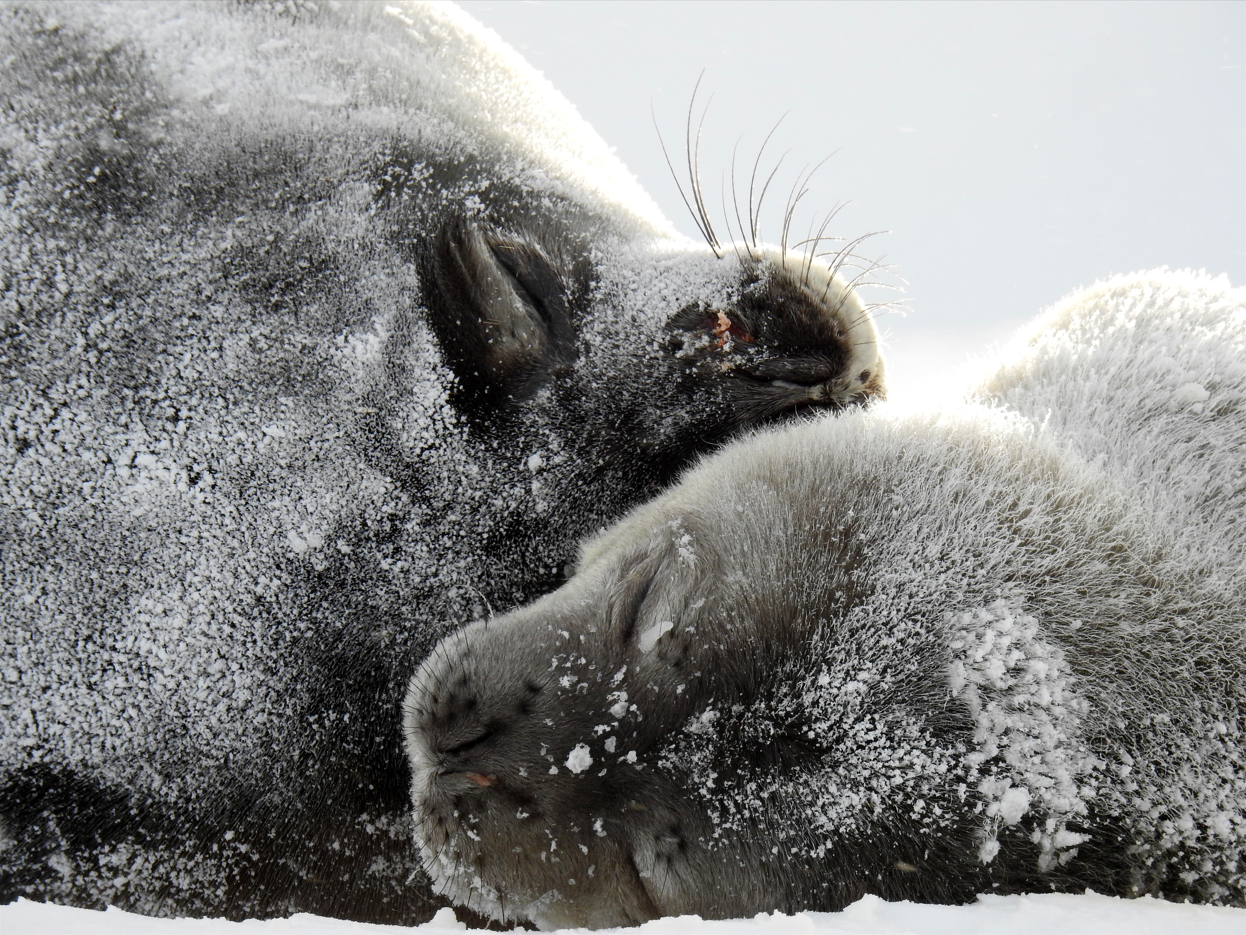
Credit Rose Forrester
Objective 2: Foraging habitat of Mesopredators
Research lead: Mia Wege
Under this objective we are defining key areas for seal and penguin foraging behaviour and distribution. We are tracking individuals from each subject species and add this information to existing datasets, enabling habitat modelling and statistical analysis.
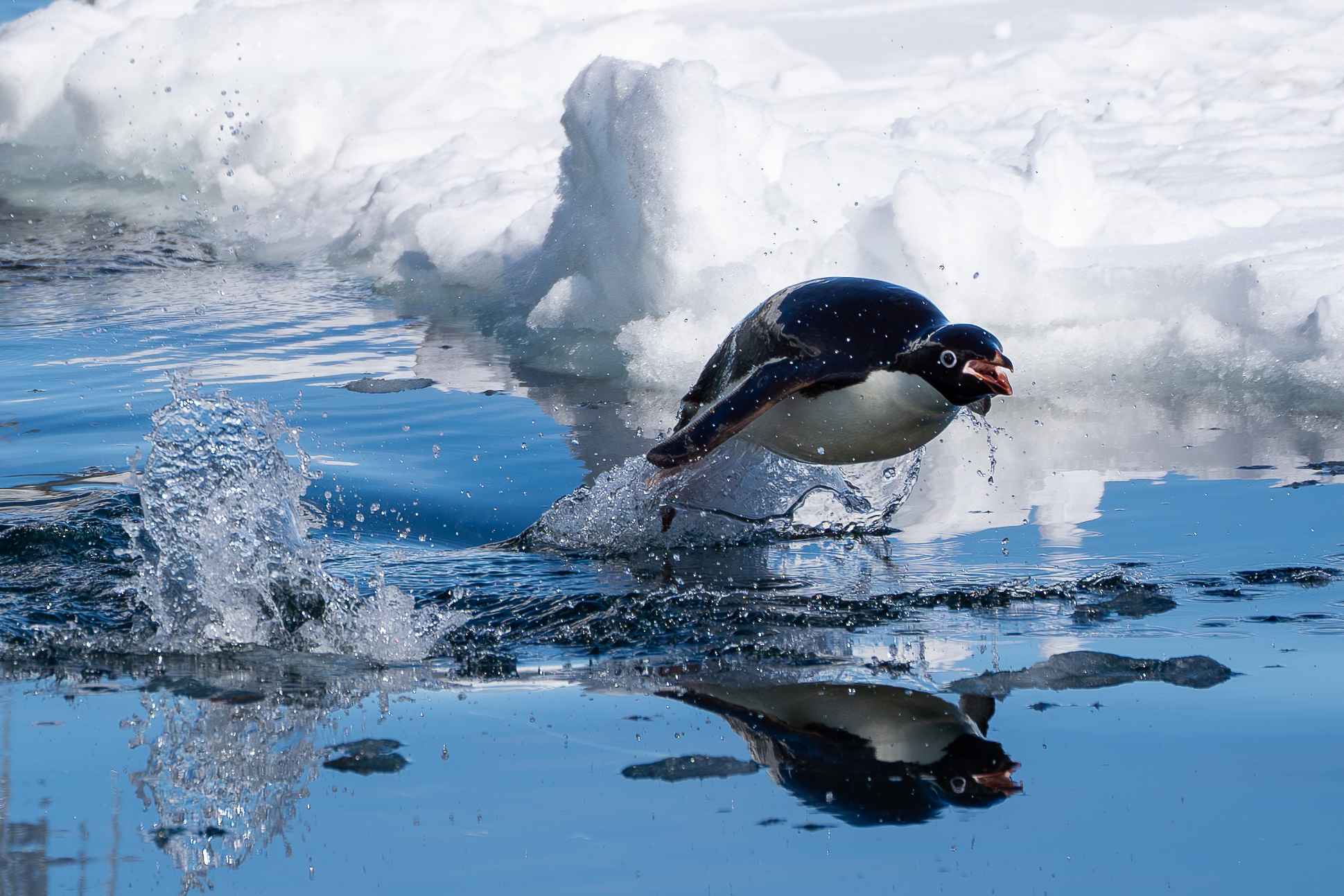
Credit Patrick Rietveld
Objective 3: Prey composition
Research lead: Michelle LaRue
Under this objective we are exploring the Mesopredators’ diet using genetic and ecological data. We are collecting faecal samples from all subject species and extracting the DNA, which will paint a picture of what the animals are eating now, compared to data gathered in previous studies.
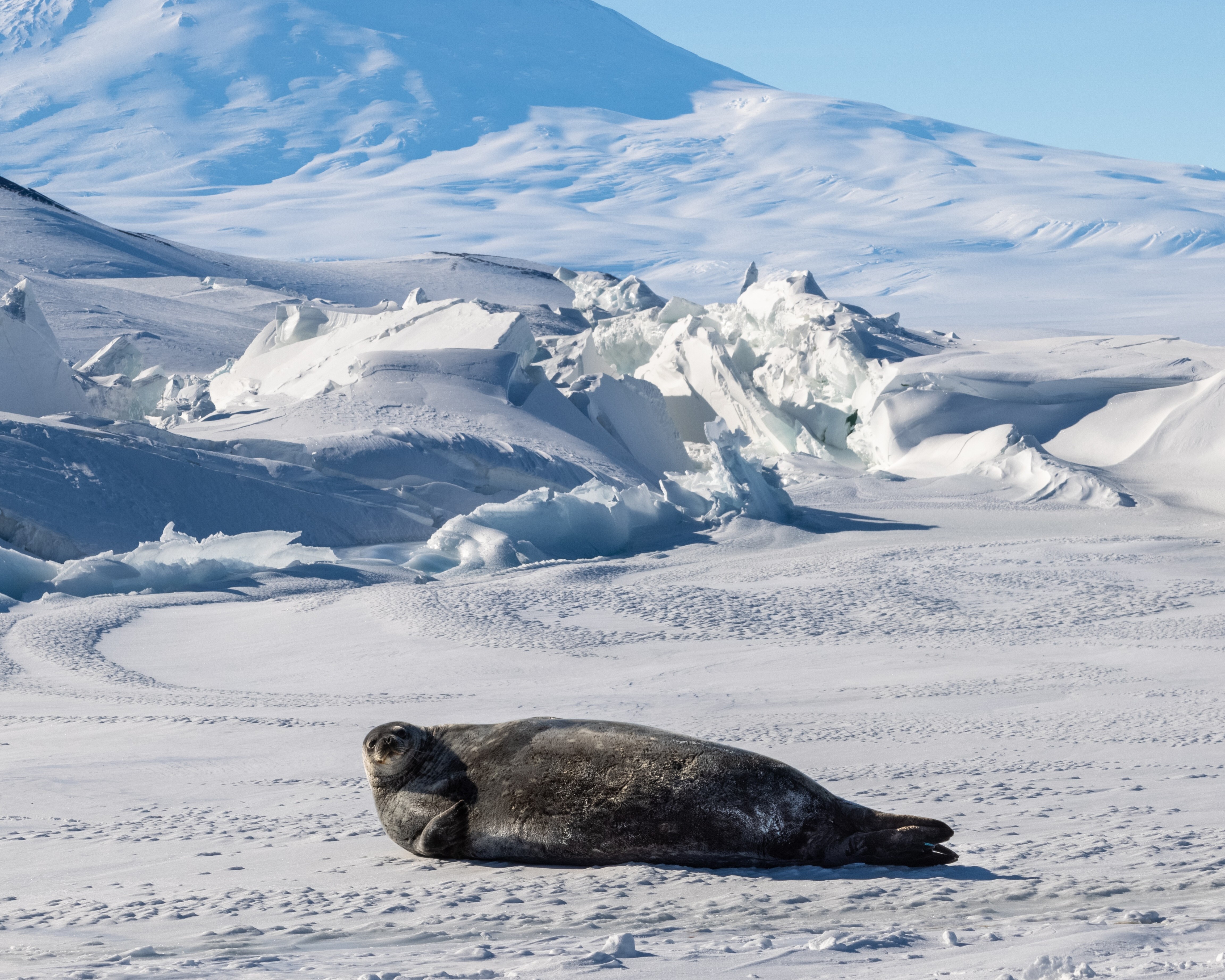
Credit Anthony Powell
Objective 4: Embedding Mātauranga Māori
Research lead: Sarah Wiki-Bennett
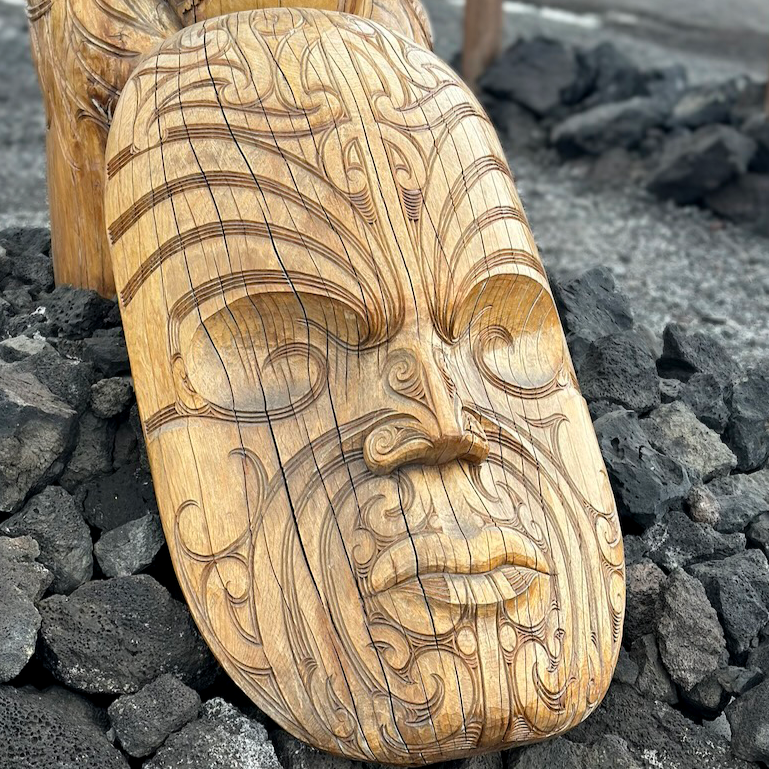
Under this objective we are integrating kaupapa Māori leadership, values and capability across the hoe (entire work programme).
We are establishing a Māori engagement group that so far includes representatives from Murihiku ki te Tonga and the Ngāi Tahu Research Centre (University of Canterbury). This will help us to safely develop mātauranga-aligned sampling protocols, incorporate tohu (Māori environmental indicators) into CCAMLR review planning documents, and provide early career support for upcoming Māori researchers.
Credit Anthony Powell