
How modelling can take you from Arolla to Antarctica
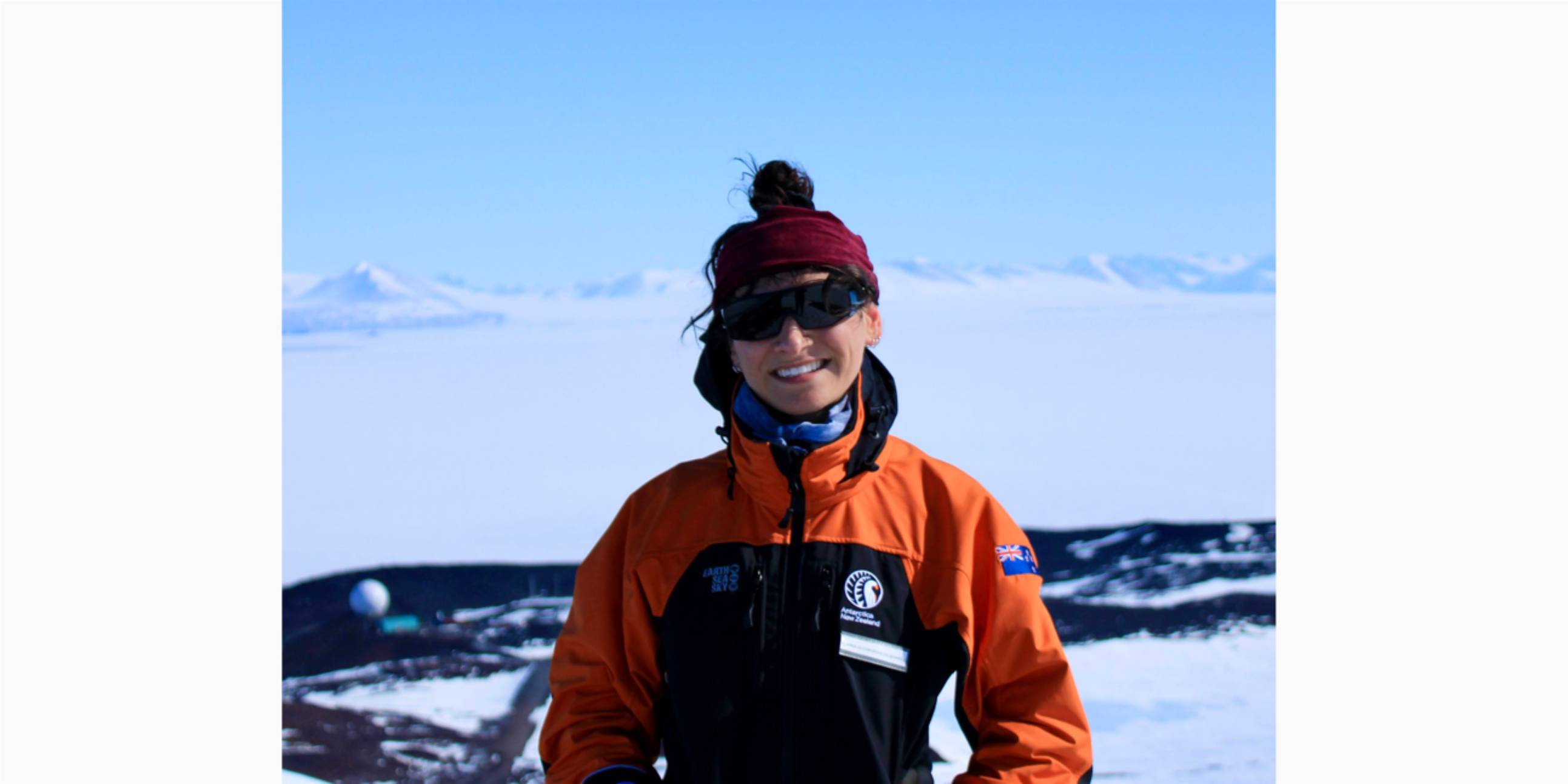
Dr Alanna Alevropoulos-Borrill seems to be our most prolific early career researcher – with roles in Tiaki Moana, Tiaki Whenua, and the Modelling Capability and Development Hoe. As she prepares for her fifth trip to the ice, now as an event manager, Alanna reflects on her journey so far.
Glaciers aren’t a common sight when you grow up near London. So when Alanna stood in the valley below the Arolla Glacier in Switzerland as a geography student, it left a remarkable impression.
“I remember just being in absolute awe,” she says. “I loved learning about the geomorphology and snow processes, and I just thought yeah, this is what I want to do forever.”
Fortunately, her university had a sizeable glaciology department, allowing her to do a research Master’s working with ice sheet models and future changes under climate warming.
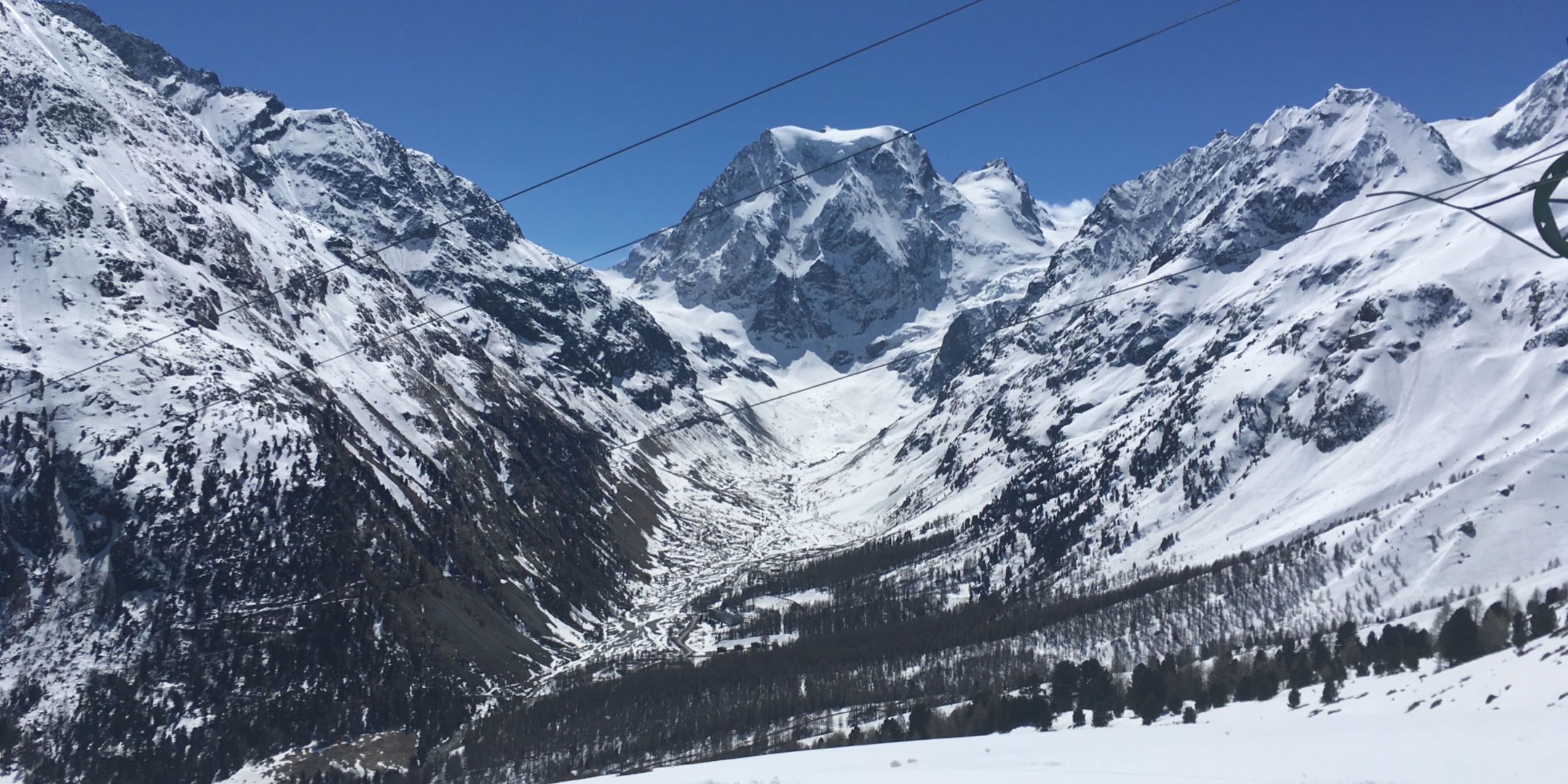
The Arolla Glacier in Switzerland. Credit Alanna Alevropoulus-Borrill
A subsequent PhD with Nick Golledge drew her south, although she never expected to set foot in Antarctica.
“Being a modeller, I was very, very surprised that an opportunity opened up to do some field work. But it’s been a big part of my work for the last couple of years.
“In 2019/2020 Nick had a project where he was installing a network of instruments down on the ice. It’s quite a lot of work preparing for fieldwork before the season starts, so he asked myself and a couple of other students to help.”
Alanna says she became fascinated with the technical side of setting up the equipment and slowly moved into more of a leadership role, to the point where she now maintains the growing network of sites and investigates the signals in the data herself.
The GNSS (Global Navigation Satellite Systems) instruments Alanna maintains are essentially survey-grade GPS receivers, meaning they can capture really small changes in the movement of the ice shelf. The team uses the position to determine the speed at which the ice is moving and how that varies over time and space, allowing them to better understand the processes controlling ice flow. The devices allow the team to take continuous measurements, instead of relying on satellite images that provide only intermittent snapshots of ice movement.
While on the ice Alanna says her favourite thing is the silence and peace.
“It’s a magical place. Working there always reminds me why our research is so important: to understand how the environment is changing, and what that means for its future.”
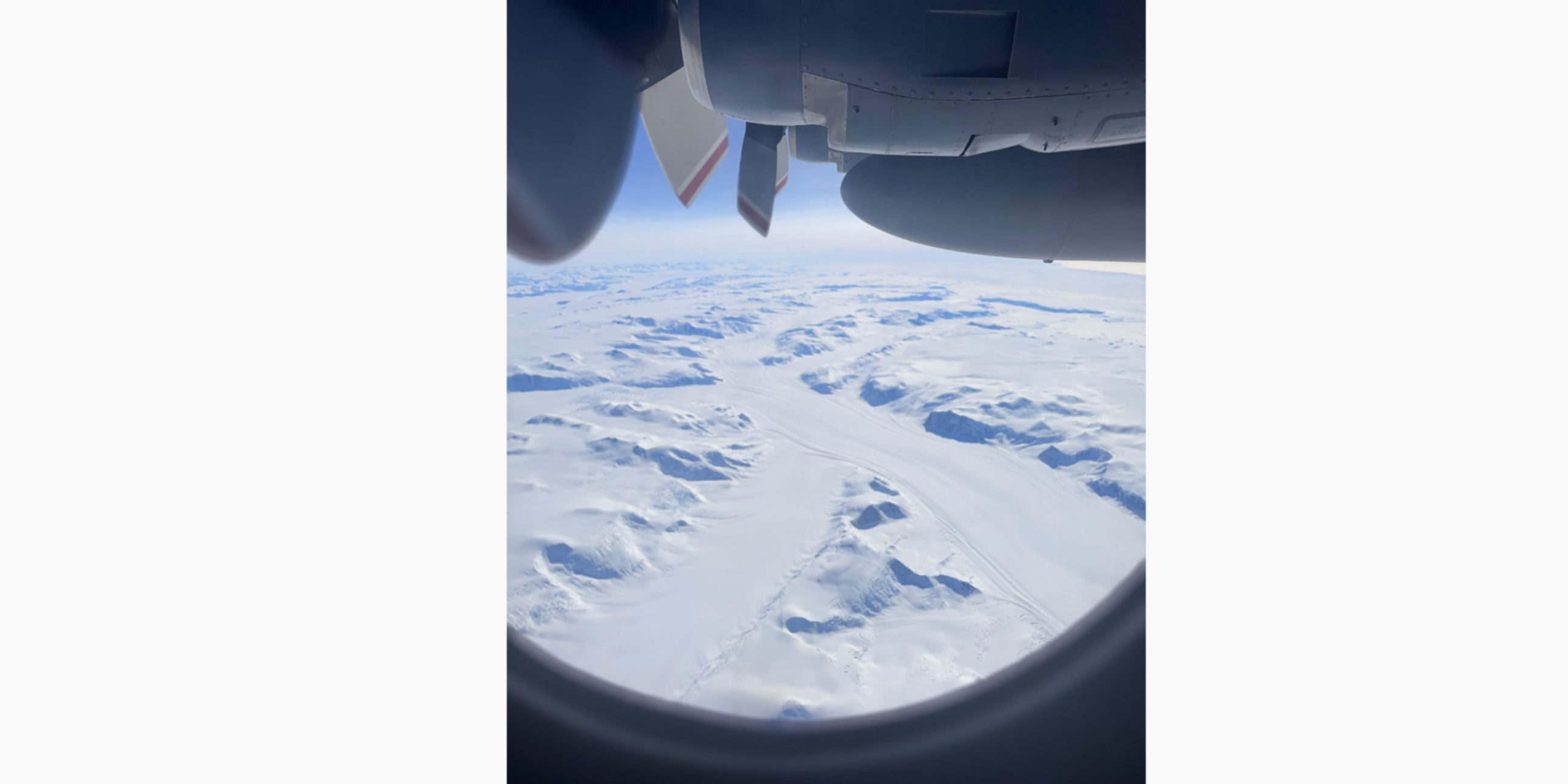
Flying over northern Victoria Land. Credit Alanna Alevropoulos-Borrill.
Phase 2
Studying ice sheet-climate feedbacks means Alanna’s work naturally sits across different domains. Within Tiaki Moana she will be looking at the impact of ice sheet changes on sea ice; Tiaki Whenua is getting her to continue her work with the GNSS networks to better understand ice shelf dynamics; while the Modelling Capability and Development Hoe has put her in charge of improving the representation of Antarctica in the global climate system.
The people, however, are what she’s looking forward to the most.
“I think a lot of the work through my PhD was quite independent, so I’m honestly just looking forward to working as part of a big programme,” Alanna says.
“Given I’m sitting across quite a lot of different things, it means that I’m getting to collaborate with new people. There are some brilliant researchers across ASP and I’m really looking forward to working with, and learning from, them.”