Remote sensing equipment gets an upgrade
Antarctica might be ‘out of sight, out of mind’ for many people, but changes there and in the surrounding ocean have significant impacts around the world.
To monitor and be able to predict changes in the Antarctic environment, Aotearoa New Zealand runs a network of remote data collection sites. These enable us to gather environmental data year-round and build long-term data sets, while reducing the carbon footprint of researchers flying to and around Antarctica.
Unfortunately, these monitoring stations are becoming increasingly difficult to support. This is both because of limited resources, such as aircraft being available to fly to the stations, and funding to replace parts of the devices.
To increase efficiency and impact, the Antarctic Science Platform (ASP) is investing in upgrading the technology of current remote sensing devices, as well as identifying which stations can be discontinued. ASP Impact Lead, Professor Ian Hawes (University of Waikato), explains that the ASP Steering Group sat down and rethought the whole network.
“The concept is to get as good, or better, data . . . more efficiently, at a lower cost, with a lower carbon footprint. So, for example, instead of visiting a station every two years, we only have to go every five years,” Ian says.
“And instead of two teams collecting slightly different data at two, closely located stations, they can collaborate by using one station to collect both sets of data.”
ApRES network upgrade
The upgrade has started with new batteries and hardware for, and the recovery of, ApRES instruments in the 2025/26 season.
ApRES devices, short for Autonomous phase-Sensitive Radio Echo Sounders, measure ice shelf melt and can therefore give us insight on how the ice shelves change and how basal melt rates vary through time.
There were 12 devices initially installed in 2021/22 around the Ross Ice Shelf, with support from a Marsden Fast Start Grant.
Marine Physicist Dr Craig Stewart (Earth Sciences New Zealand) says maintaining the instruments takes ongoing effort.
“The instruments run off a battery, with a small solar panel that tops this up over summer, when the sun is up.
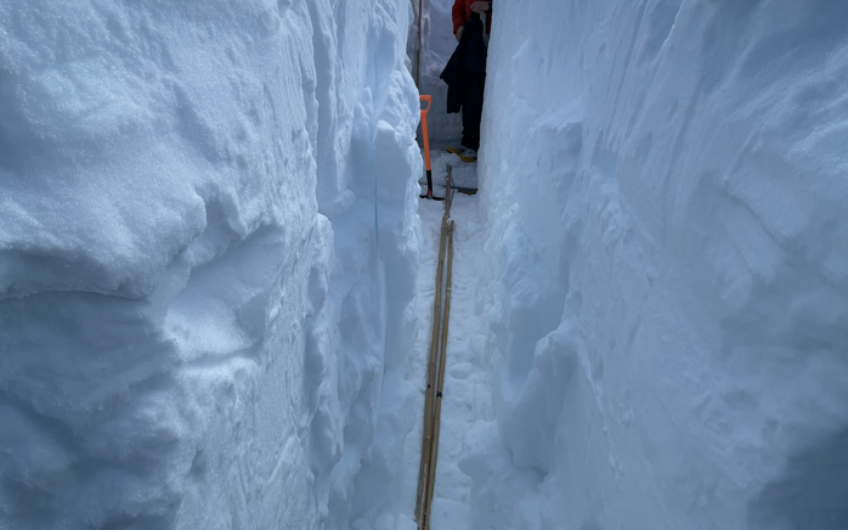
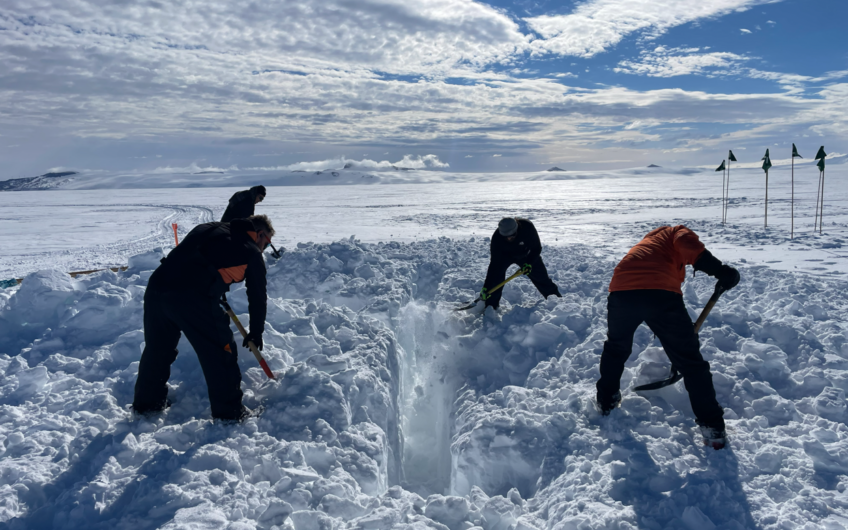
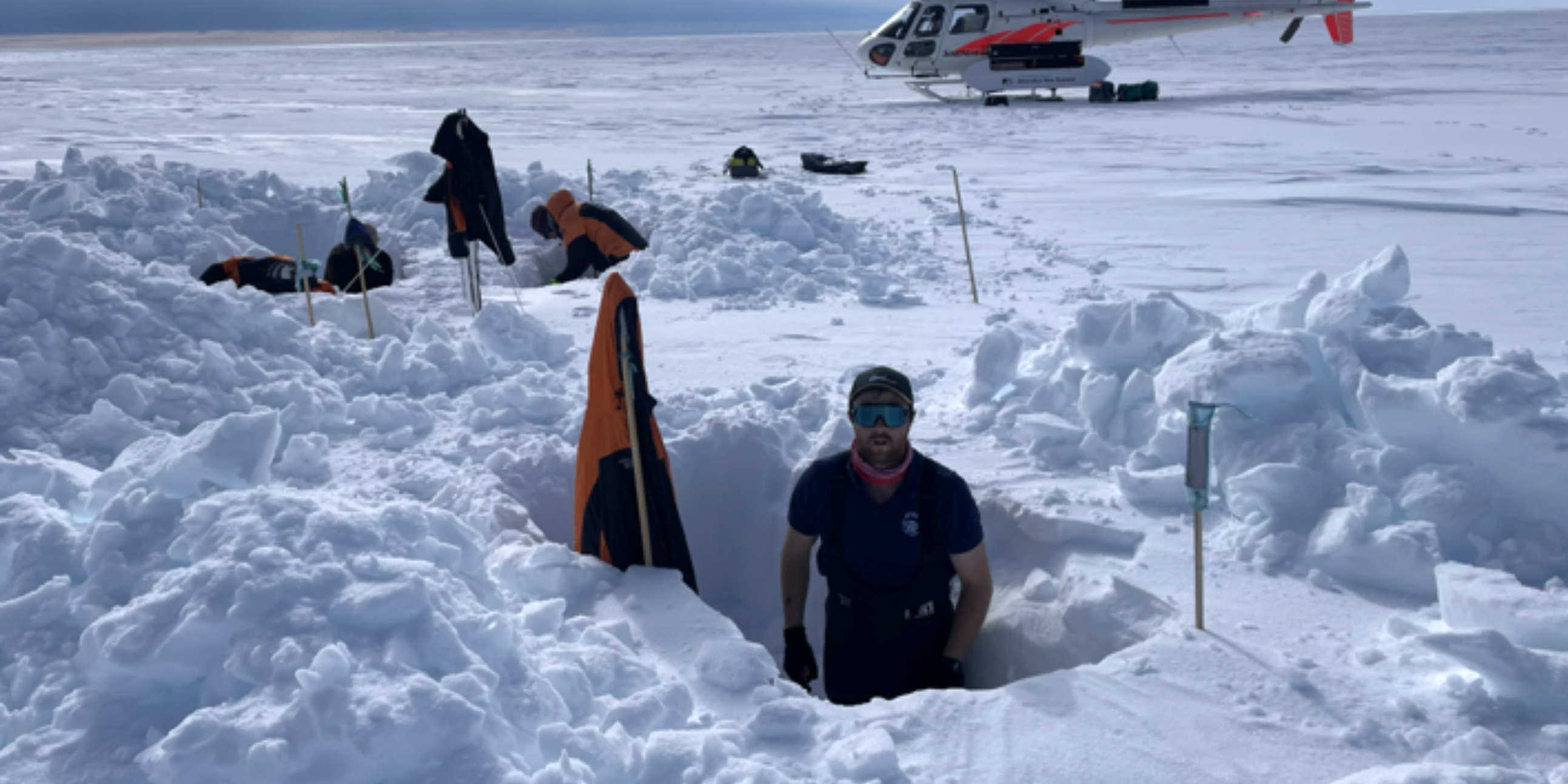
“During winter the units have to survive temperatures down to -45˚C and constant darkness. In addition, snowfall accumulates (and does not melt during summer), meaning the sites are progressively buried and have to be dug out.”
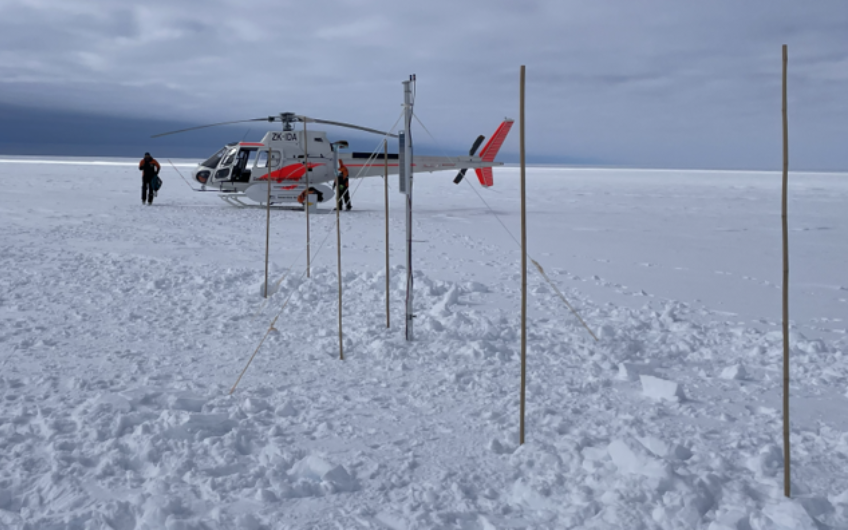
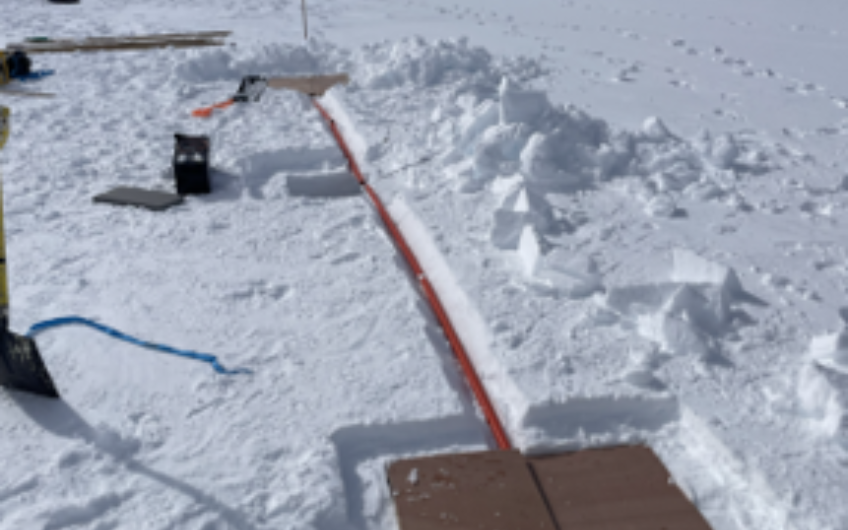
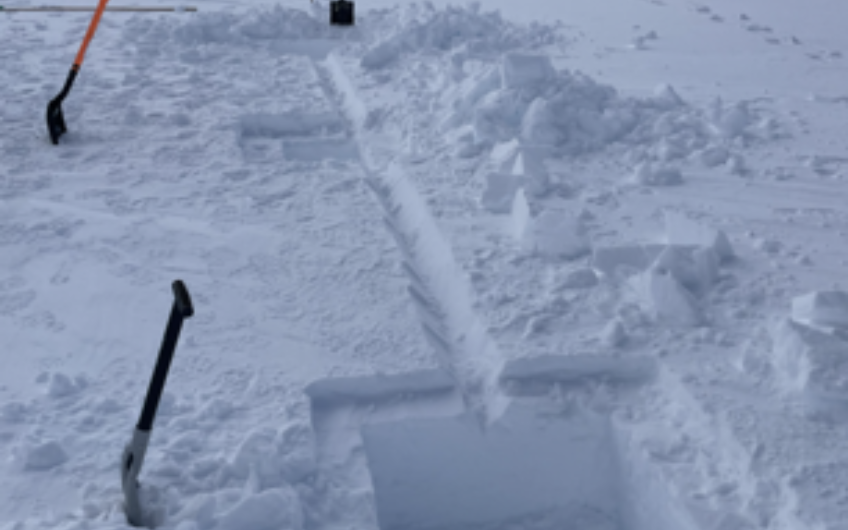
In the 2025/26 season the team dug the ApRES network up out of the snow and installed new batteries and hardware to protect the delicate buried antennas. These upgrades ensure the network can continue to operate reliably through the Antarctic winter and will increase efficiency during future site visits.
Some stations were decommissioned to increase efficiency, and the team also installed a new multi-antenna test site to investigate ways to minimise the effect of blizzard-generated electrical noise on the radar records.
Ongoing impact: supporting data infrastructure
Upgrading the devices on the ground in Antarctica will enable researchers to continue collecting high-quality data to support the development of an online repository system: a one-stop-shop for scientists and decision makers who want to base policies on the latest information.
Researchers will also be able to add data from long-term studies.
“Some of these data go back decades,” Ian says, “and they’ve never been organised. They just get passed from one three-year project to the next.”
The repository will be open source – where Antarctic researchers can contribute data they gather and freely access those contributed by others. It will be hosted by the Antarctic Science Platform at the University of Canterbury.
All images thanks to Craig Stewart.