
SCAR 2026: The good, the ambitious and the inspiring
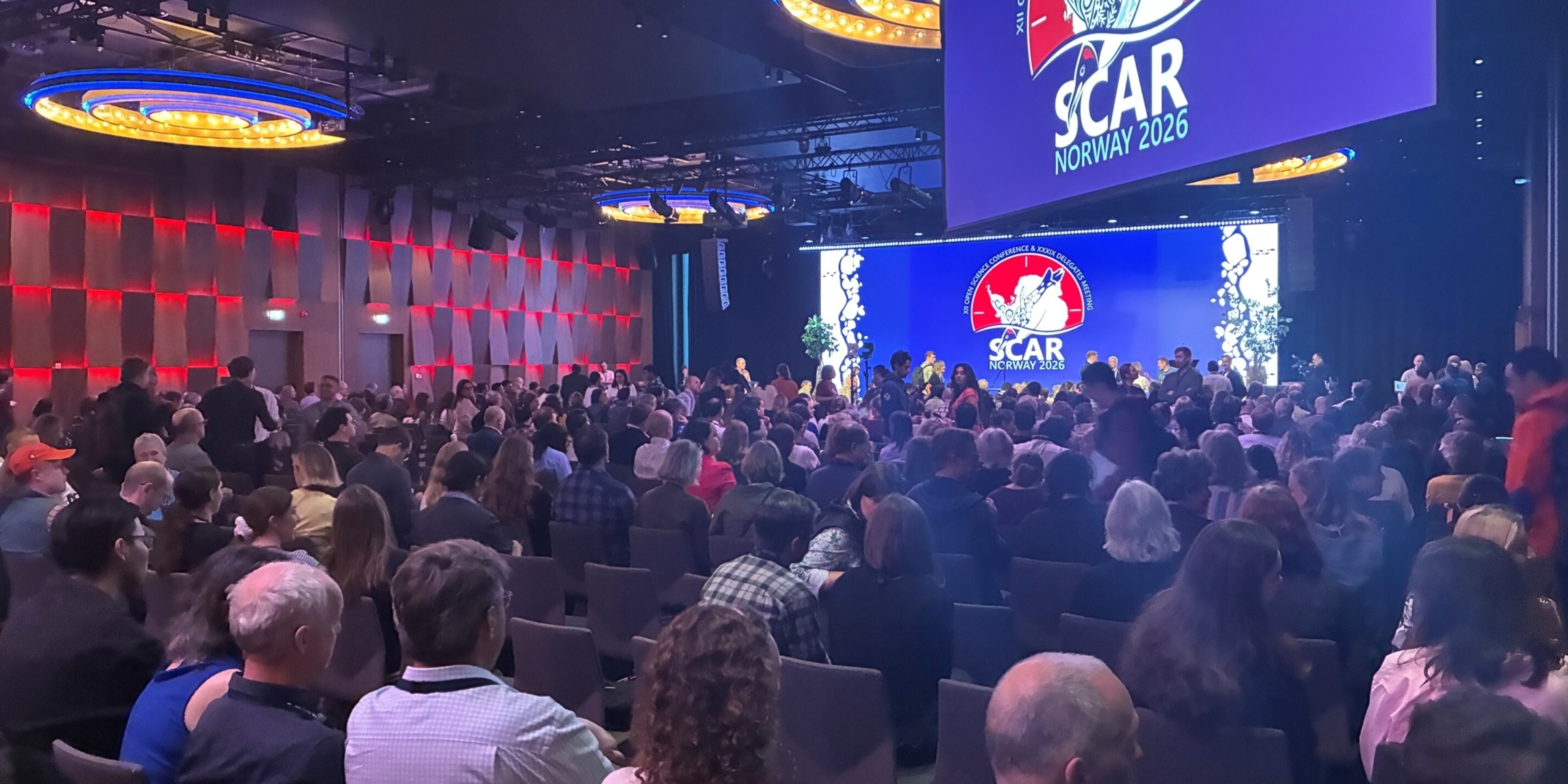
During August you were no doubt either travelling to Europe or receiving autoreplies from colleagues who were. With over 50 New Zealand delegates attending the SCAR Open Science Conference in Oslo, and the various meetings before and after, it's been a month of inspiring discussion and plans for the future.
ASP Director Natalie Robinson says that the biannual SCAR conference is a critical forum for connecting large, international programmes.
"There was a big push to get everyone on board for the Fifth International Polar Year (IPY-5), which will be 2032-2033, as well as for Antarctica InSync," she says.
Our cohort were busy over the week, with talks including Natalie introducing the community to ASP Phase 2; Svenja Halfter discussing the Sub-ice Platelet Layer; Alena Malyarenko giving some predictions about sea ice production; Professor Rangi Matamua presenting his team's research on Māori astronomy in Antarctica (2025/26); and many more. In addition to the talks, there were posters presented on research from across the Platform, many of which you'll be able to see at Scott Base this season.
After the main SCAR conference Natalie and a handful of other New Zealanders made their way to the Forum for Research into Ice Shelf Processes (FRISP) in Kristineberg, Sweden. While this group is dominated by European researchers, Natalie says it was really useful to discover research being run in parallel on both sides of the globe.
"There's lots of students doing lots of exciting things," she says, "and one of the most popular topics was how we could integrate observations and modelling more closely."
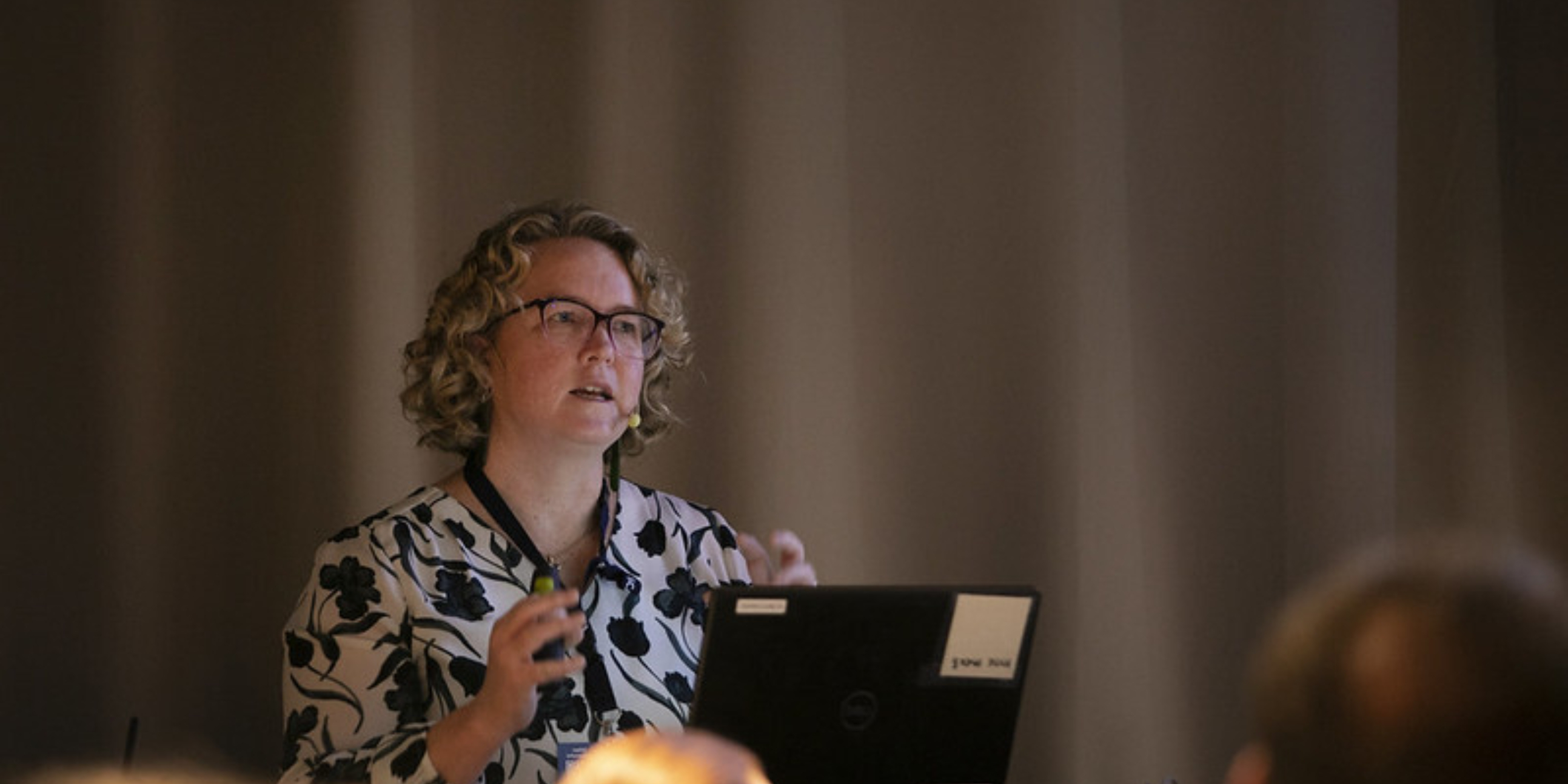
Natalie Robinson (Antarctic Science Platform) giving a talk. Credit Anne Elisabeth Næss / Norwegian Polar Institute.
Antarctica New Zealand Science Programme Advisor Daniel Milosavljevic attended SCAR primarily to support New Zealand's relationships with the United States and United Arab Emirates research partners.
"For me," he says, "SCAR OSC 2026 presented a rare opportunity to help strengthen connections across the international Antarctic research community.
"Before the conference, a NZ–US Joint Antarctic Research Programme workshop brought together research teams to develop ideas for Phase 3, with support from Antarctica New Zealand and NSF personnel. The level of engagement and effort from teams was encouraging. Thanks to all who were involved."
Daniel also met with New Zealand and United Arab Emirates research directors to support their relationship and help progress the development of our joint projects.
As well as the planned collaborations, Daniel says some of the biggest benefits come from the unexpected learnings.
“It was particularly interesting to learn about other bilateral and multilateral initiatives such as the Mexico–Ukraine programme. These present useful opportunities for me to learn about challenges and opportunities.”
These large, international conferences give an insight into just how diverse the Antarctic research community is.
“Across the conference,” Daniel says, “I connected with researchers from New Zealand, the US, Australia, Ukraine, the UK, Brazil, Germany and Mexico, and feel like I’ve only dipped my toe into the full diversity of Antarctic research. I’m grateful to Antarctica New Zealand for the opportunity to attend and I’m looking forward to building on the relationships and insights gained.”
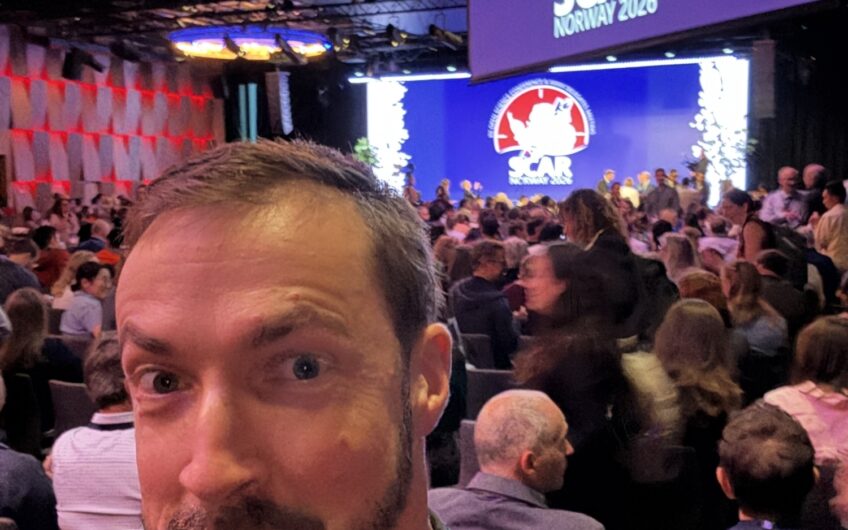
Mandatory selfie of Daniel Milosavljevic.
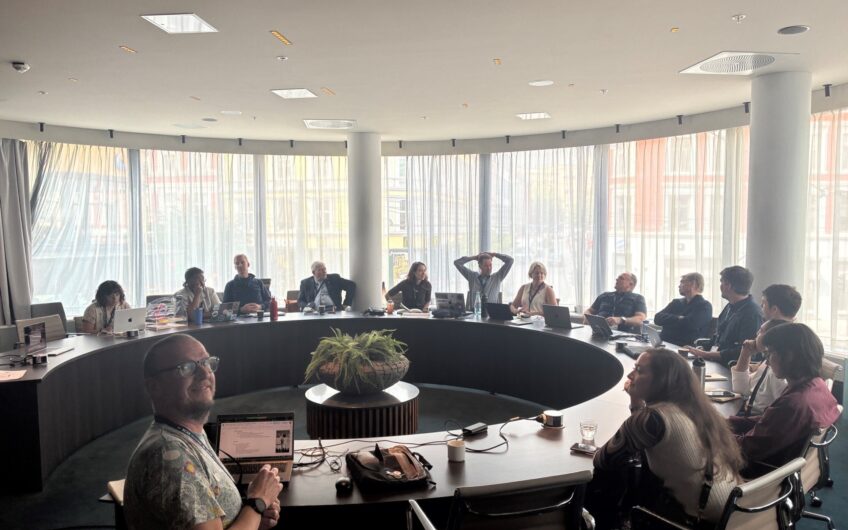
Conference workshop. Credit Daniel Milosavljevic.
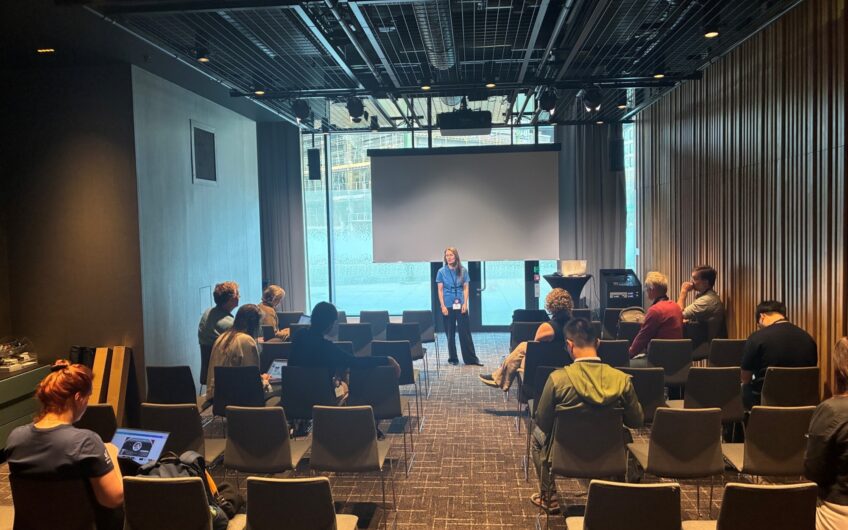
Inga Smith (University of Otago) leading her workshop. Credit Daniel Milosavljevic.
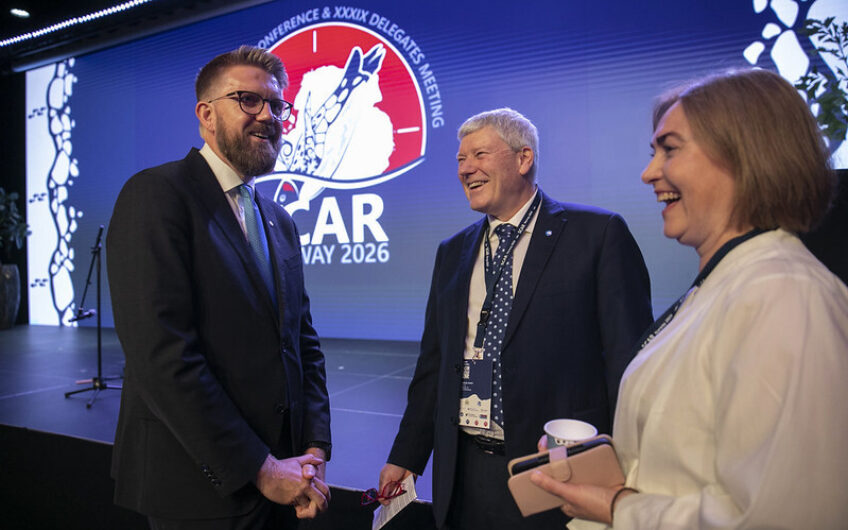
Gary Wilson (University of Waikato) speaking with colleagues. Credit Anne Elisabeth Næss / Norwegian Polar Institute.
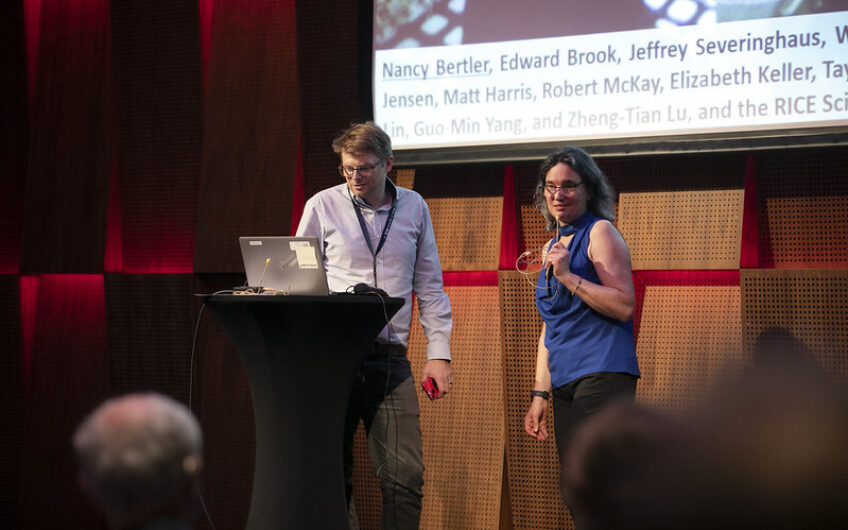
Nancy Bertler (Te Herenga Waka - Victoria University of Wellington) giving a presentation. Credit Anne Elisabeth Næss / Norwegian Polar Institute.
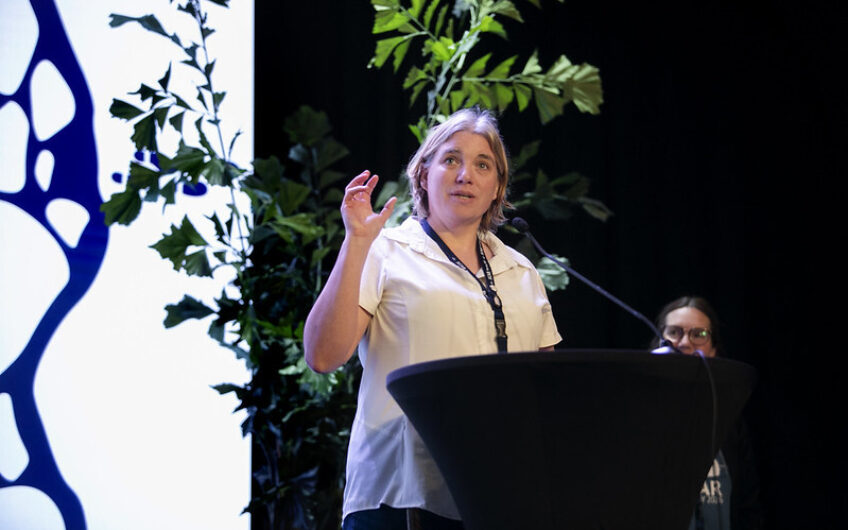
Shelley MacDonell (University of Canterbury) giving a presentation. Credit Anne Elisabeth Næss / Norwegian Polar Institute.
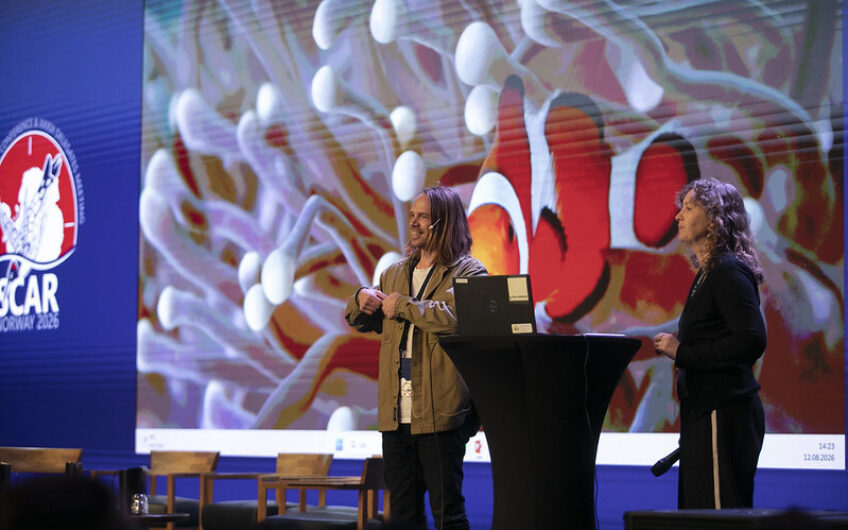
Leigh Tait (University of Canterbury) giving a presentation. Credit Anne Elisabeth Næss / Norwegian Polar Institute.
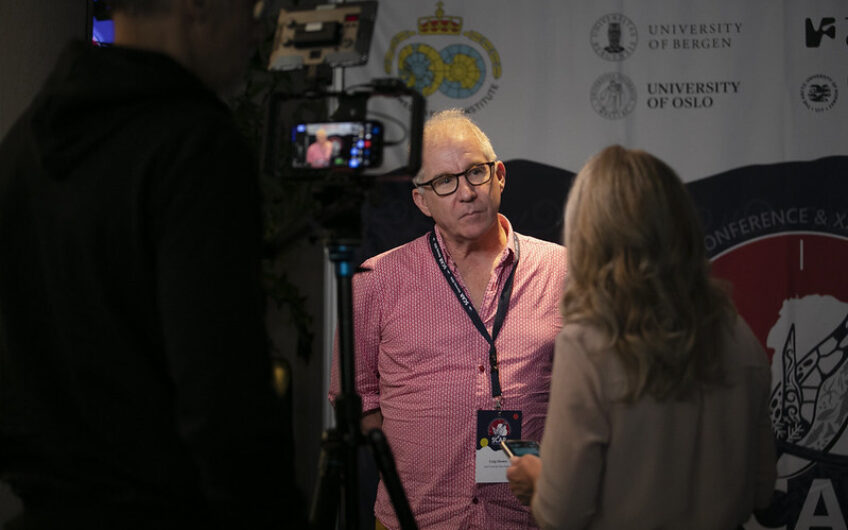
Craig Stevens (Earth Sciences New Zealand) giving an interview. Credit Anne Elisabeth Næss / Norwegian Polar Institute.
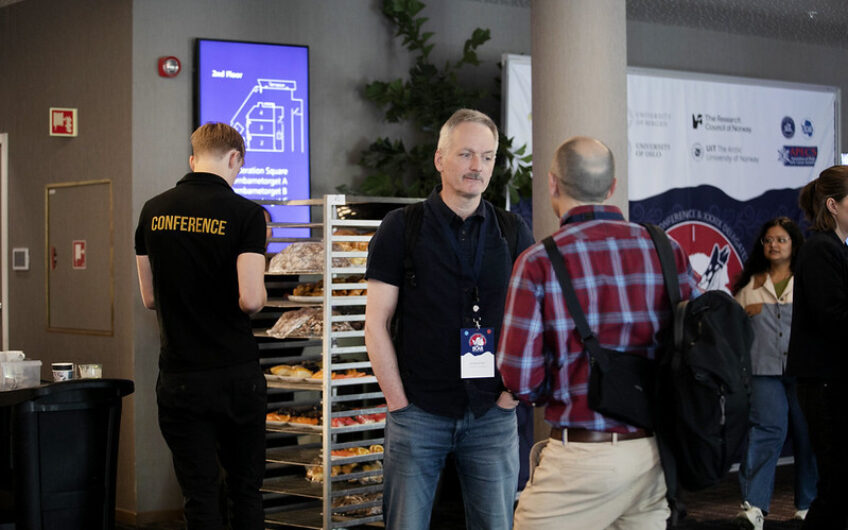
Wolfgang Rack (University of Canterbury) during a break in talks. Credit Anne Elisabeth Næss / Norwegian Polar Institute.
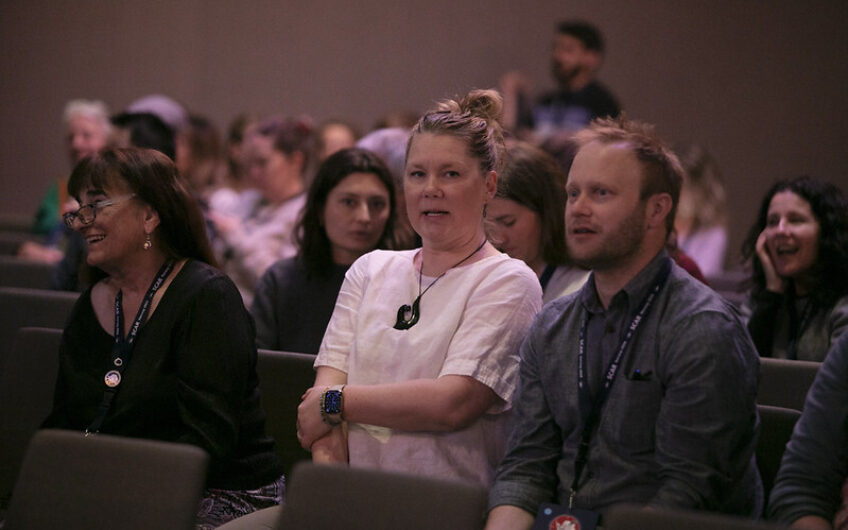
Michelle LaRue (University of Canterbury) waiting for the next talk. Credit Anne Elisabeth Næss / Norwegian Polar Institute.
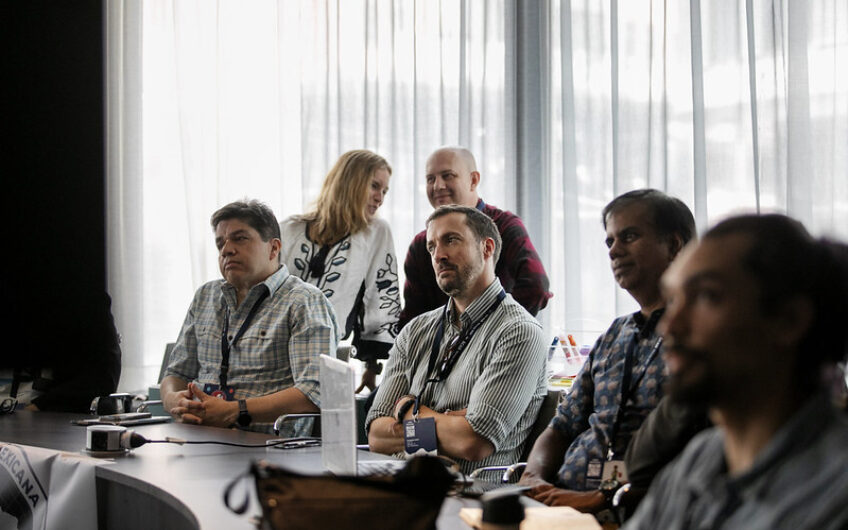
Daniel Milosavljevic (middle) being enthralled in a workshop. Credit Anne Elisabeth Næss / Norwegian Polar Institute.