
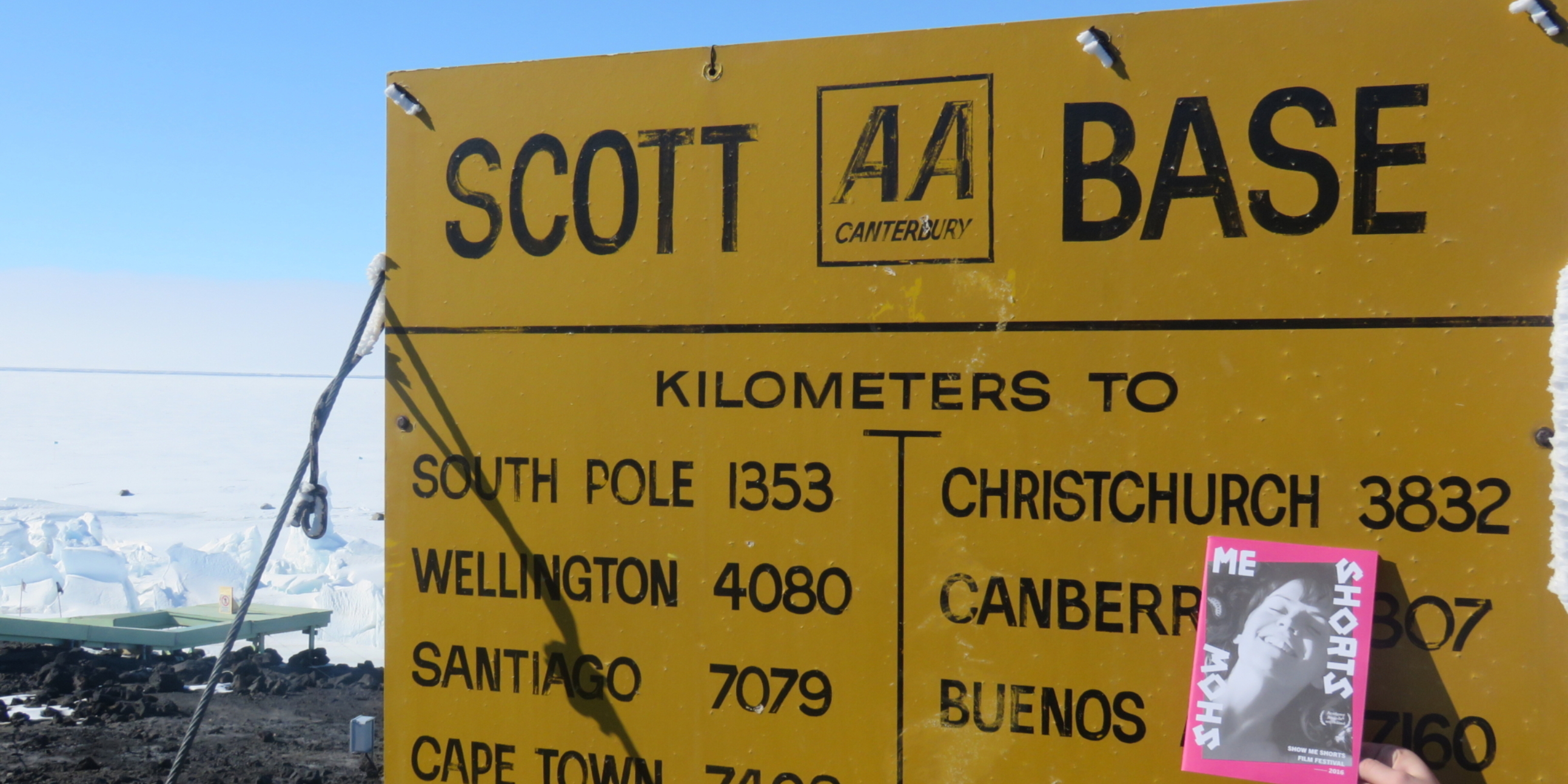
So, what exactly is a 'signpost' in science?
Users of Antarctic Science Platform findings need more than projections of what Antarctica may look like in a warming world.
As threats from a changing climate become more obvious and urgent, our impact partners are looking for warnings of imminent major changes in ice-ocean-atmosphere-ecosystem interactions, which will enable mitigation and adaptation responses to be enacted.
Because of this, the second phase of the ASP is structured heavily around what we call ‘signposts’. These are intended to act in a similar way to ‘Trigger Action Response’ plans used in industries such as mining and construction, where a set response is triggered when a threshold is reached.
For our purposes, a "signpost" refers specifically to a critical, observable indicator in Antarctic or Southern Ocean environments that signals when environmental or ecological thresholds are being approached, and beyond which there is an increasing risk of catastrophic change.
It’s our researchers’ job to figure out what good signposts are in their field, then monitor if, and how fast, we’re approaching them.
The signposts therefore help to focus research and monitoring efforts on the most meaningful and policy-relevant indicators of change. If decision-makers are given the right information, they should be able to act in a timely manner.
By identifying and tracking these signposts, the ASP strives to provide actionable information to policymakers, researchers, and stakeholders, supporting climate change adaptation and mitigation strategies both in New Zealand and internationally.