The freedom to be curious: Meet Tiaki Whenua co-lead Olivia Truax
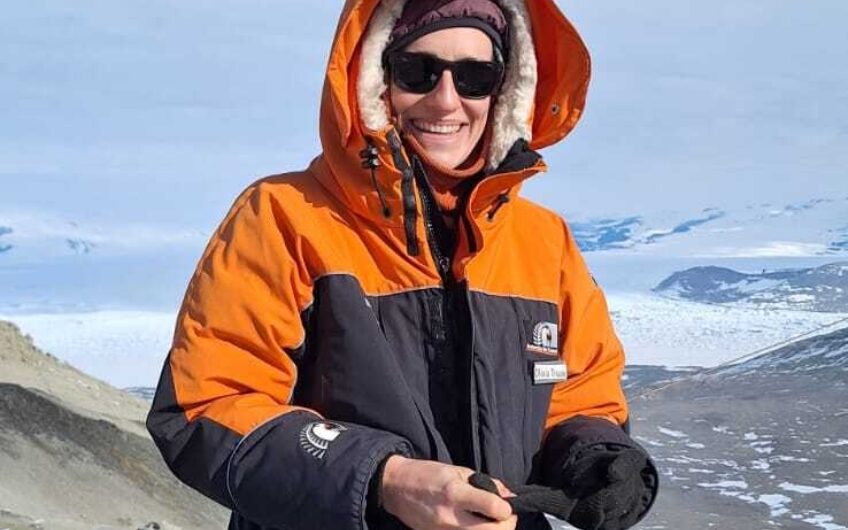
A thesis on race law in the United States, a Fulbright scholarship, multiple offers after her PhD, and an academic position as an ECR. Dr Olivia Truax is, to be frank, fairly impressive. But it’s not just her CV that stands out; the way she thinks about research is a unique combination of being curious about blue-sky concepts and rooted in real-world impacts.
Olivia is in her third year as a Lecturer in Environmental Science at the University of Canterbury, and she’s still revelling in the freedom to follow her curiosity.
Recently she’s been tracking down data to find out if the combination of older aircraft and climate change are causing increasing flight delays to/from Antarctica. If so, it could be costing Antarctica New Zealand and research organisations money.
She comes across as a natural researcher, but Olivia has felt a pull between policy and science for most of her career.
“I was actually a geology and political philosophy major in undergrad, back in Massachusetts,” she says, “I wrote my senior thesis on Brown vs Board of Education and the history of race law in the States."
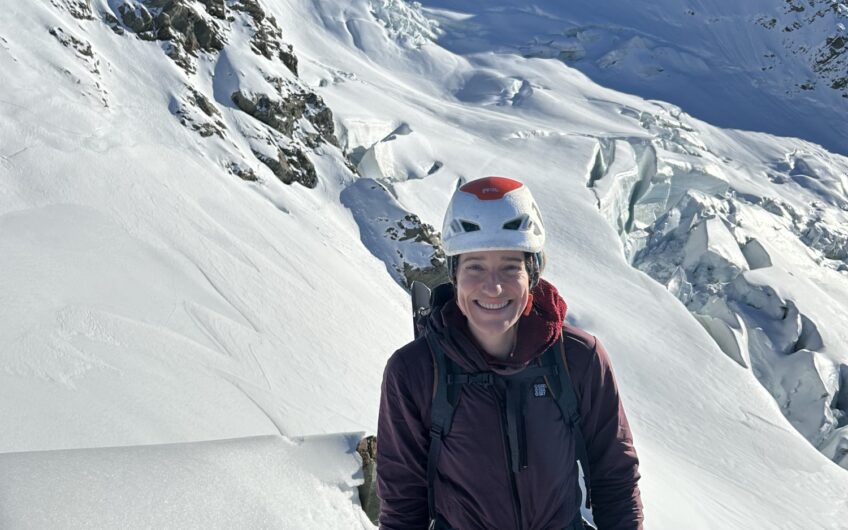
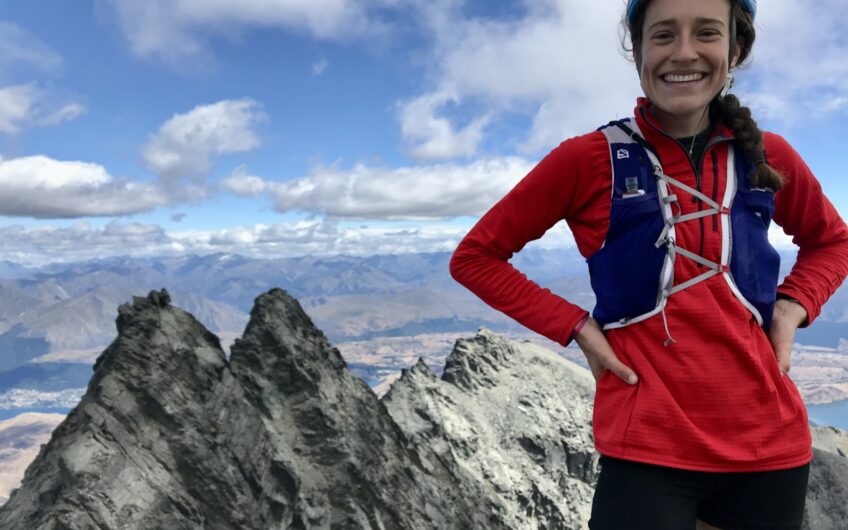
Thankfully for us, a semester abroad in Aotearoa New Zealand brought her interest in geology to the fore and sparked a love affair with our ski fields, mountains and glaciers.
After her US graduation, a Fulbright Scholarship helped her sign on for a Master’s in NZ under Christina Riesselman (University of Otago), Gary Wilson (University of Waikato) and Craig Stevens (ESNZ). Even then, she was planning to graduate and return to the States to become an environmental lawyer.
“But I really liked my Master’s,” she says, “I got really interested in Antarctica and I realised I wasn’t detail-oriented in the right way to be a lawyer!”
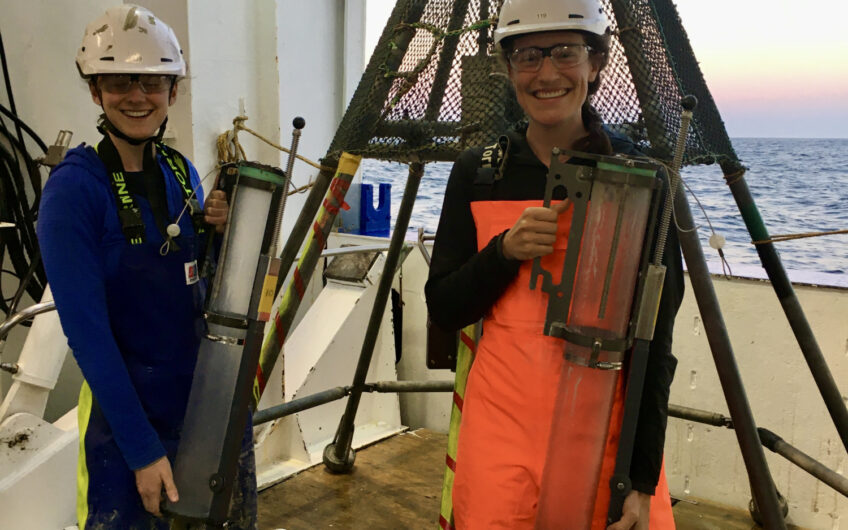
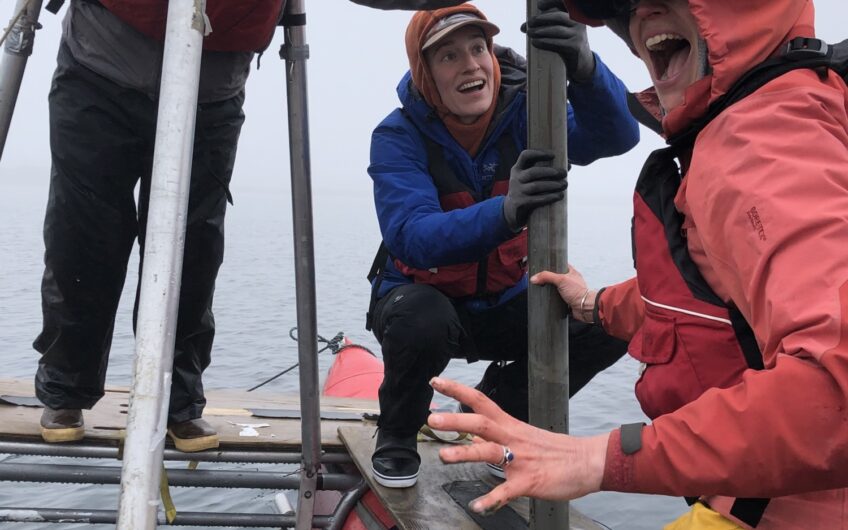
Olivia carried on to do a PhD with the same team, reconstructing how the Ross Sea changed after the last ice age. During this time, she received an Antarctica New Zealand Sir Robin Irvine Doctoral Scholarship. Once finished, she was offered a job with the Ministry of Environment at the same time as the University of Washington in Seattle said they had a Postdoc for her – studying ice sheets in Greenland.
Research won her over and she went home to investigate how the Greenland Ice Sheet has changed over time. They only had her for a year though, before a full-time position at the University of Canterbury lured her back down under.
The next phase
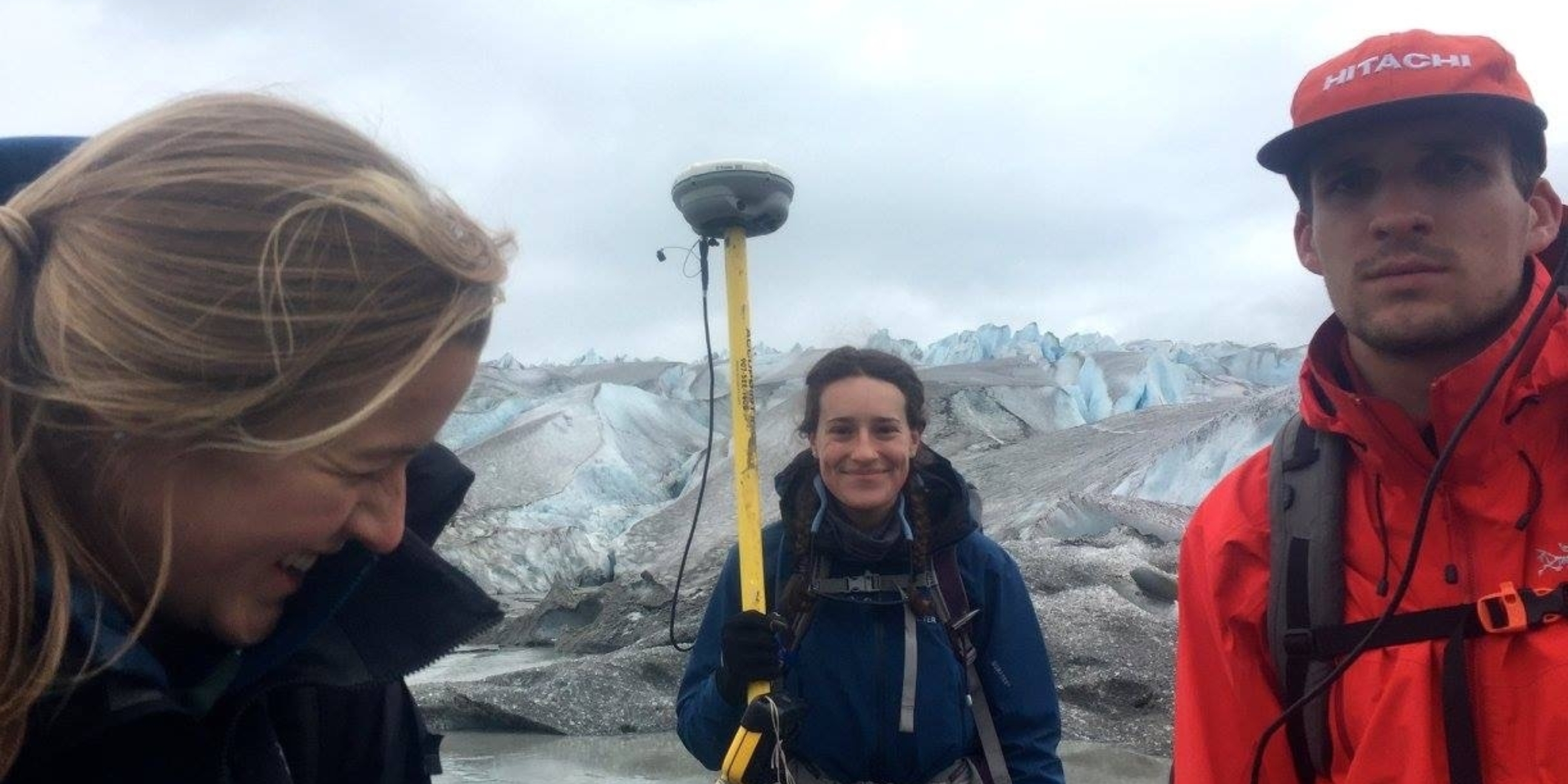
While her research to date has specialised in reconstructing the history of the Antarctic and Greenland ice sheets and feedbacks between ice sheets and climate, Olivia continues to be aware of the potential impact her work could have on the world.
“I don’t really want to sit in the ‘ivory tower’ while the world burns,” she says, “so one of the things I’m excited about, in the context of co-leading Tiaki Whenua, is that we have this mandate to do work that’s relevant to New Zealand."
With her new-found professional freedom, Olivia is looking forward to developing her research specialty in response to what feels the most urgent.
‘Antarctic story lines' are coming up soon, which are scientifically robust ways to communicate uncertainty to the public and policymakers that will hopefully be more useful than reporting huge uncertainty margins.
Wherever the research road might take her, Olivia seems happy she didn’t end up going to law school.
“I love that it’s my job to investigate things I think are interesting,” she says, “I feel so lucky to do that.”